Maha Unleashes On White House After Trump Backs Pesticide
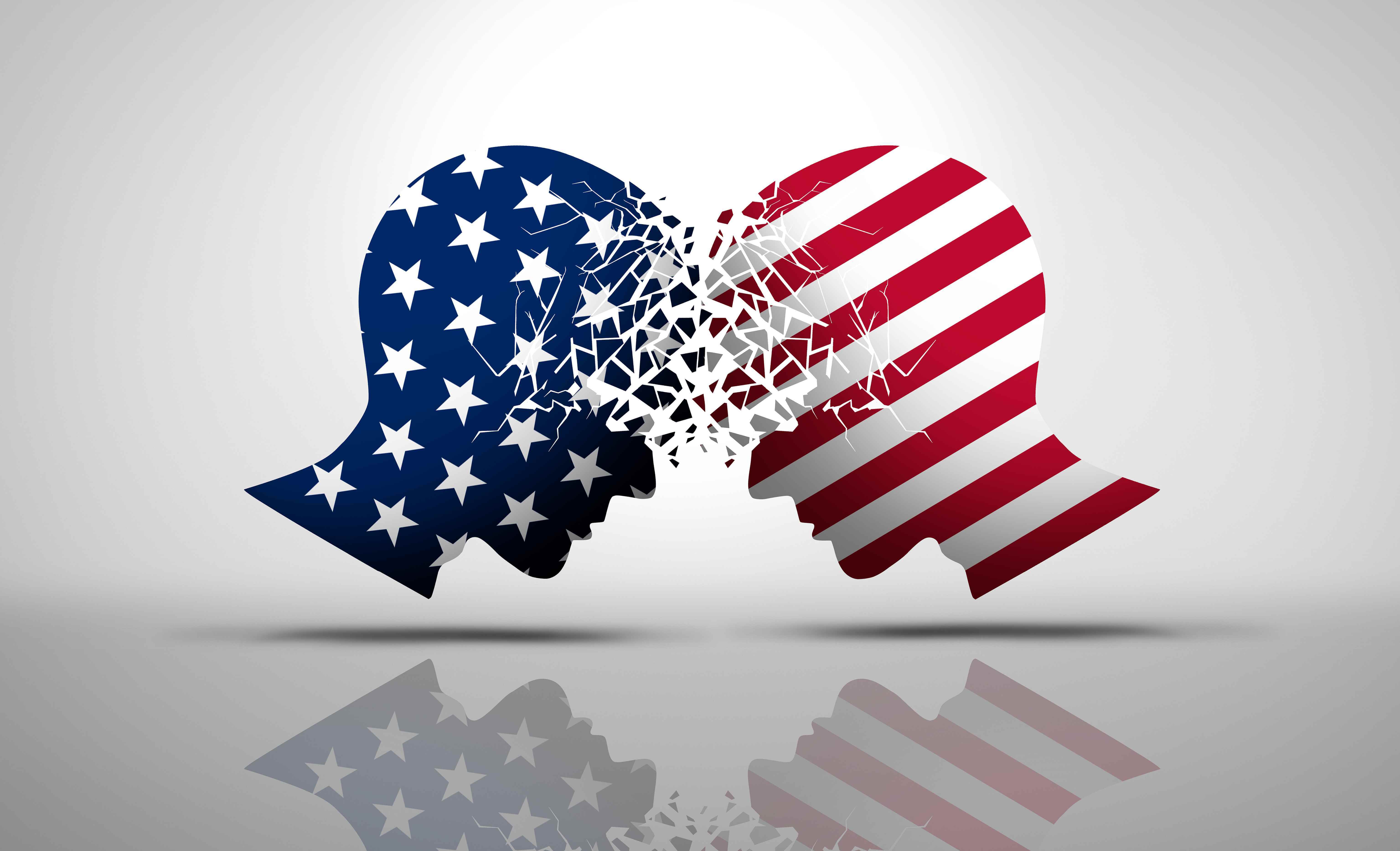
President Donald Trump's Wednesday night executive order promoting production of a widely used herbicide is threatening to blow up a coalition that played a key role in his 2024 election victory.
Make America Healthy Again activists brought into the Republican fold by Health Secretary Robert F. Kennedy Jr. are furious over Trump's move to ensure adequate supplies of the herbicide glyphosate, a prime target of their efforts to crack down on toxic chemicals that they argue are killing Americans.
“I’m witnessing the bottom falling out on MAHA,” MAHA influencer Kelly Ryerson, who goes by the moniker “Glyphosate Girl” online, said of watching the reaction on X. “People came along on MAHA because of pesticides and foods. It wasn’t because of vaccines.”
The controversy encapsulates the president’s tightrope walk as he struggles to maintain grassroots support while he courts traditional Republican farm and business allies.
Just last month, the White House, GOP lawmakers and Republican strategists coalesced around a midterm election strategy that centered on popular food policies of the MAHA agenda to help hold onto tight majorities in Congress. Now Trump appears to be doubling down on his position to protect pesticide use.
His administration already sided with the maker of the glyphosate-based Roundup in the company’s Supreme Court case and Republican lawmakers are pushing for legislation to make it more difficult to sue pesticide manufacturers. Wednesday’s executive order put a heavy focus on glyphosate’s role in keeping food affordable and farmers afloat, both potential weak points for the president in the midterms.
Some Democrats have already seized on the issue, using it to question the Trump administration’s dedication to food and health.
“Trump’s executive order is nothing more than an attempt to protect one of the biggest producers of a toxic pesticide from legal liabilities,” said Sen. Cory Booker (D-N.J.) in a statement. “The message from this Administration is clear: chemical company profits are more important than your health.”
Responding to the backlash from MAHA advocates, the White House sought to frame the order as “not an endorsement of glyphosate,” but a recognition of the “reality” that increasing domestic production of phosphorus, a key ingredient in glyphosate that’s also used in weapons and semiconductor production, is necessary for national security as well as crop production.
More necessary, in this case, than MAHA priorities, a White House official said.
“There's plenty to be done on the MAHA front, but we also can't compromise our security, or our general food supply, either. It's not very MAHA for there to be mass famines because we don't grow enough food to feed our population,” said the official, who was granted anonymity to describe the White House’s thinking.
“I mean, are people happy about it? No, but there's a logic here that's pretty undeniable,” the official said.
Food safety and environmental groups such as the Center for Biological Diversity and the Center for Food Safety pushed back against the notion of a national security threat, noting that there’s no imminent, new risk to glyphosate supply.
The official maintained that MAHA would remain a priority for the midterms and pointed to a $700 million pilot program through USDA for regenerative farming, which doesn’t rely on chemical inputs.
The executive order also comes at a moment of crisis for Bayer, the parent company of Monsanto, which makes the glyphosate-based weedkiller Roundup. On Tuesday, the company announced a proposed $7.25 billion settlement of thousands of lawsuits alleging its product causes cancer. And in December, a key study that regulators leaned on to demonstrate glyphosate’s safety was retracted.
“President Trump’s Executive Order reinforces the critical need for U.S. farmers to have access to essential, domestically produced crop protection tools such as glyphosate,” Bayer spokesperson Brian Leake said in a statement attributed to Monsanto. “We will comply with this order to produce glyphosate and elemental phosphorus.”
Zen Honeycutt, executive director of the grassroots group Moms Across America, said the electoral consequences will be real.
“To put toxic farming and businesses before the health and safety of our children is a betrayal of every voter who voted for him to [Make America Healthy Again],” she said in a statement to POLITICO. “The repercussions are not going to just affect the midterms, but the health of millions of Americans for generations to come.”
While pesticides have historically elicited opposition from environmentally conscious Democrats, the MAHA movement’s focus on the issue has made it bipartisan. Wednesday’s executive order prompted some GOP candidates running on the MAHA agenda to try to distance themselves from the president’s position.
“There is no pending ban or shortage of glyphosate. There is only pending lawsuits for a foreign company that is causing harm to Americans. And now they have immunity — this must be reversed,” wrote Zach Lahn on X. Lahn is a Republican candidate for Iowa governor.
Alex Zdan, a New Jersey Republican running to oppose Booker, said it is possible to achieve both the president’s goal of national security and Kennedy’s goal of safe farming practices.
“These two tracks can be ongoing at the same time. They complement each other — not conflict. MAHA is not a light switch that can be turned on or off, it's a long-term commitment to promoting freedom and responsibility," Zdan told POLITICO in a statement.
The issue is especially complicated for Kennedy, who has called glyphosate “one of the likely culprits” behind high rates of chronic disease in the U.S. and, as an attorney, helped win a major lawsuit against Monsanto contending that Roundup causes cancer.
As health secretary, Kennedy lacks the authority to limit pesticide exposure, which is the purview of the Environmental Protection Agency. He has also run up against the economic realities of farmers' reliance on glyphosate. On a recent podcast with comedian Theo Vonn, Kennedy said HHS’s mission was to find alternatives to "transition off of [glyphosate] without putting farmers out of business."
MAHA advocates have hammered EPA Administrator Lee Zeldin over what they see as his status quo approach to pesticide regulations, even launching a petition calling for his removal. But it’s not just Zeldin; despite pressure from advocates to target glyphosate, the White House’s splashy MAHA cross-agency strategy released last year, led by Kennedy, ultimately left the industry alone.
Asked if the executive order reflects a change of heart from the Health secretary, a spokesperson provided a statement from Kennedy backing the president.
“Donald Trump’s Executive Order puts America first where it matters most — our defense readiness and our food supply,” Kennedy said in a statement. “We must safeguard America’s national security first, because all of our priorities depend on it. When hostile actors control critical inputs, they weaken our security. By expanding domestic production, we close that gap and protect American families.”
Amanda Chu contributed to this report.
Popular Products
-
 Fake Pregnancy Test
$61.56$30.78 -
 Anti-Slip Safety Handle for Elderly S...
$57.56$28.78 -
 Toe Corrector Orthotics
$41.56$20.78 -
 Waterproof Trauma Medical First Aid Kit
$169.56$84.78 -
 Rescue Zip Stitch Kit
$109.56$54.78