Brampton's Chargers Give Way To Roshel's Mraps
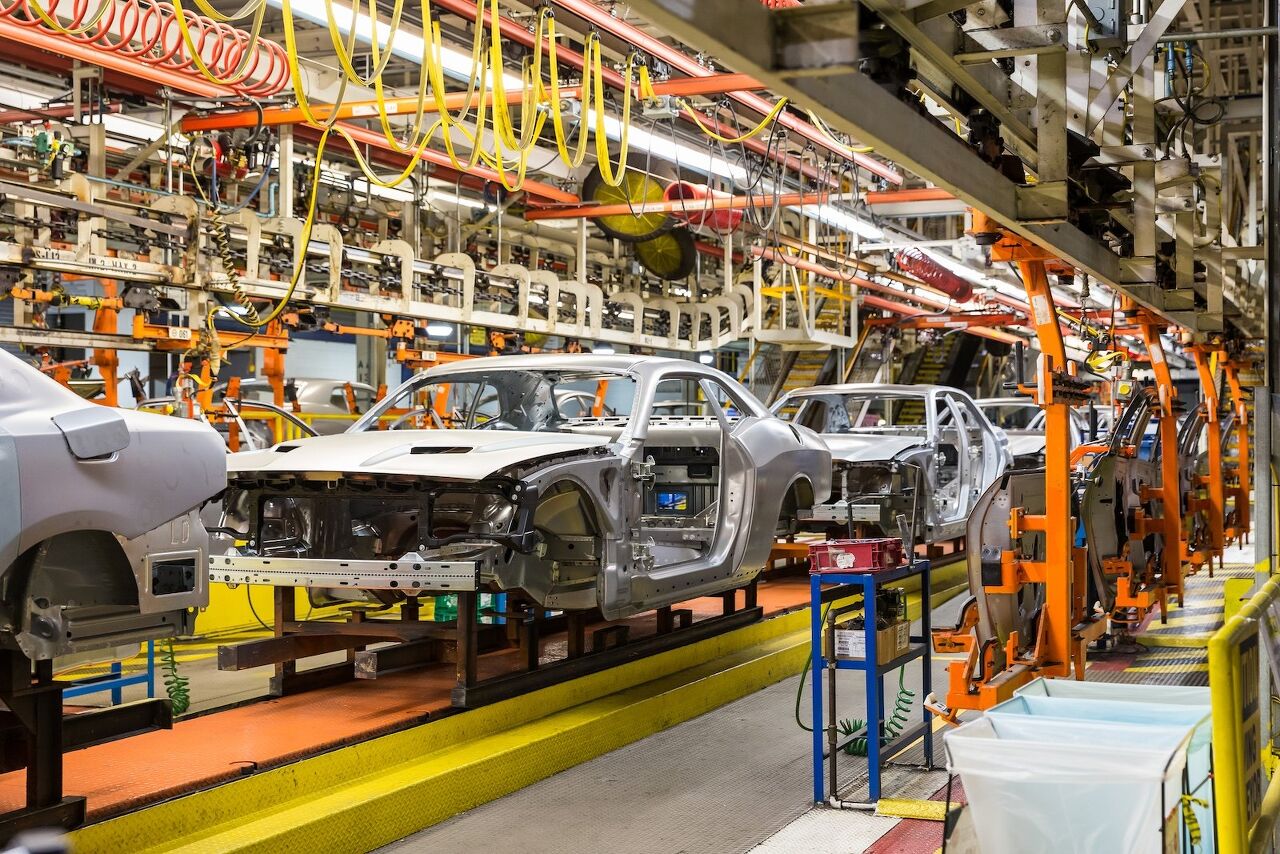
The Brampton, Ontario plant that once churned out Hemi-powered Chargers, Challengers, and 300Cs on the aging LX platform has a new owner, and the new product line trades burnouts for armor plating. Stellantis has sold the facility to Canadian defense firm Roshel, which builds mine-resistant ambush-protected vehicles and armored personnel carriers.
The long-running Canadian plant built the last of Dodge's muscle sedans and coupes before the line went dark. Stellantis had been vague about the plant's fate, with the persistent rumor being that Roshel would buy it. That's now what has happened.
The sale is wrapped up in the broader trade fight. Trump has shown little interest in whether the Canadian or Mexican auto industry survives, and a tentative deal to lower tariffs fell apart ahead of the midterm elections. Tariffs are also what pushed Stellantis to shift Jeep production out of Brampton and into the United States, a move that enraged Canadian lawmakers and unions.
Canada's Unifor, the union representing Canadian automakers, is furious. President Lana Payne framed the sale as a betrayal and a policy failure.
"Stellantis has betrayed our members with an underhanded deal to sell the plant and walk away from its commitments to our members," Payne said in a statement. "Allowing the sale to move forward is a critical failure of the national auto strategy and breaks the federal government's promise to protect autoworkers in the U.S. trade war."
Unifor's position, according to Payne, is that the sale violates its collective agreement and breaches a commitment to the Canadian government. The union also worries there won't be enough MRAP and APC buyers to keep people employed, and it points to thousands of further job losses stemming from supplier plant closures.
Roshel does build its vehicles for border patrol operations as well as the military, so Canada could, in theory, buy a fleet to watch its own border. Whether that demand materializes at the scale needed to fill a former car plant is another question entirely.
[Images: Stellantis, Unifor]
Become a TTAC insider. Get the latest news, features, TTAC takes, and everything else that gets to the truth about cars first by subscribing to our newsletter.