Gm Ditches Nyse After 115 Years For The Nasdaq
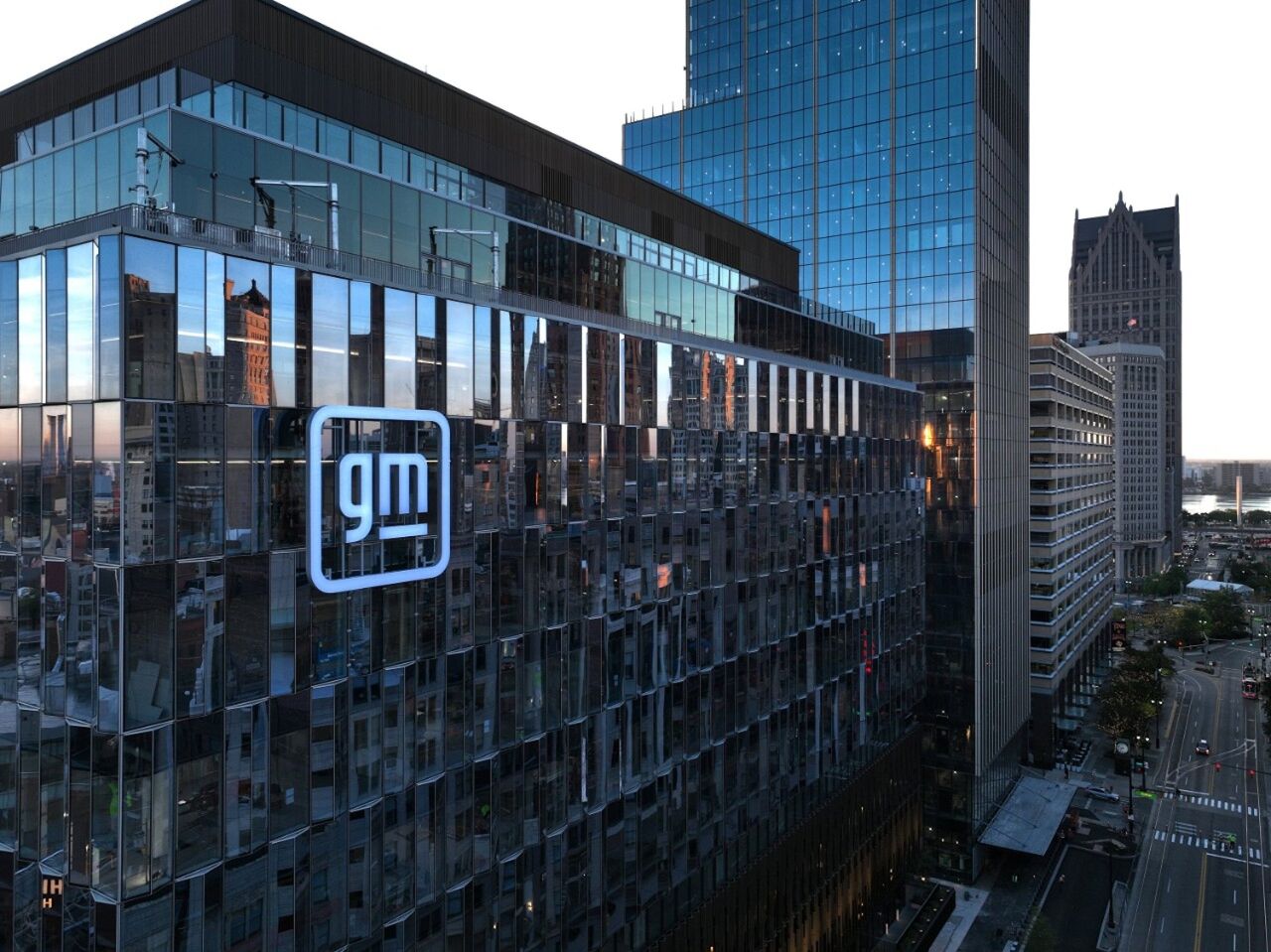
General Motors is cashing in its 115-year membership at the New York Stock Exchange on Friday. Starting Monday, Nov. 16, the automaker moves its listing to the NASDAQ, trading the exchange it joined in 1911 for the all-electronic venue founded in 1971. And it's not just about trying to change public perception about the company.
The reason is less romantic than any "tech company" rebrand. "NASDAQ licensing fees are quite a bit less," a GM spokesman says. GM also expects the switch to land its shares in the NASDAQ 100 Index, which the automaker calls the biggest index for mutual and traded funds. The logic: investors buy into those funds, and "those shares don't trade," the spokesman says, which props up demand for GM stock and dampens price swings. GM will continue to trade under the "GM" ticker symbol.
The business/financial press loves calling the NASDAQ "tech-heavy," and its 100 Index does carry the usual Silicon Valley roster: Alphabet, Amazon, Apple, Microsoft, Nvidia, Tesla, Meta, Intel, and others. But the index is hardly a pure tech club. Walmart, Costco, O'Reilly Automotive, Keurig Dr. Pepper, Honeywell, and Thomson Reuters all sit on it. Per the automaker, GM is hardly the only industrial-age name to jump off the NYSE.
Marketing executives at GM and Ford have spent at least two decades trying to recast carmakers as tech companies, a campaign that predates Tesla's rise as a volume player. Twenty years ago it was designers citing Apple's aesthetic for interiors. Now it's over-the-air subscription services and standalone energy units, GM Energy among them. Still, the spokesman is clear the exchange move isn't a reinvention. GM's autonomous work, he says, is focused on "personal autonomy for the highway," which the automaker plans to debut in 2028 on the Cadillac Escalade IQ.
No word from Ford if it plans to try to make a similar switch, and join Tesla, Rivian, Lucid, and several Chinese automakers already trading on the tech exchange. And yes, all of those are EV makers.
The timing lands alongside a costlier reckoning. GM just settled with 37 states and the District of Columbia over OnStar's Smart Driver program, which ran from 2016 to 2024. The combined tab comes to $239.75 million.
Per an Oct. 29 release from New York Attorney General Letitia James, GM "enrolled millions of drivers" in Smart Driver, tracking braking, acceleration, trip times, and speeding. The states' investigation found GM sold that data to brokers. James' release identifies them as LexisNexis Risk Solutions and Verisk Analytics, bound by contracts for insurance products.
James' release says GM's systems "failed to notify drivers," with the OnStar app telling over 370,000 drivers they weren't enrolled while GM collected and sold their data anyway. One customer's insurance premium jumped 22 percent off broker-supplied driving data, according to the release.
Per James' release, the 35-state coalition plus Washington, DC, reached a $220 million deal, with New York's more than 700,000 enrolled drivers accounting for $12.05 million of that. Iowa settled separately for $7 million, per Attorney General Brenna Bird, and California settled its class-action suit for $12.75 million on May 8, per Attorney General Rob Bonta.
GM ended Smart Driver in 2024 and says it has since built a consumer-facing Privacy Center, updated its US privacy statement, and tightened controls on connected vehicle data. By GM's account, it does not sell vehicle information tied to a given person, though it may release "de-identified data" for road safety and infrastructure uses.
[Images: General Motors]
Become a TTAC insider. Get the latest news, features, TTAC takes, and everything else that gets to the truth about cars first by subscribing to our newsletter.