Toyota Revives Scion, Previews American Kei Truck
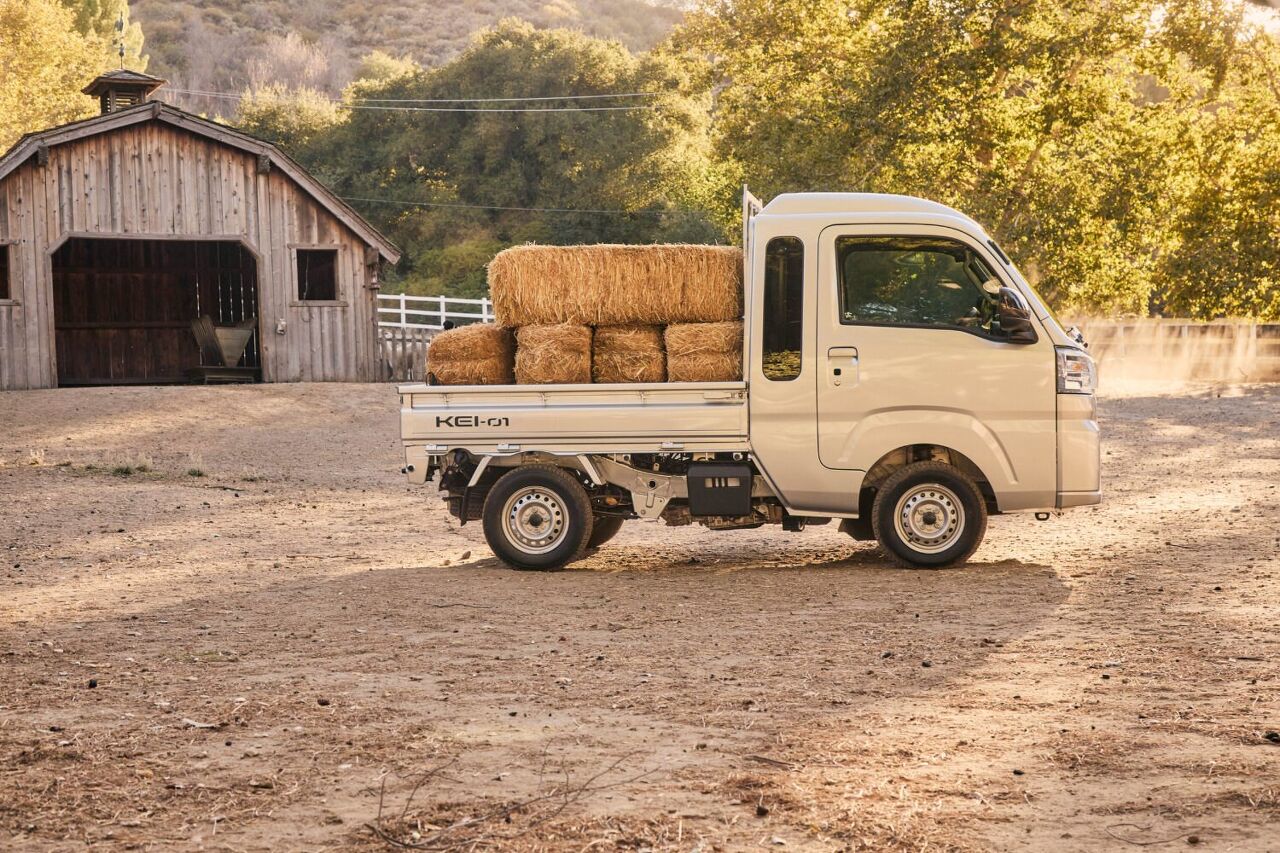
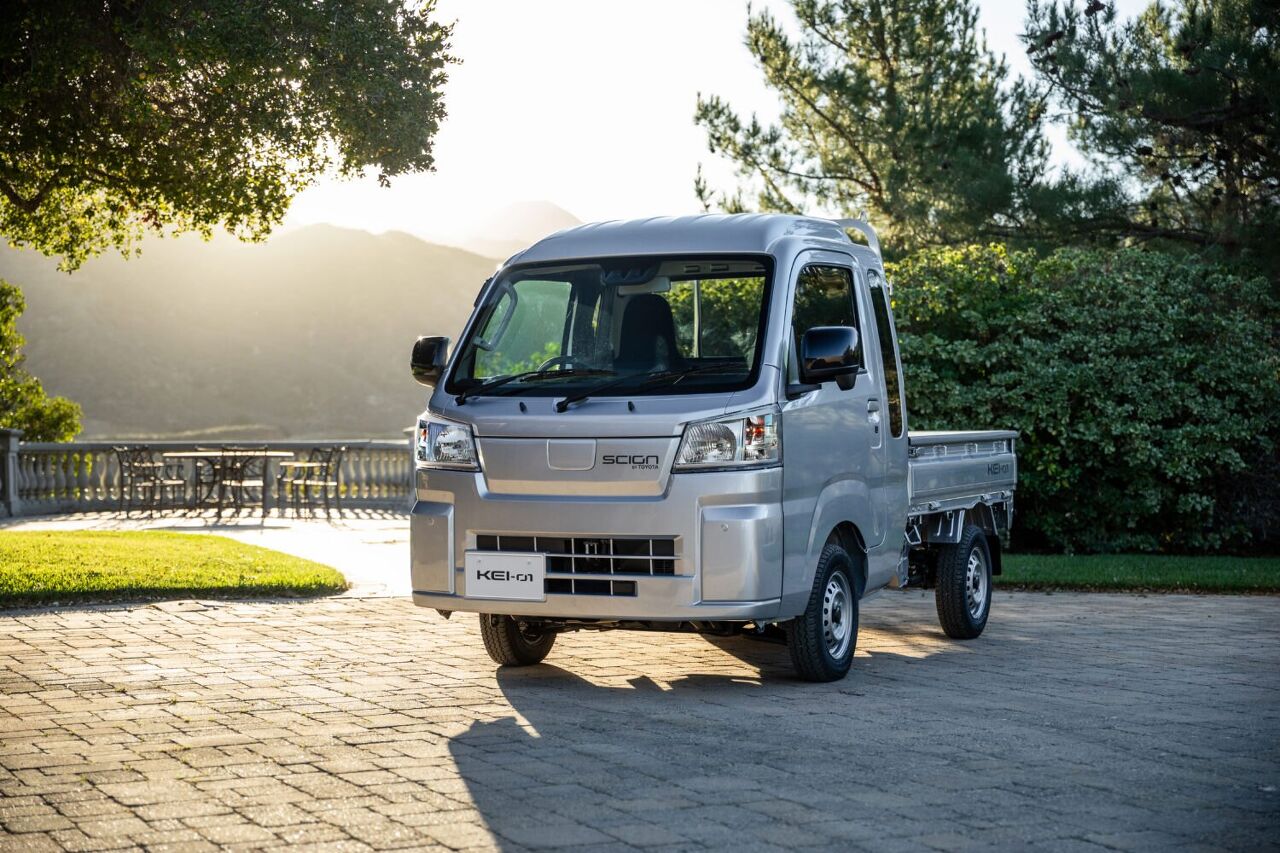
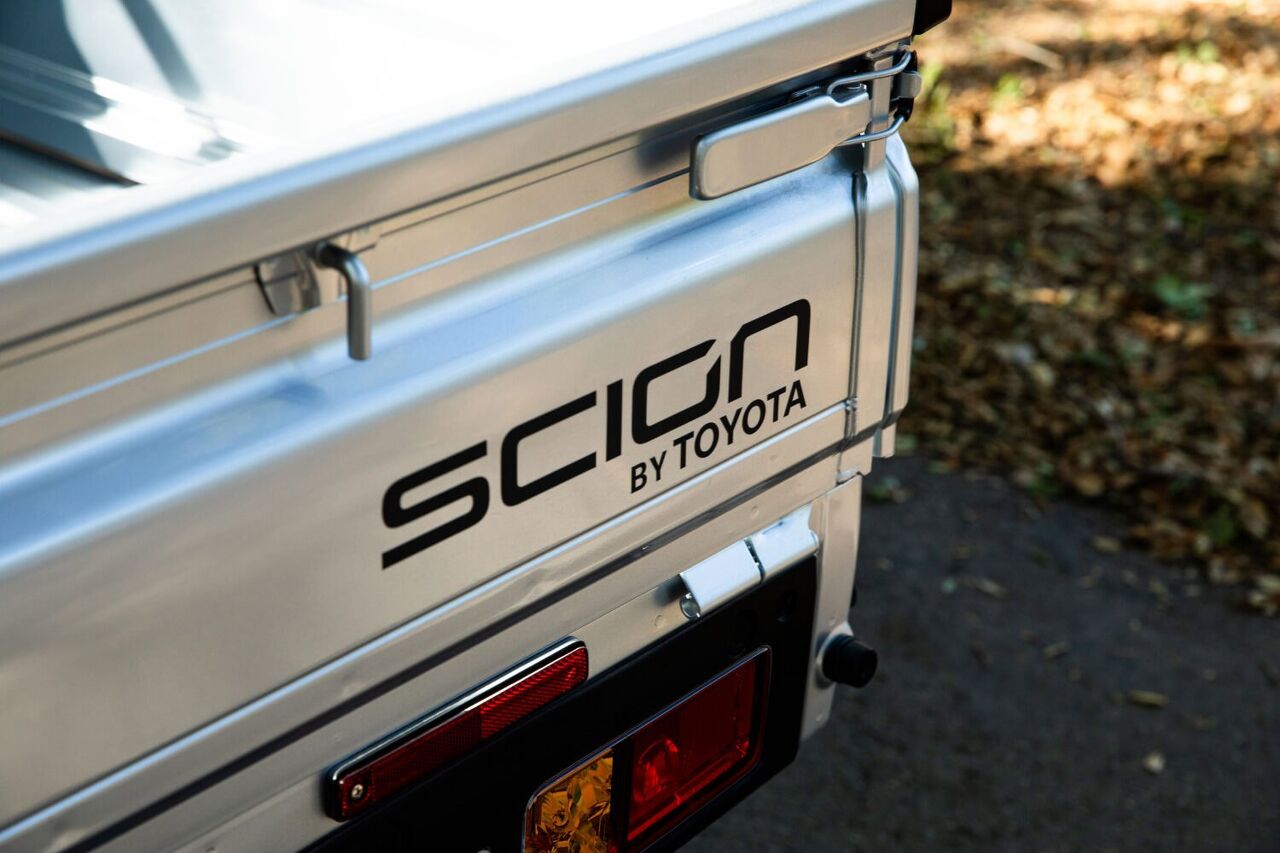
Toyota is relaunching the Scion brand as a test bed for some of its more unique ideas, including a new kei truck that it intends to build and sell in the United States. The model will be known as the Scion KEI-01 and built at Toyota Motor Manufacturing Indiana starting next year.
Officially, the returning company will be called “Scion by Toyota” and focus on exploring the boundaries of our changing market. Toyota Motor North America stated that the brand would serve to help the automaker “explore mobility in new ways,” which is not totally dissimilar to the original Scion mission.
The brand launched in the early 2000s as a way for Toyota to court younger buyers (Millennials at the time) living in the United States and Canada. Models were supposed to be small and affordable, with just enough attitude to be exciting. It was also one of the first marquees to try and avoid dealer haggling via its “pure price” concept.
MSRPs and trims were fixed, with customers having the option to upgrade exclusively via dealer installed options. Most of these were aesthetic. But there was aftermarket support for performance parts while import tuner culture was near its zenith.
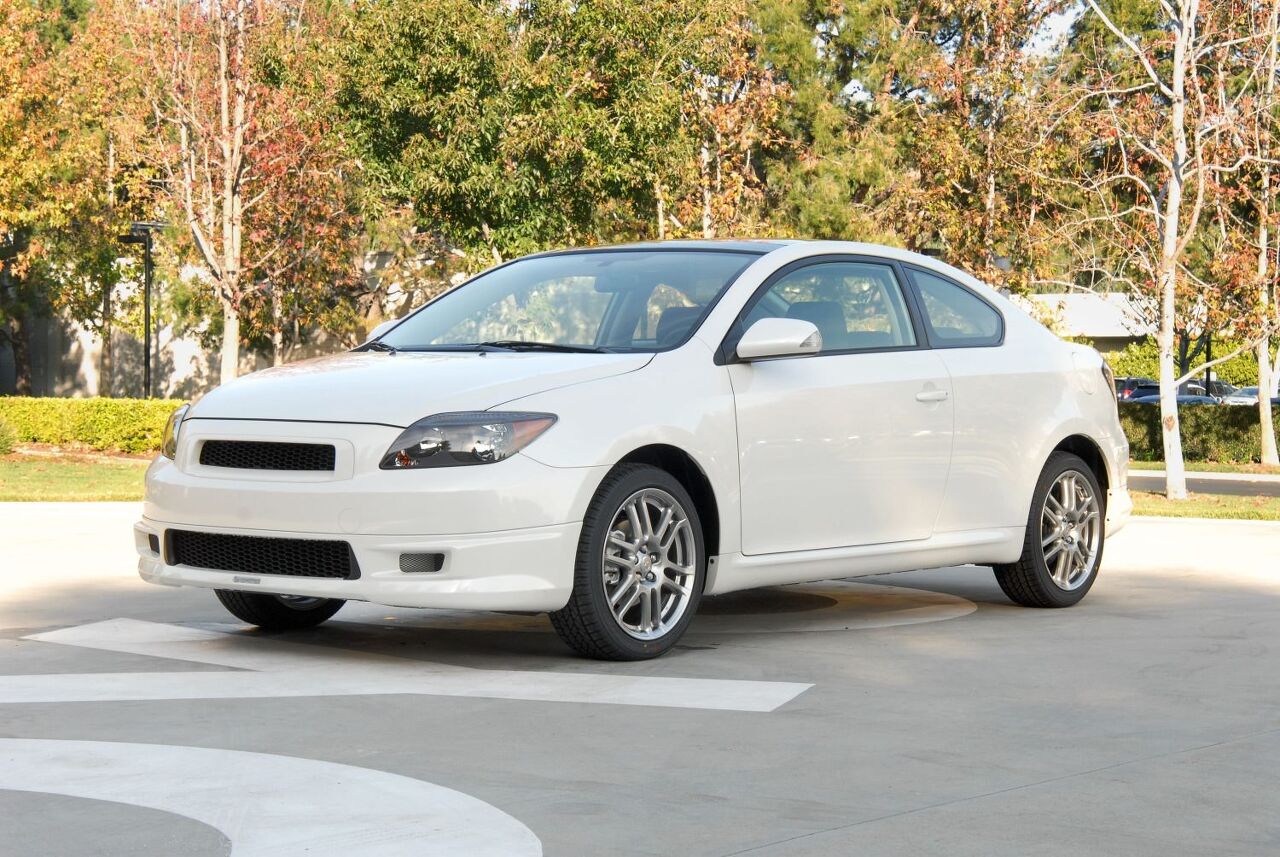
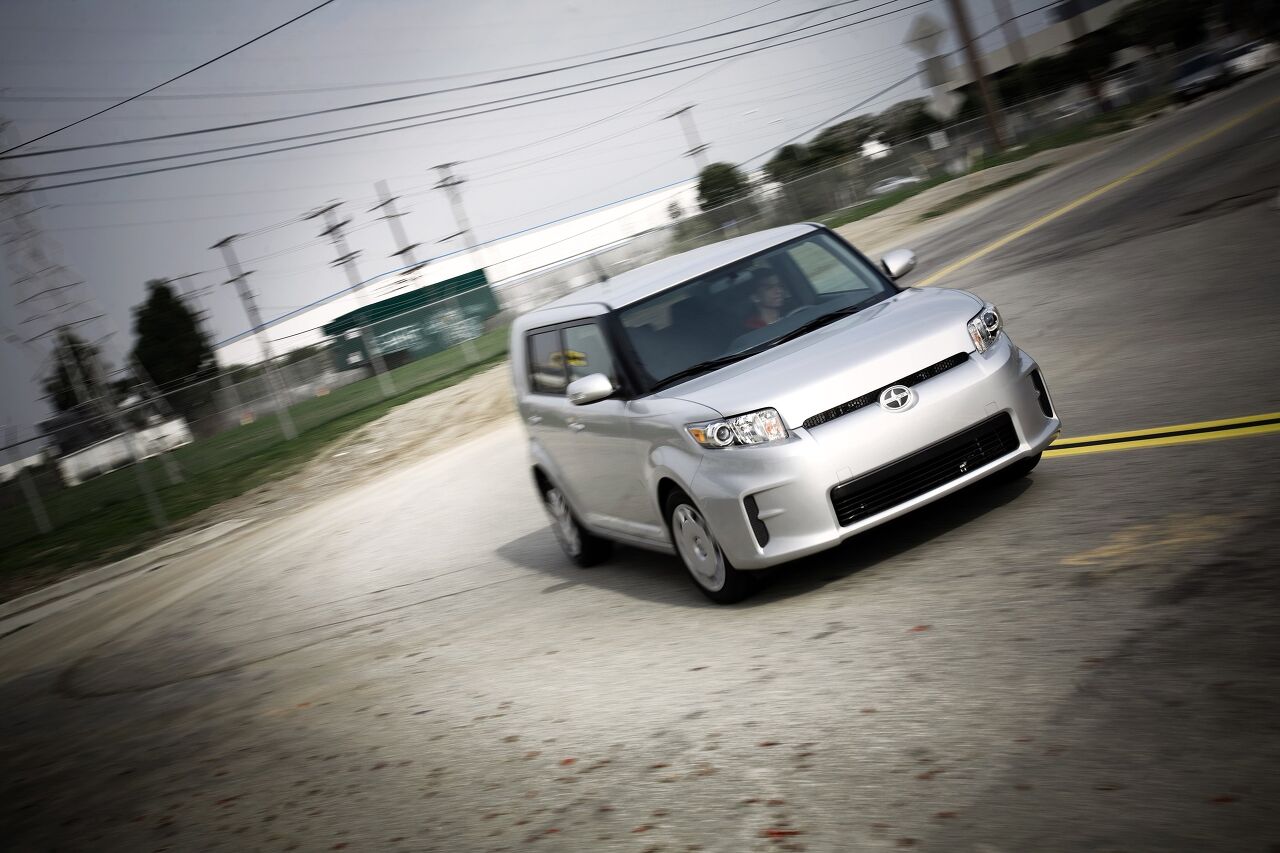
While models like the Scion tC (above) would prove to be the brand’s bestseller, the smaller xB and xA models represented the core concept. Initially, the brand was successful in bringing down the median age of Toyota’s customers.However, the hyper-practical economy cars (xB/xA and later xD) eventually proved to be nearly as popular with older bargain hunters as cash-strapped youngsters.
The 2008 financial crisis further hampered Scion’s success and it suffered the same fate as Geo and Saturn — which were conceptually similar nameplates. Scion basically stopped introducing updated vehicles with the FR-S (which would later evolve into the Toyota GT86 and Subaru BRZ) being its very last model. Toyota would abandon the brand in 2016.
But now it’s back and Toyota has led with dual events in Ypsilanti, Michigan, and Frisco, Texas, promoting the Scion KEI-01. The automaker stated that it plans on initially targeting fleet volumes, with the prospect of incorporating retail sales if the public response is strong enough.
Until then, the KEI-01 is aspiring to become a helping hand on farms/ranches or be used for lugging lighter loads for businesses. We could see it making an ideal ride for park services, campus police, industrial park employees, or warehouse/dock workers. But Toyota believes that it would also make an ideal steed for outdoor enthusiasts or anyone needing a small utility vehicle that can handle both city streets and muddy trails.
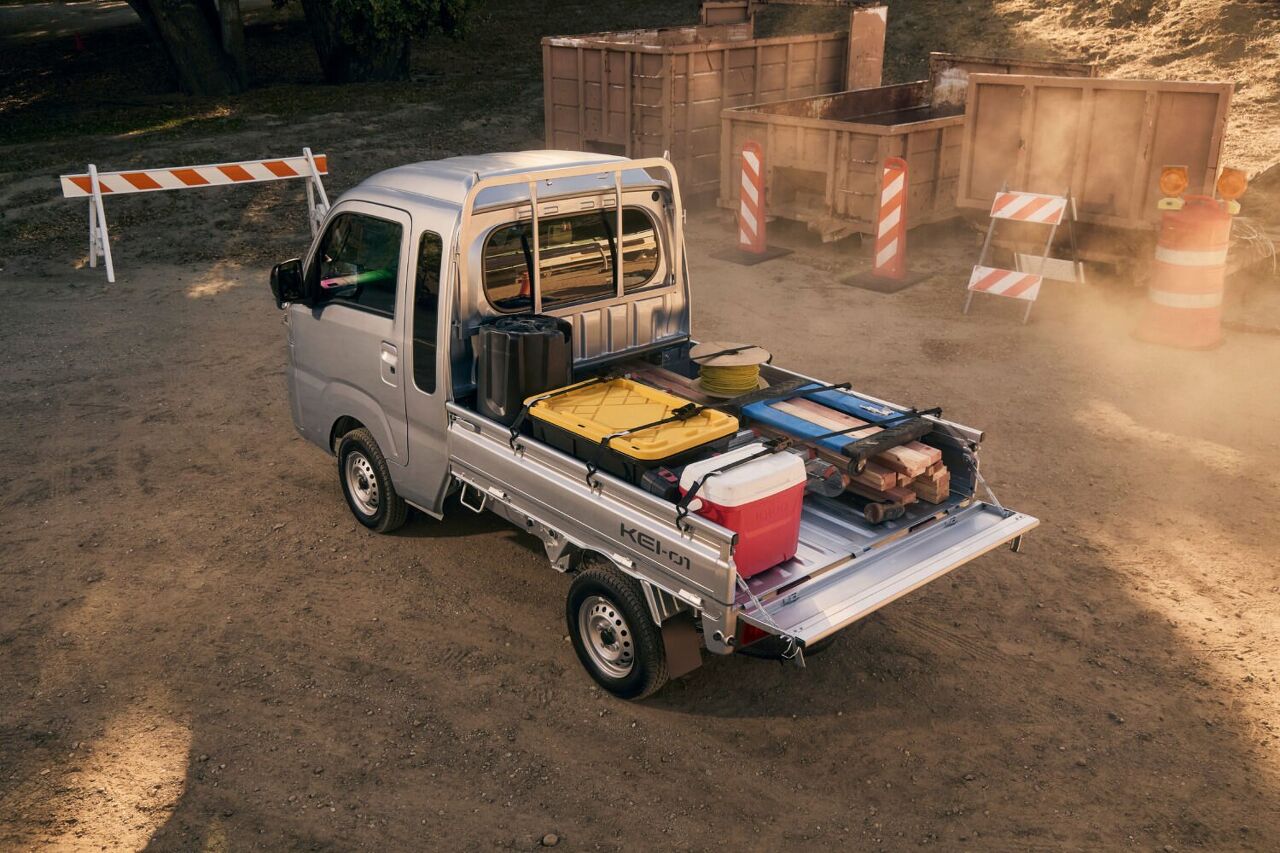
The model is effectively a rebadged Daihatsu Hijet Jumbo, making it a legitimate kei vehicle that adheres to the Japanese rules pertaining to the segment. That means a 600cc, three-cylinder motor which Toyota stated would be mated to a continuously variable transmission boasting four-wheel drive. While a five-speed is available on the Daihatsu in other parts of the world, it seems like that will not be the case with the KEI-01
As a kei vehicle, the model would theoretically be capped to boasting less than 63 horsepower on the Japanese market. Even though the Daihatsu Hijet Jumbo comes in a little below that, output is sufficient to get the tiny truck up to reasonable velocities. Some models are even capable of reaching highway speeds with lightly loaded.
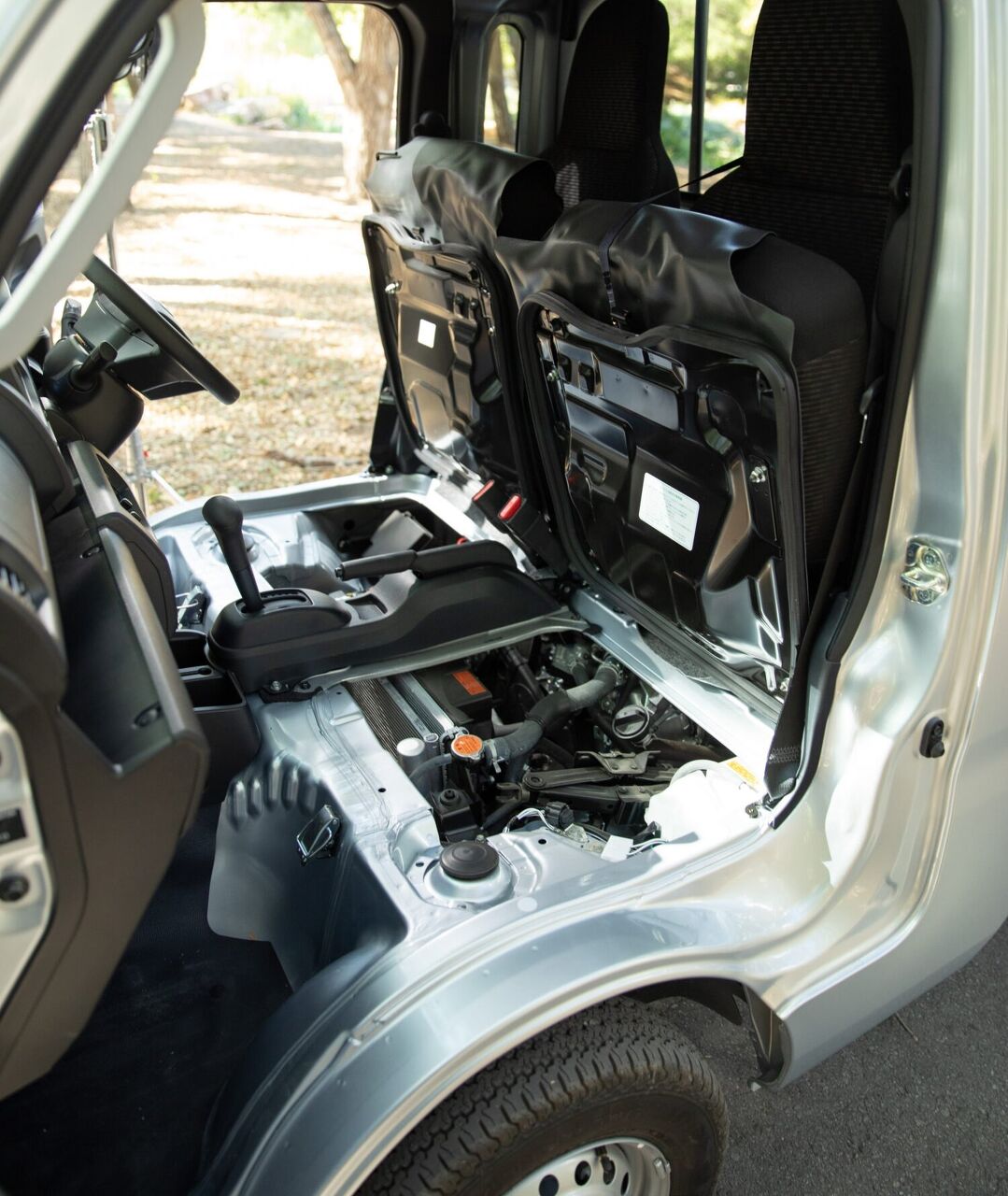
Sadly, this won’t be the case with the KEI-01. In order to make the vehicle compliant with United States Federal Motor Vehicle Safety Standards (FMVSS), Toyota had to classify the kei truck as a “low-speed vehicle.” This means that its top speed is just 25 mph so it can sidestep the crash-test standards other passenger vehicles would be subjected to in North America.
This is a shame and arguably serves as more evidence showing how U.S. regulations effectively gatekeep interesting vehicles from our market. Many households could presumably get by with a small, affordable pickup serving secondary vehicle that’s primary duty would be running localized errands — safety limitations being the obvious drawback.
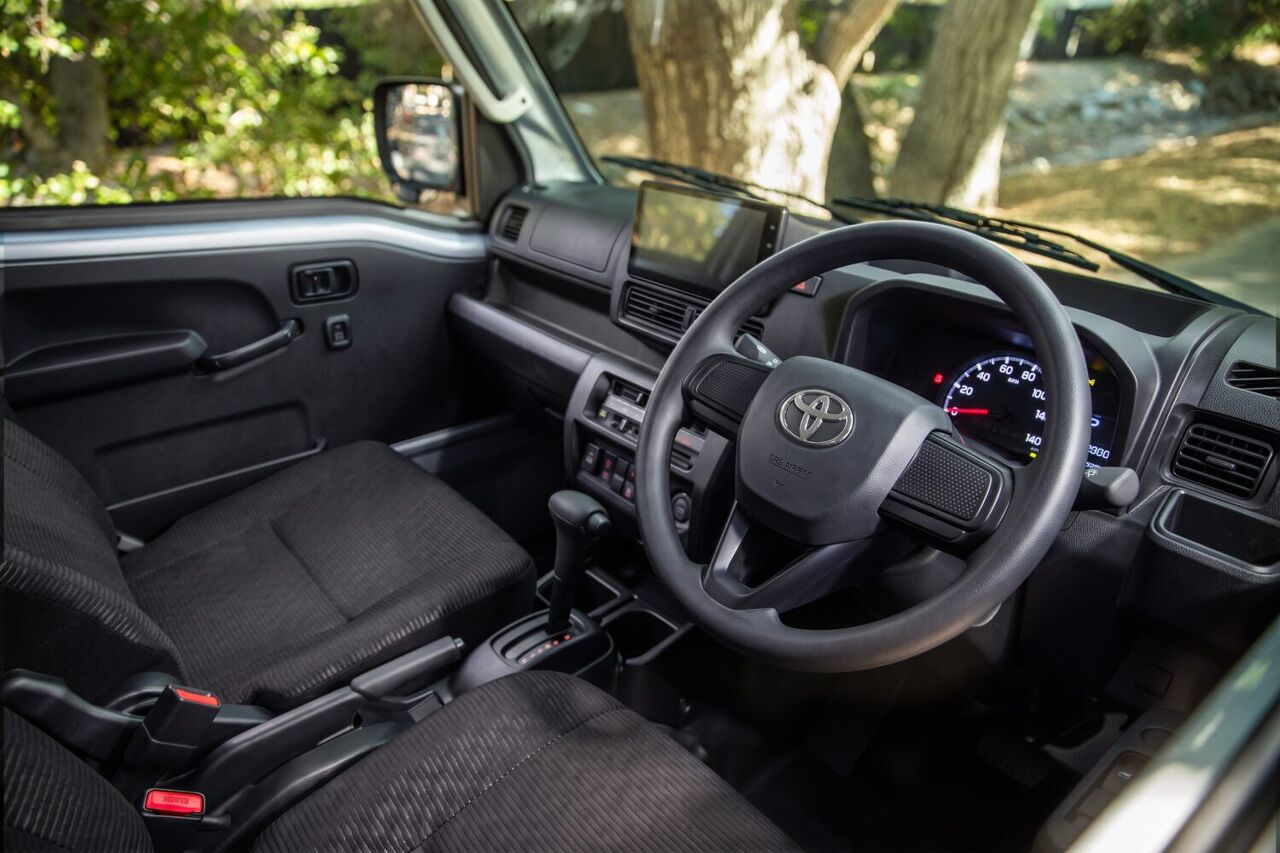
While the KEI-01 is likely to have a cabin that’ll be a little cramped for larger drivers, the model comes with heating, air conditioning, power windows, and room for two. Considering that the Daihatsu Hijet Jumbo tends to ballpark between $7,000 and $10,000 on the home market, such a model would also help people circumvent the high pricing of modern automobiles.
Limiting the vehicle to just 25 mph sort of nullifies that prospect and doesn’t really make much sense beyond hampering sales. Many states place varying restrictions on where "low-speed vehicles" are legally allowed to operate. But even an unrestricted KEI-01 would likely still be slow enough to discourage people from taking it on the expressway most of the time, meaning the vast majority of journeys would be limited to city streets and country backroads.
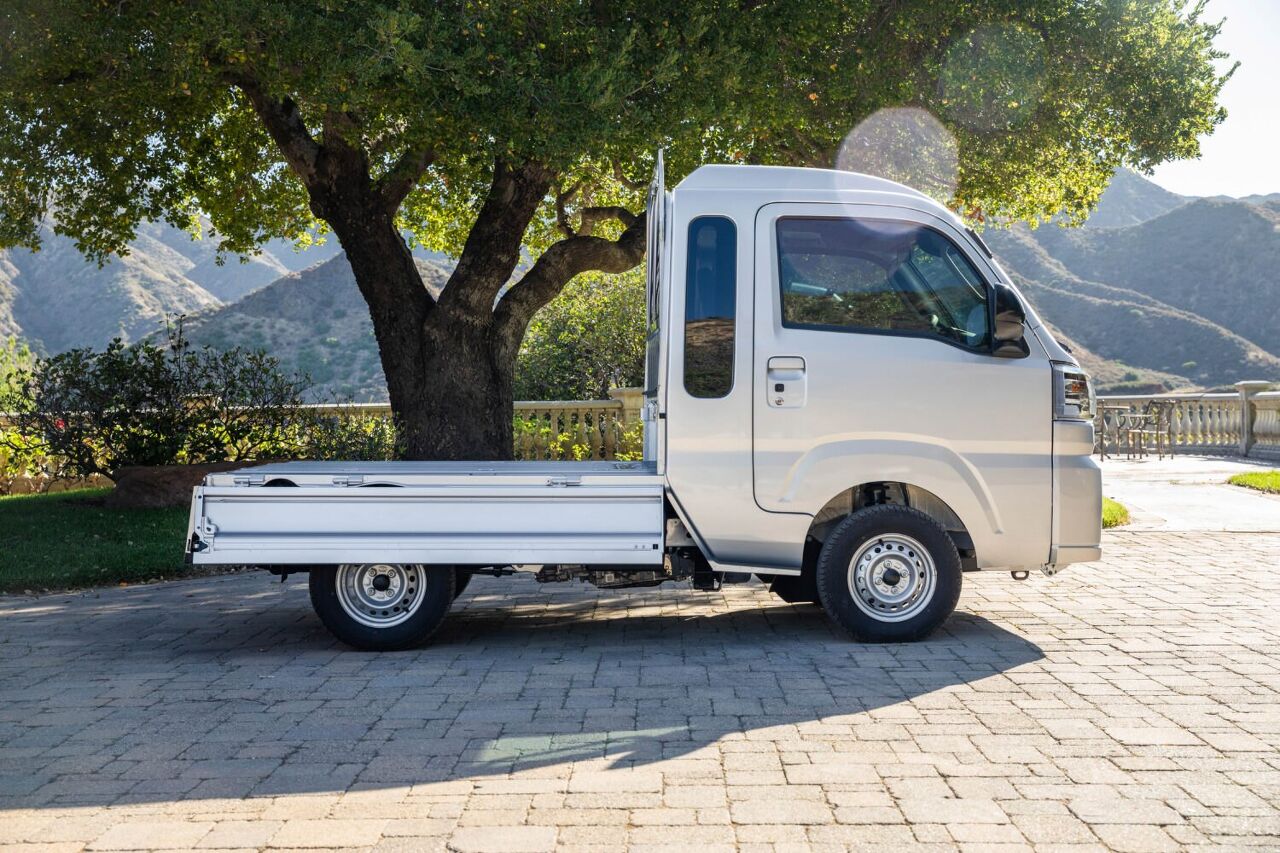
That’s also where the 25-mph model will be doing some of its driving and it’ll have to share that space with significantly larger automobiles that could crush it like an egg. This is where safety regulators would say the low speed comes into play. But we already have motorcycles, which are significantly faster and likely to fare even worse should they collide with something like a Chevrolet Silverado. Bicycles are also legally allowed to share the road with automobiles and they’re even slower.
Viewed this way, one could argue that the KEI-01 having been kneecapped to just 25 mph actually makes it less safe to use on public roads since it will need to compete with faster moving traffic. However, Toyota is viewing Scion as its “Freedom Lab” and presumably knows this. Perhaps its deep pockets can be used to lobby the government to roll back some of these restrictive regulations — not that we’re normally big fans of industry lobbying.
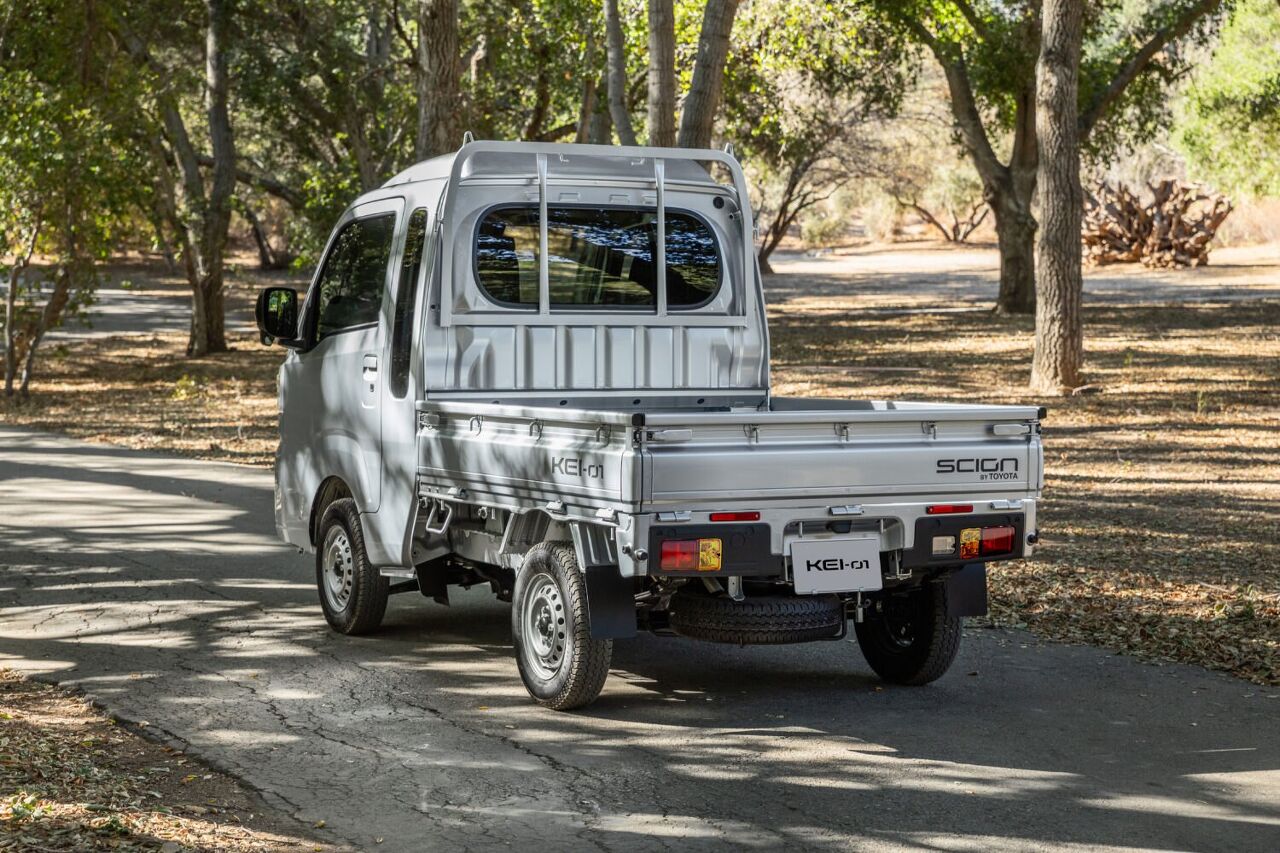
One also imagines that customization will be a major component. Scion was pretty big on that in the past and kei trucks/vans are known for being altered to fit their particular mission. This could include aftermarket modifications to nullify any speed governors, assuming the KEI-01 is electronically limited. This would of course put the vehicle on shaky legal grounds should you take it onto public roads. But it feels like the morally correct thing to do, even if the courts might end up disagreeing.
Keen to show off more, the brand didn’t stop with the American kei truck. Toyota’s twin events also served as an opportunity to preview a couple of concept vehicles that fall outside the boundaries of traditional Toyota models.
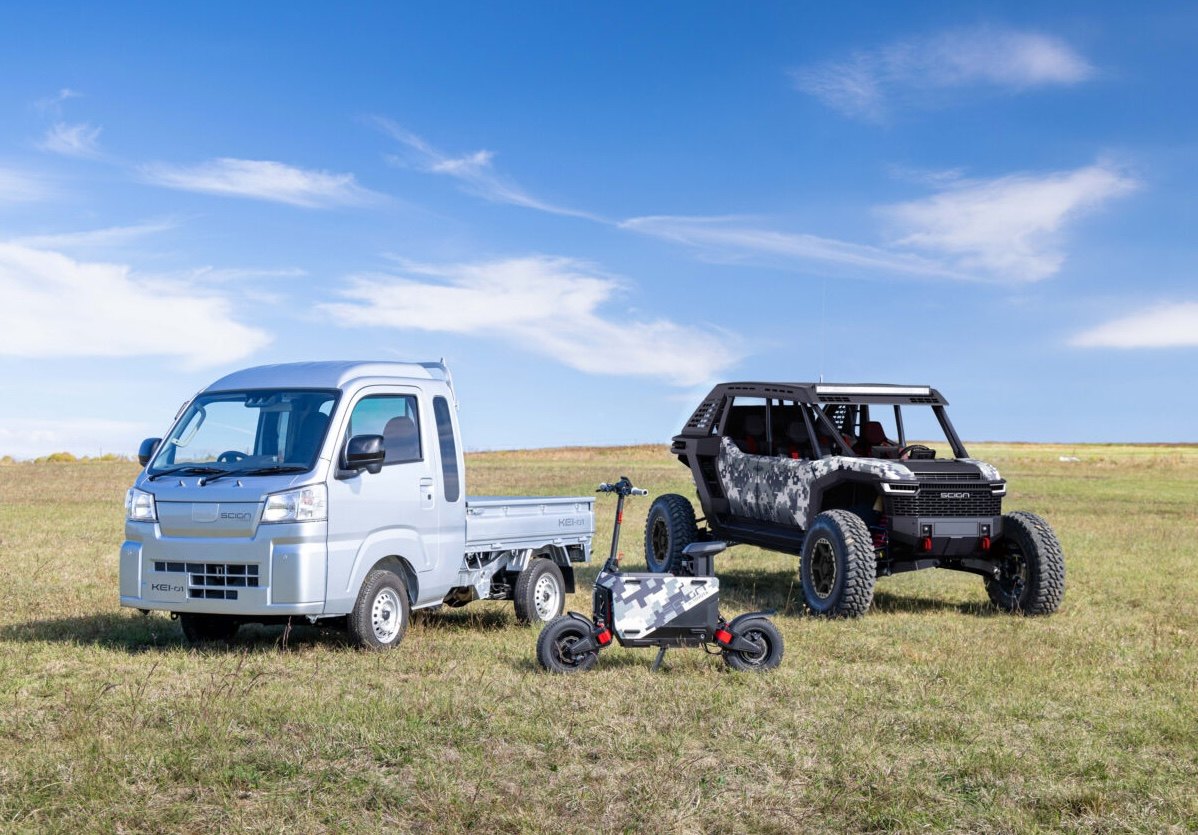
The SxS Concept was something Toyota had previously showed off at SEMA and is basically your typical side-by-side designed for off-road use. But it features a turbocharged hybrid inline-four that’s supposed to boast upwards of 300 horsepower. That clearly places the emphasis on off-road performance, rather than serving as a utility vehicle designed help with errands around the farm.
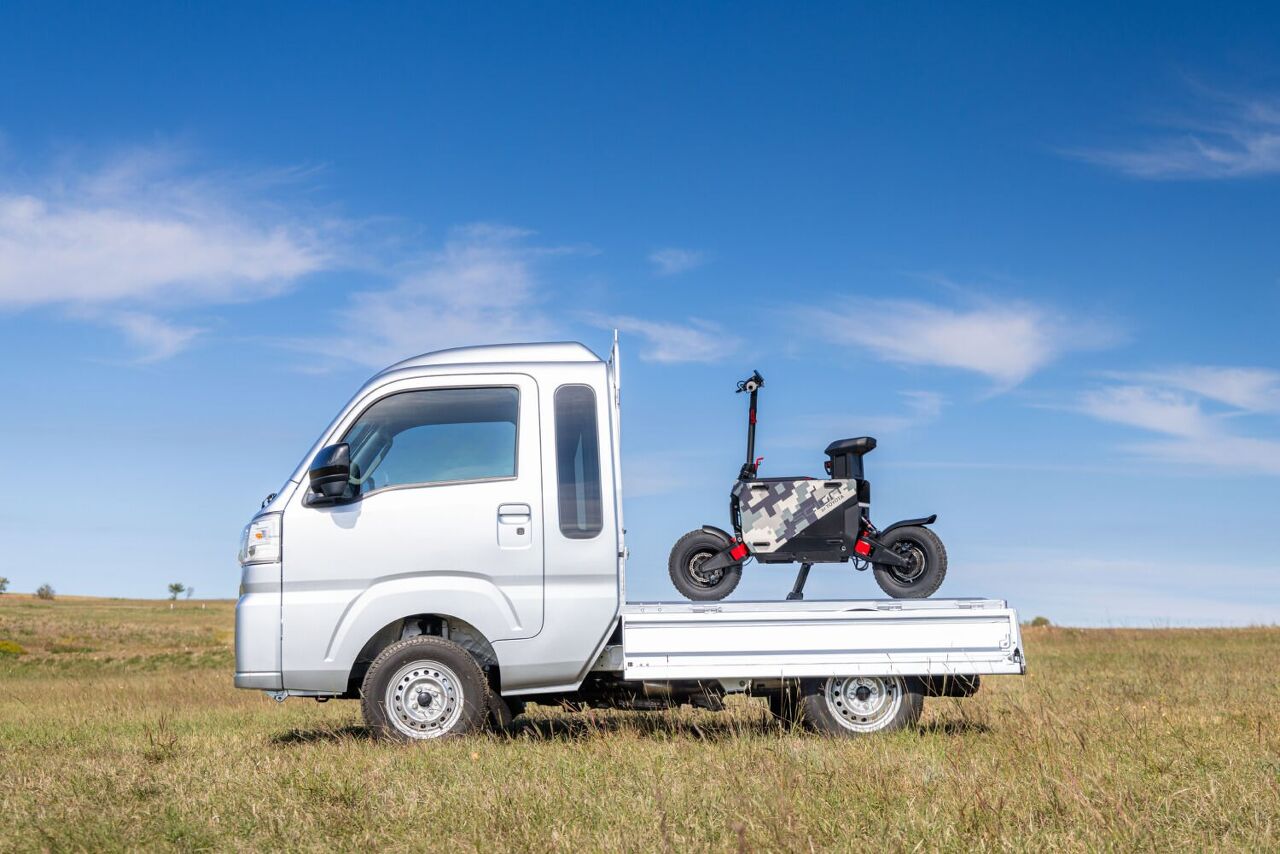
Meanwhile, the BKE Concept is a stowable scooter that’s supposed to help people get around in environments automobiles might be poorly suited for. Honda did something similar with the Motocompo in the 1980s (which was later revived) and we cannot forget Mazda’s ultra-rare 1991 “Suitcase Car” concept.
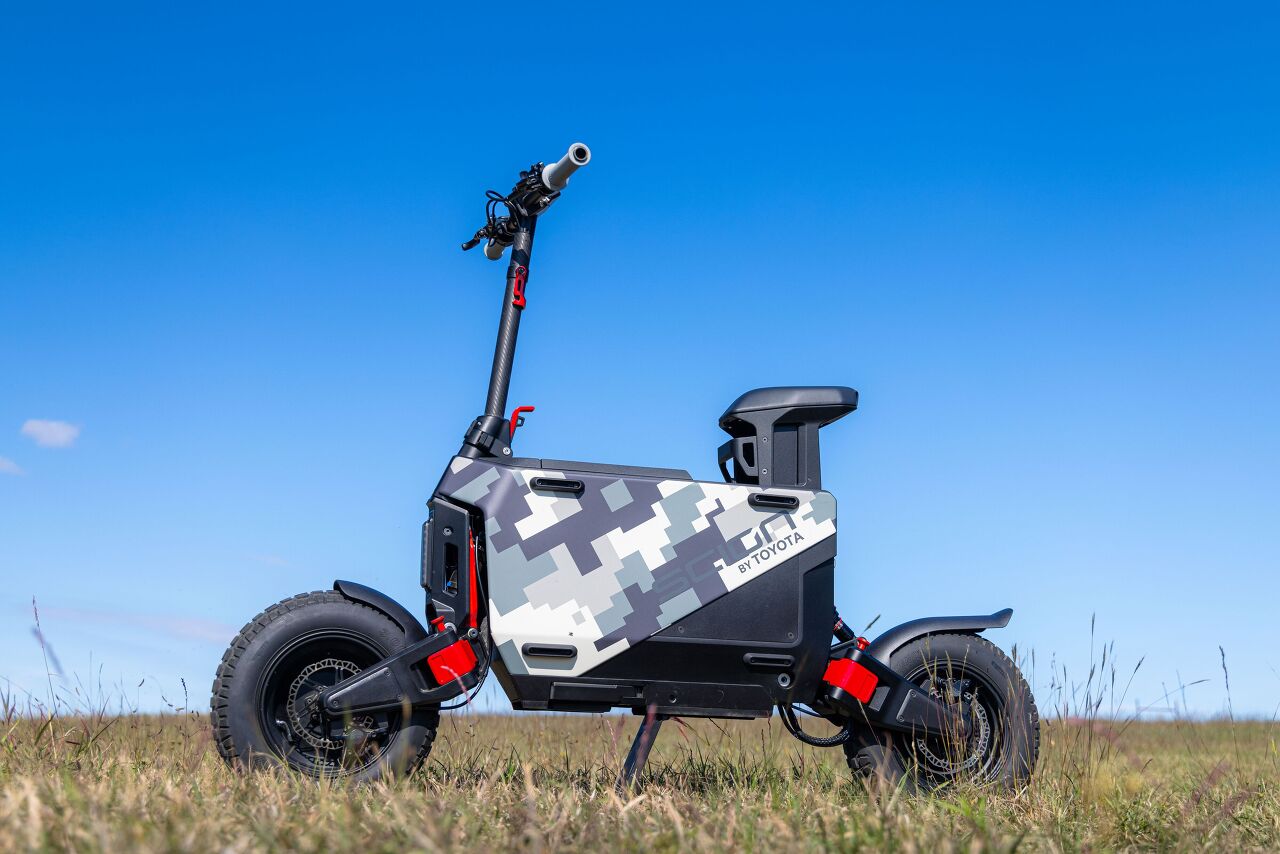
However, the concept has been around forever. Militaries have routinely tested small motorcycles that could be assembled in the field since World War II and the idea stuck around ever since. Simple mopeds that could be broken down in a matter of minutes have been available on the commercial market since the late 1950s. While those vehicles have enjoyed a rather inconsistent sales history, we now have countless companies selling collapsable e-bikes/scooters.
It’s hard to know what to make of all this. Despite Americans having shown an interest in imported kei trucks, one doubts that they could ever become more than a niche segment. But the same could be argued for side-by-sides and collapsible mini bikes, both of which have proven financially viable in recent years.
This isn’t really a reboot of Scion in the sense that Toyota just needs a place to offer affordable models to an underserved demographic of drivers. Frankly, those kinds of brands never seem to last very long once mainstream automakers start offering more economy models. Toyota selling the Matrix and Corolla at a similar price point arguably hurt those old Scion models just as much as the financial crisis.
Leadership is likely aware of this, which is why Scion is returning with a slightly different ethos. Toyota now intends to use the brand as a way to test some of its more curious ideas. If that includes blazing a trail to normalize (ideally unrestricted) American-made kei trucks for our market, we won’t be complaining. Even if those kinds of vehicles don’t appeal to you personally, additional choices and some extra jobs for Americans is invariably a good thing.
Expect more details to manifest over the coming months, with Toyota stating that it plans to commence production of the Scion KEI-01 in Indiana in the middle of next year.
[Images: Toyota]
Become a TTAC insider. Get the latest news, features, TTAC takes, and everything else that gets to the truth about cars first by subscribing to our newsletter.