Essential Home Maintenance Guide for Older Homeowners
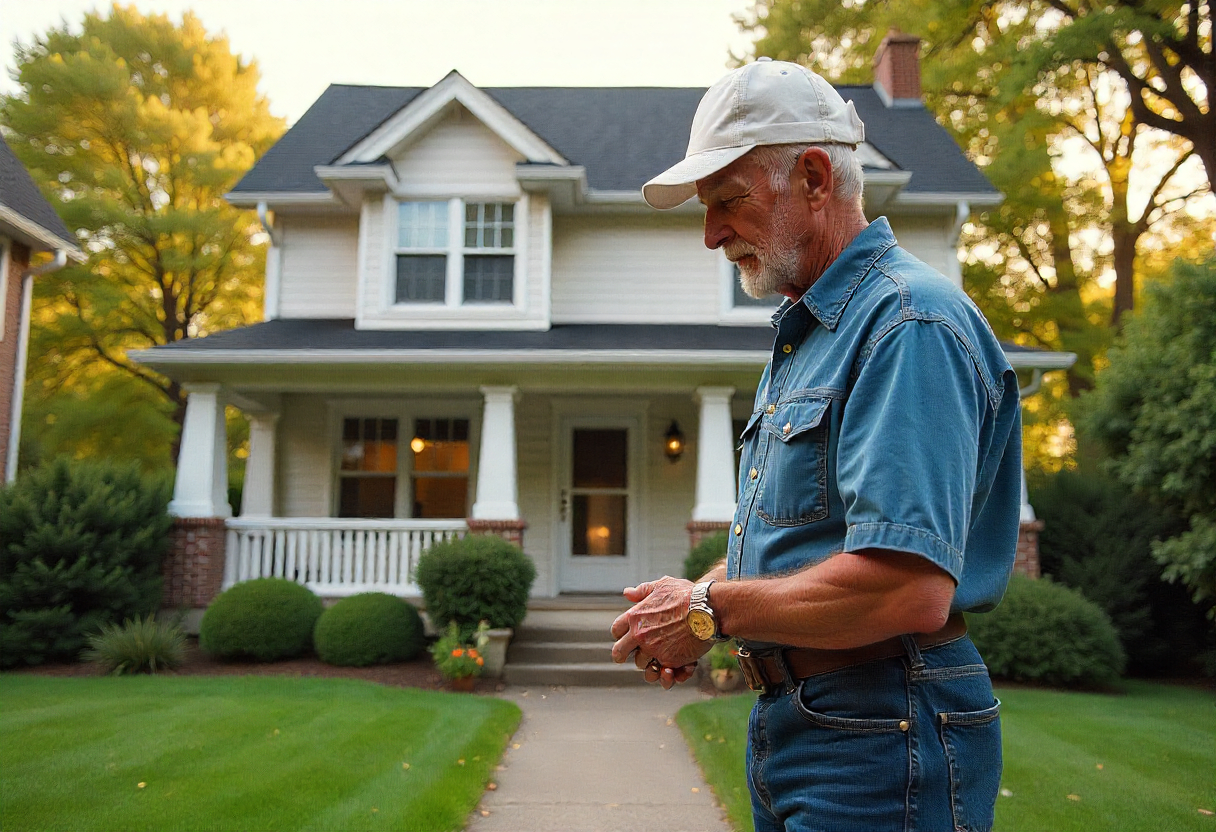
Easy home maintenance tips for safety and comfort.
Keeping a home in good shape becomes more important as we age. A well-maintained home supports safety, comfort, independence, and peace of mind. For many older adults, staying on top of repairs and routine upkeep can prevent accidents, reduce stress, and avoid expensive emergency fixes later.
This guide breaks down the most important home maintenance tasks for older homeowners. Everything is organized into simple sections, making it easy to follow, bookmark, and use as a reference throughout the year.
Why Home Maintenance Matters as You Age
Staying proactive with home care offers three major benefits:
- Safety: Fixes hazards like loose handrails, dim lighting, or slippery floors.
- Comfort: Ensures heating, cooling, plumbing, and appliances work smoothly.
- Independence: Helps older adults live confidently and safely in their own homes.
Many older homeowners face challenges such as limited mobility, vision changes, or reduced strength. A clear plan makes home care easier, predictable, and more manageable.
How to Approach Home Maintenance as You Age
The key to easier home upkeep is organization and consistency. Instead of doing everything at once, break tasks into small, scheduled steps.
a. Create a Maintenance Routine
- Use a seasonal checklist to keep track of what needs attention.
- Add reminders to your calendar for monthly, quarterly, and yearly tasks.
- Group similar jobs together—like testing alarms or checking faucets—to make them simple to complete.
b. Know When to DIY and When to Ask for Help
Some tasks are safe for older adults to handle, such as changing air filters or checking smoke alarms. Others—like roof inspections or heavy yardwork—are safer when handled by professionals.
c. Build a Support Network
You don’t have to do it all alone. Ask family, neighbors, or trustworthy service providers to help with difficult tasks. Many communities also offer senior assistance programs for home repairs and safety improvements.
Safety First: Reduce Risks Around Your Home
Home safety should always be the top priority. A few small improvements can significantly reduce the risk of falls, fires, or accidents.
Key Safety Checks
- Eliminate tripping hazards: Remove loose rugs, secure cords, and keep walkways clear.
- Improve lighting: Add brighter bulbs, nightlights, or motion-activated lights in halls and stairways.
- Upgrade bathroom safety: Install grab bars, non-slip mats, and a sturdy shower chair if needed.
- Check alarms: Test smoke and carbon monoxide detectors monthly and replace batteries twice a year.
These changes are low cost but can prevent serious injuries.
Essential Year-Round Maintenance Tasks
A. Indoor Maintenance
These tasks keep the inside of your home safe, healthy, and running smoothly.
- Smoke & Carbon Monoxide Detectors
- Test monthly
- Replace batteries twice a year
- Replace entire units every 7–10 years
- HVAC System (Heating & Cooling)
- Replace air filters once a month or as needed
- Schedule professional tune-ups every spring and fall
- Plumbing & Water Leaks
- Check under sinks and around toilets for moisture
- Inspect the water heater for rust or dripping
- Listen for unusual pipe noises that may signal problems
- Appliance Safety
- Look for frayed cords
- Clean dryer lint traps and exhaust vents
- Check refrigerator seals and oven functionality
B. Outdoor & Structural Maintenance
These tasks protect your home’s structure and prevent expensive repairs.
- Roof & Gutters
- Inspect visually from the ground
- Look for missing shingles or sagging areas
- Have gutters cleaned at least twice a year to prevent water damage
- Foundation & Exterior Walls
- Check for cracks or shifting
- Monitor for damp spots inside or outside the home
- Doors & Windows
- Test locks, hinges, and weather stripping
- Reseal gaps to improve insulation and reduce energy bills
- Walkways & Landscaping
- Keep pathways level and free from debris
- Trim bushes or trees blocking walkways or windows
Seasonal Home Maintenance Checklist
Breaking tasks into seasons makes home care more manageable.
Spring
- Inspect roof and siding after winter storms
- Clean gutters
- Test outdoor faucets
- Schedule air conditioner service
Summer
- Maintain cooling systems
- Trim trees and overgrown shrubs
- Inspect decks, patios, and outdoor railings
Fall
- Clean and inspect the heating system
- Check chimney or fireplace
- Seal windows and doors
- Test smoke alarms before winter
Winter
- Insulate exposed pipes
- Check space heaters and emergency supplies
- Keep walkways dry and ice-free
- Monitor indoor humidity to prevent mold
Budgeting & Planning for Home Maintenance
Good financial planning makes home care less stressful.
Smart Ways to Budget
- Set aside a specific amount each month for repairs
- Expect to spend roughly 1% of your home’s value per year on maintenance
- Get multiple quotes before hiring service providers
- Use yearly inspections to catch problems early and avoid costly emergencies
Conclusion
Taking care of your home doesn’t have to feel overwhelming. With a clear routine, a few safety upgrades, and help when you need it, you can maintain a comfortable and secure living space for many years. Remember, small steps add up—so stay proactive, stay safe, and let your home continue to support your independence and well-being.
Popular Products
-
 Classic Oversized Teddy Bear
$23.78 -
 Gem's Ballet Natural Garnet Gemstone ...
$171.56$85.78 -
 Butt Lifting Body Shaper Shorts
$95.56$47.78 -
 Slimming Waist Trainer & Thigh Trimmer
$67.56$33.78 -
 Realistic Fake Poop Prank Toys
$99.56$49.78