Winter Walking Safety For Seniors In Thunder Bay: Practical Tips To Stay Upright And Confident
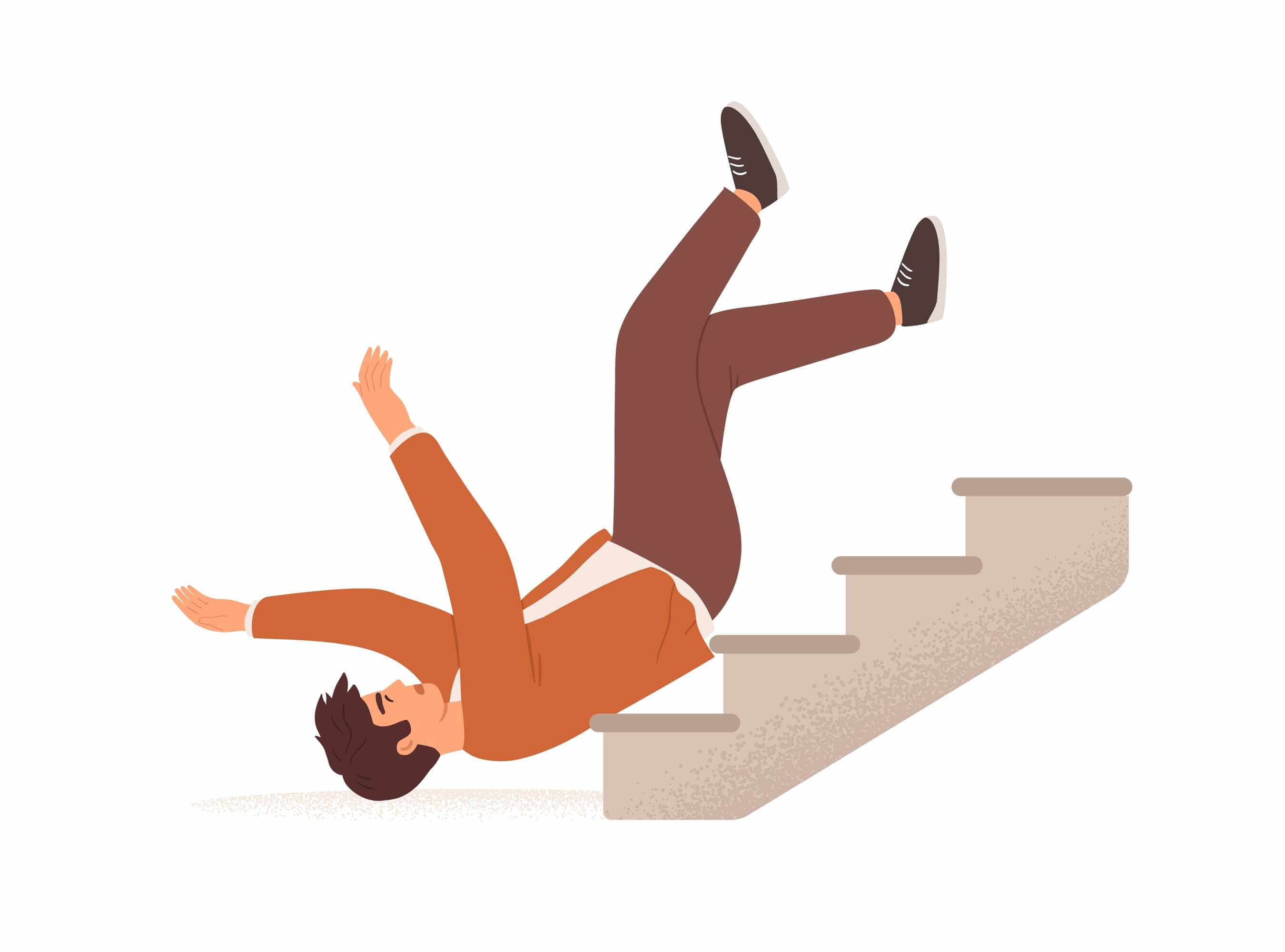
Why Winter Walking Needs a Different Plan
THUNDER BAY – LIVING – In Northwestern Ontario, winter surfaces can change fast—snow packed down into “polished” ice, daytime melt followed by an overnight freeze, and wind-driven drifting that hides uneven footing.
The good news: most falls are preventable with a few habit changes and the right gear.
Our local sidewalks can be really slippery, especially with fresh snow.
Start with the Right Footwear and Traction
Footwear is your first line of defence.
-
Choose boots with a firm, non-slip sole and a wide, low heel for better stability.
-
Add ice grips/cleats when conditions are icy. Put them on while seated, and remove them indoors or on bare floors to avoid slipping.
-
If you use a cane or walker, consider winter tips (like a retractable ice pick on a cane) for added traction.
Use the “Penguin Walk” on Ice
If you hit an icy patch, adjust your gait rather than trying to “push through.”
-
Shorten your steps
-
Shuffle slightly
-
Keep knees loose
-
Keep hands out of pockets so you can balance
Visibility Matters in Thunder Bay’s Long Winter Nights
Darkness comes early, and blowing snow can reduce visibility—especially around intersections.
-
Wear bright colours in daylight and add reflective gear at dusk and night.
-
Make eye contact with drivers before stepping into a crosswalk (drivers may struggle to stop on slippery roads).
Pick Safer Routes and Time Your Walk
A “safe” route in summer might be risky in winter.
-
Stick to well-cleared sidewalks and avoid shortcuts that haven’t been maintained.
-
Avoid steep hills and known ice build-up areas when you can.
-
In Thunder Bay, freeze–thaw cycles can create slick sidewalks; the City notes this melting/freezing pattern can quickly turn surfaces icy.
Prepare Before You Step Outside
A 60-second checklist can prevent a bad fall:
-
Check conditions (sidewalks, driveway, steps) before committing to a longer walk.
-
If it’s slick, use sand/salt (or ask a friend/neighbour for help).
-
Bring a phone (kept warm in an inside pocket so the battery lasts).
-
Consider walking with a buddy—especially after dark or during active snowfall.
Balance and Strength Make a Big Difference
Winter walking isn’t just about ice—your body’s “stability tools” matter too.
-
Keep up simple balance and leg-strength exercises (even indoors). Fall-prevention programs and home safety steps reduce risk and help maintain independence.
-
Make sure vision, hearing, and mobility aids are working well—small issues can become big hazards on ice.
Know When Not to Walk
Some days, the safest choice is to swap the outdoor walk for an indoor option (mall loops, community centre tracks, or even a few trips up and down a hallway at home).
If conditions are glare-ice, freezing rain, or heavy blowing snow, it’s reasonable to postpone. Falls can lead to serious injuries for older adults, but prevention steps are proven and effective.
Quick Winter Walking Checklist for Seniors
-
Boots with good tread + ice grips when needed
-
Short steps / shuffle on ice, hands free
-
Reflective gear at night
-
Choose cleared routes, avoid hills/shortcuts
-
Bring phone, consider a walking buddy
-
If it’s treacherous, walk indoors instead
Last Words: Winter walking safety tips for seniors: traction, visibility, route planning and fall prevention.
The post Winter Walking Safety for Seniors in Thunder Bay: Practical Tips to Stay Upright and Confident first appeared on NetNewsLedger.
Popular Products
-
 Classic Oversized Teddy Bear
$23.78 -
 Gem's Ballet Natural Garnet Gemstone ...
$171.56$85.78 -
 Butt Lifting Body Shaper Shorts
$95.56$47.78 -
 Slimming Waist Trainer & Thigh Trimmer
$67.56$33.78 -
 Realistic Fake Poop Prank Toys
$99.56$49.78