Automakers Worried About New Aluminum Shortages, Raw Material Prices
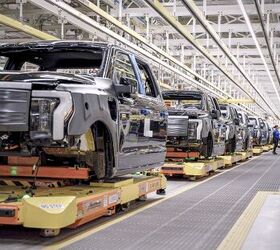
Truck fans have argued for years about whether the aluminum body used on the Ford F-150 was the correct choice. While it lightened the vehicle by hundreds of pounds and proved to be incredibly resistant to corrosion, many worried that it was less durable to impacts and more expensive to repair than alternatives. Well, none of that matters now because the biggest con for Ford’s lightweight truck these days is that nobody in the industry can afford the raw materials.
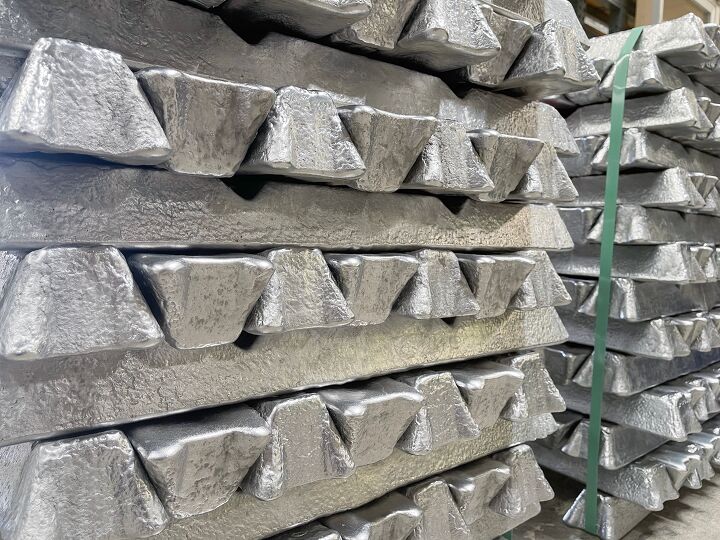
According to a recent report from The Wall Street Journal, aluminum prices have increased by roughly 90 percent over the last year — a meaningful portion of which has been attributed to tariffs implemented by the Trump administration and subsequent military engagements in the Middle East.
Ford has opted to request a waiver on the 50-percent tariff imposed on imported aluminum while doubling its estimated commodities spending — compared to 2024 — to roughly $2 billion. But it’s hardly the only automaker that’s struggling with materials costs. Most automakers manufacturing inside the United States have reported elevated costs on raw materials in recent years.
However, the closure of the Strait of Hormuz has made matters much worse. Following attacks from the U.s. and Israel at the end of February, Iran opted to close the passage to commercial and civilian traffic. The Persian Gulf accounts for roughly a fifth of all aluminum exports and a fair portion of that was dependent upon the strait for passage to other markets.
While the U.S. has claimed to hold at least partial control of the waters and negotiated an ongoing ceasefire deal with Iran, Israel has not formally signed onto any peace agreements and has continued strikes on other countries within the region. This has arguably helped ensure that the passage stays closed.
With the price of raw materials already elevated, the situation has effectively just made a bad situation worse. S&P Global Energy estimates the price of a ton of aluminum has nearly doubled, going from $3,220 to $6,100 over the last 12 months.
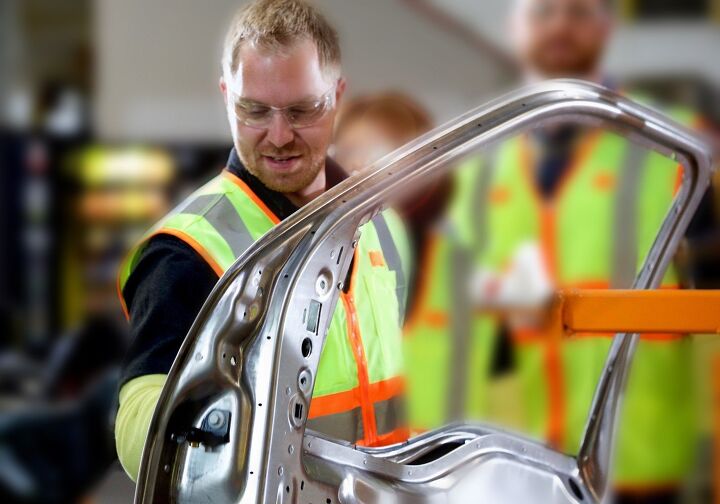
Since Ford’s extremely popular F-Series features an aluminum body, it presumably has the most to lose among the domestic automakers. Pickup prices are already so high that it’s assumed to be negatively impacting sales. But drivers have likewise signaled a strong distaste for the kind of cost cutting that’s now commonplace within the industry.
Aluminum use in automobile manufacturing has become increasingly popular since the early 2000s. These days, almost every vehicle utilizes at least some amount of aluminum to help mitigate weight. It’s an effective strategy to help boost performance, improve fuel economy, and lower emissions — mimicking trends we’ve seen within the aviation industry for about a century.
There’s been some amount of discussion about pivoting factories back to steel. However, the cost of retooling facilities (and the accompanying downtime) makes that plan too expensive to make sense. Automakers may make changes to select models, especially if the relevant plant is scheduled for an overhaul. But it seems unlikely that we’d see an industrywide shift away from aluminum at this juncture. However, it’s difficult to say whether that’s wise.
Keep in mind that domestic automakers were already fretting over aluminum shortages last year. While the shipping snafu in the Middle East isn't helping, this material shortfall isn't exactly something that came out of nowhere.
General Motors, Ford, and Stellantis all admitted during their first-quarter earning reports they expect material costs to rise. Combined, that sum could be $5 billion higher than originally expected for 2026.
That will undoubtedly encourage automakers to raise prices, since they refuse to simply absorb the cost of their own mistakes and consistently pass those fees onto customers. Citing data from the London Metal Exchange, the Financial Times estimated the situation could add between $500 and $1,500 to the manufacturing cost of most vehicles.
Sadly, aluminum isn’t the only issue. Petroleum products used to help in the processing of plastics (e.g. naphtha) have also been harder to source since the closure of the Strait of Hormuz. Meanwhile, steel prices had been rising since before Trump imposed new importation tariffs on them. Copper has likewise gotten more expensive, which is unfortunate considering cars come with more electrical wiring than ever before.
With the above in mind, the industry expects to continue raising prices on new vehicles. But consumers are largely tapped out. Automakers are already trying to implement new subscription fees on the most expensive vehicles ever made while also removing physical controls to reduce manufacturing costs.
Automakers universally cited declining sales in the first quarter of 2026. Americans have also proven themselves less likely to purchase new vehicles when fuel prices are high and they just shot up by over a dollar per gallon over a period of weeks. Brands are welcome to raise their prices as they continue running with “software-defined” vehicles with de-contented interiors. But we doubt the strategy is going to help them garner more sales.
The industry has been running a string of convenient excuses for why vehicles are so expensive for years and material shortages is one of the best explanations they could give. However, it likely doesn’t matter anymore. We crossed the threshold of the average American household being unable to afford new vehicles sometime after 2021 and that’s when the excuses really started to get stacked on top of each other. Public sympathy evaporated the second people learned companies continued enjoying record-setting profits.
[Images: Ford Motor Co; Javier Ruiz/Shutterstock; Amorn Suriyan/Shutterstock]
Popular Products
No popular products available in this category.