Evoque And Velar To Retire As £90k Gt Becomes Entry Range Rover
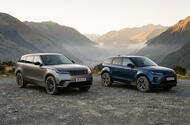
Range Rover moves away from the mainstream by dropping two cheapest models after 2027
The Range Rover Evoque and Range Rover Velar will not be replaced when production of the pair ends later this decade.
That will leave the upcoming Range Rover GT and the Range Rover Sport as two very different but similarly priced entry points to JLR's now stand-alone luxury brand, sitting underneath the full-sized Range Rover in a three-strong line-up.
Range Rover boss Martin Limpert confirmed to Autocar that while the Evoque and Velar will continue in production throughout 2027, each is now close to the end of its life after around a decade in production and no replacement is being developed for either.
The demise of these model lines is partly down to JLR's House of Brands strategy, which has spun off Range Rover, Defender and Discovery as stand-alone marques from the Land Rover parent brand.
Given the luxury positioning of Range Rover and the newly expanded roles for Defender and Discovery - the former with a new entry-level model called Defender Sport soon to join the ranks - it is now no longer necessary for Range Rover to cover such a large part of the market. Instead, Range Rover will focus on the upper end of the market and smaller, more affordable models will be left to Defender and Discovery.
Range Rover GT
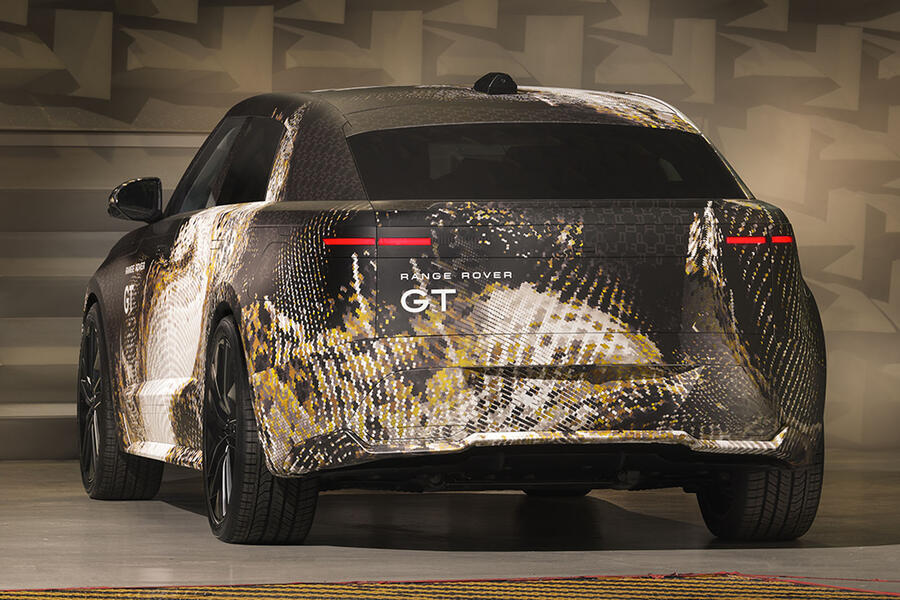
The Range Rover GT will be launched at the start of 2027 as a more road-biased and saloon-style model, based on the new electric-first EMA architecture and built at Halewood, where the Evoque and Discovery Sport are currently produced. It will be priced from around £100,000 as an all-electric model from launch, but hybrid versions will follow and are likely to reduce the entry price to around £90,000 - close to the current Range Rover Sport.
The Defender Sport will share both the GT's platform and its Merseyside production line, which is undergoing a £500 million overhaul to prepare it for EVs. The Discovery Sport will end production in December to make way for the GT. It's likely that Evoque production will then end ahead of the Defender Sport being launched around a year later.
The Evoque was the catalyst for significant growth and profitability at JLR in the early 2010s and prompted executives at the time to mull whether the group's sales could top one million. The Evoque exceeded 100,000 sales per year multiple times in the mid-2010s.
Last year JLR sales were just over 400,000, but the strategy has shifted from volume models to more premium offerings with greater profit potential, particularly from Range Rover and Jaguar. The Evoque starts from just below £40,000 and the Velar at below £60,000 - price points that will be covered by Defender and Discovery models in the future.
The Range Rover GT has been all but revealed as a lightly camouflaged prototype and Limpert said it has attracted a positive reaction from investors and retailers, with more than 80% of interest in it coming from customers of brands outside JLR. Investors have noted the lack of a "bullseye" competitor for the model, added Limpert, giving Range Rover confidence that it has found a true clear space in the market as it did with the Evoque in the 2010s.
Limpert also corrected a common misconception that the GT was conceived as a replacement for the Velar. He said that was not the case and it is an original offering with a road focus alongside trademark Land Rover off-road capability - a wide brief that, he said, is "testing us" in the GT's development programme.
The Velar is built at Solihull on the older D7a platform shared with Jaguar's now axed 'volume' models, including the XE, XF and F-Pace. It never achieved the same level of success as the Evoque, sales topping at around half of the Evoque's at its peak.
No Range Rover facelift – yet
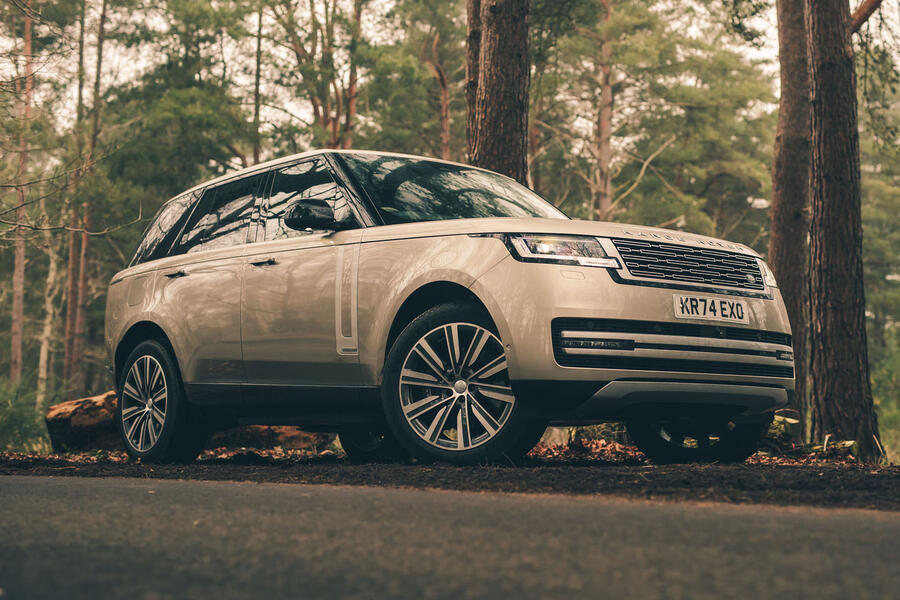
The Range Rover and Range Rover Sport ranges have recently been expanded with the addition of new electric versions, based on the same MLA platform as the petrol, diesel and hybrid models and with no real notable visual differences.
Despite the pair having been on sale for almost five years, there was no need to facelift them yet, said Limpert, because Range Rover designs are meant to be longer-lasting and customers had asked for any electric variant to be visually identical.
The designs will continue to evolve subtly with model-year changes - as hinted at by recently spotted test mules - but Limpert did say there is a desire to offer greater design separation between the Range Rover and Range Rover Sport in the future, to give each a bespoke visual character. They are currently similarly styled but drive differently and they have been pushed even further apart for the electric versions. Future updates will build on that.
Limpert confirmed that diesel will remain a powertrain option for Range Rover. The MLA architecture was also created with the capability of accommodating hydrogen power and this remains possible, but a significant market shift will be needed for this to become a serious prospect for production.
What's happened to Land Rover?
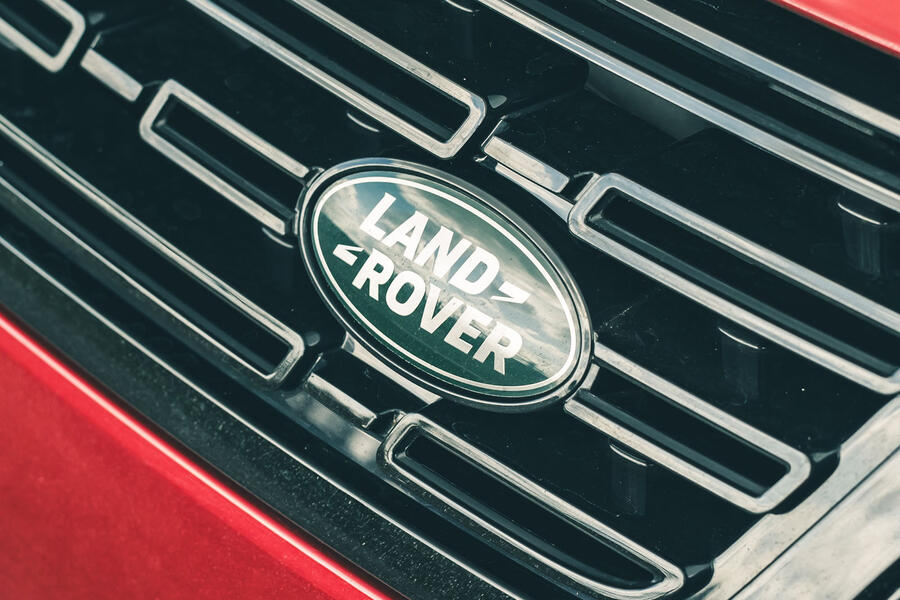
The new 2027-spec Range Rover and Range Rover Sport feature just one Land Rover badge, but there are no plans to phase out the parent brand's emblem on future models.
It sits within the front grille, where it acts as a 'trust mark' for Range Rover models to highlight their off-road capability, and Range Rover boss Martin Limpert said the Land Rover badge will remain visible on the brand's upcoming models.
The Land Rover badge will play a bigger role for Defender and particularly Discovery models, as they are in a much earlier part of their development as stand-alone brands.
JLR to speed up EV launches
The Range Rover electric models arrive at a similar time to the Jaguar Type 01, but despite being large EVs from a relatively small company, they are based on completely different architectures and share only brake discs, vehicle engineering director Matt Becker confirmed.
Becker said the requirements for Range Rover and Jaguar are so different that platform and component sharing was never a serious option. The drive units for the Range Rover, for example, are bespoke, in-house creations that are different from anything on the market due to their ability to cater for hardcore off-road driving.
The use of bespoke parts like this has caused a lengthy development for the electric Range Rovers but Becker said the cadence of launches will now increase and there will be no long gaps between launches, especially now that JLR's three platforms - EMA, MLA and JEA (for Jaguar) - have been developed and it is a case of spinning models off them.
Popular Products
No popular products available in this category.