The Us Made $200 Billion From Trump’s Tariffs. Guess Who Paid 96%?
- Americans paid 96 percent of the cost of U.S. import tariffs.
- Exporters kept prices steady while shipping fewer goods.
- Tariffs raised prices and reduced product availability.
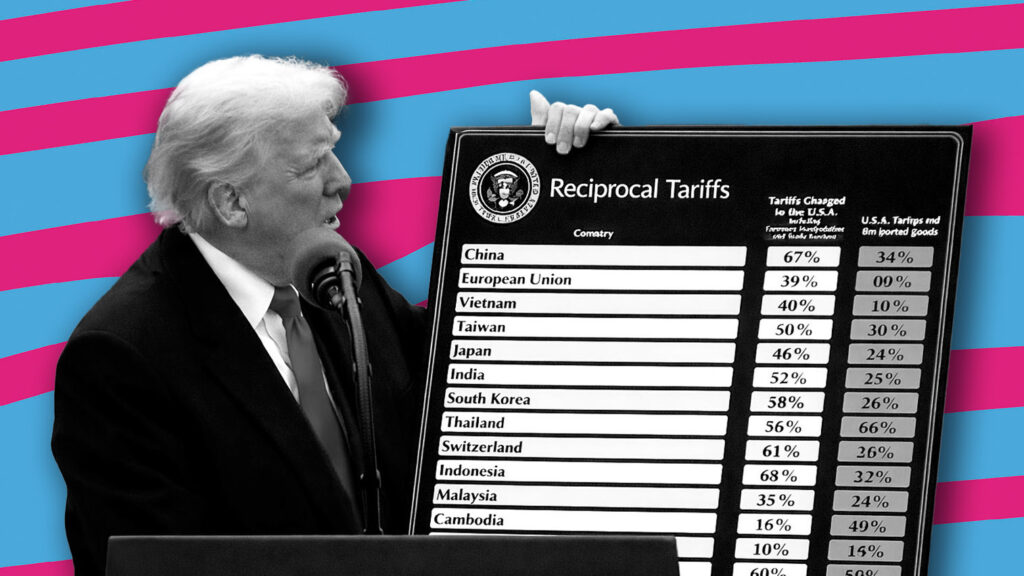
Nearly a year has passed since the U.S. administration under President Donald Trump launched a wide-ranging, often erratic series of tariffs, pitched as a way to boost the American economy while other countries quietly picked up the tab.
More: Mexico Starts 2026 With Steep Car Tariffs, And One Country Is Getting Slammed
A new in-depth study, which draws data from more than 25 million imports totaling nearly $4 trillion in value, may come as a surprise to anyone unfamiliar with how tariffs really operate. They’d be forgiven, though, as the U.S. government has long professed that tariffs would enrich the nation.
So far, though, the $200 billion in additional U.S. tariff revenue collected last year has come from one source: American wallets.
Who’s Really Paying the Bill?
The findings directly contradict claims that tariffs force overseas companies to foot the bill. Instead, researchers say tariffs function much like a consumption tax on Americans, raising prices and reducing the variety of goods available in the US market.
The study, published by the Kiel Institute for the World Economy, a prominent German think tank, found that U.S. importers and consumers absorbed about 96 percent of the costs imposed by tariffs, leaving just four percent shouldered by foreign exporters.
“The claim that foreign countries pay these tariffs is a myth,” said Julian Hinz, Research Director at the Kiel Institute and one of the study’s authors. “The data show the opposite: Americans are footing the bill.”
Speaking separately to the Wall Street Journal, Hinz added, “There is no such thing as foreigners transferring wealth to the U.S. in the form of tariffs”.
“They Shipped Less, Not Cheaper“
One of the study’s most striking findings is that foreign exporters largely refused to lower prices in response to higher US tariffs. Instead of shipping goods more cheaply, exporters shipped less. That pattern was evident following sudden tariff hikes imposed in August 2025.
Imports from Brazil were hit with a 50 percent tariff, while Indian goods saw rates jump from 25 to 50 percent. In both cases, export prices stayed flat while shipment volumes dropped sharply.
“We compared Indian exports to the US with shipments to Europe and Canada and identified a clear pattern,” Hinz explains. “Both export value and volume to the US dropped sharply, by up to 24 percent. But unit prices—the prices Indian exporters charged—remained unchanged. They shipped less, not cheaper.”
The Burden Shifted Inward
The implication is simple. Rather than forcing foreign manufacturers to absorb losses, tariffs reduced trade volumes and pushed higher costs onto Americans. Importers faced shrinking margins, while consumers ultimately paid more at the register or faced fewer options altogether.
In short, the tariffs didn’t shift costs overseas. They shifted them inward. As Hinz put it, the policy amounted to an “own goal,” one that raised government revenue while quietly taxing American businesses and households in the process.
Importantly, it’s plausible that this balance could change over time. The study points out that exporters could end up absorbing more of the costs if U.S. brands are able to offer new competing products. That’s not going to happen overnight, though, so the current state of affairs is likely to continue for some time.
Popular Products
No popular products available in this category.