‘upstairs’ Moves Downstairs: Hong Kong Outlets Head To Street Level As Landlords Cut Rents
Retailers and restaurant operators in Hong Kong are rethinking how they use space as rents fall and demand weakens by moving back to street-level shops and experimenting with short-term “pop-up” leases.
Hing Kee Java Edible Bird’s Nest (JEBN), known locally as “Lau Soeng” – Cantonese for “upstairs” – built its business by avoiding expensive street-front rents and operating from higher floors. It is now doing the opposite.
“After the pandemic, the retail market has been weak,” said Wallace Chong, marketing director and partner at JEBN. “There are fewer tourists and local consumers are more cautious, so we have to make some changes.”
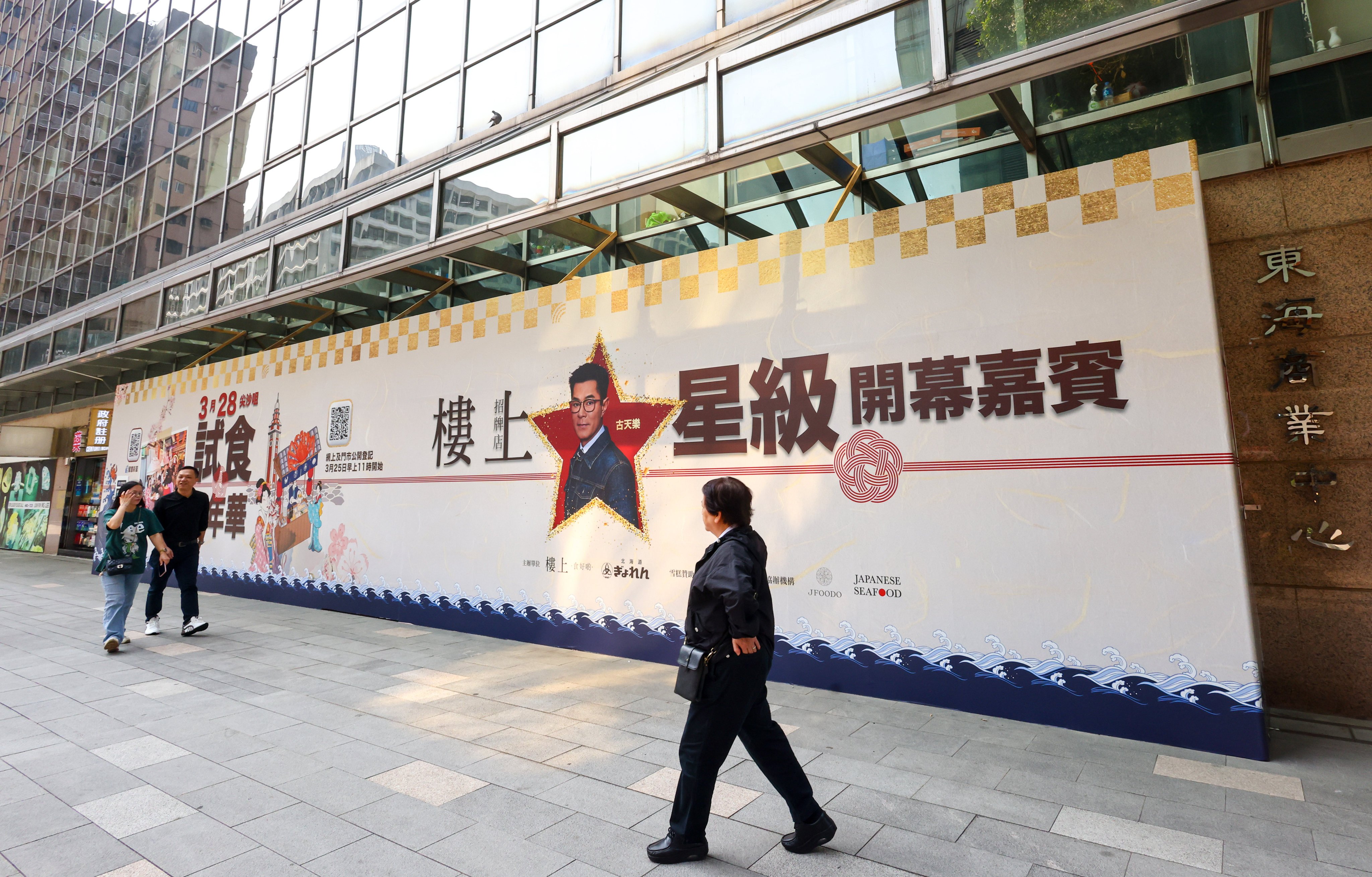
Next week, the retailer of bird’s nest, cordyceps and other Chinese health foods will open another ground-floor outlet in Tsim Sha Tsui, part of a broader shift as the city’s retail market adjusts to lower rents and weaker demand.
For much of the past two decades, “upstairs shops” were a defining feature of Hong Kong’s retail landscape. By giving up street visibility, businesses could cut rental costs and offer lower prices, relying on loyal customers rather than passing foot traffic. That calculation has changed.
JEBN’s new store at East Ocean Centre on Granville Road spans about 3,000 sq ft and will rent for roughly HK$200,000 (US$25,500) a month, according to market sources. Bank of East Asia paid about HK$388,700 for the same space in 2013 before handing it back to the landlord, now OCBC Wing Hang Bank, highlighting how sharply rents have reset from their peak.
The opening will bring the group’s total to 25 outlets across Hong Kong and Macau, including 11 ground-floor “signature shops” in Hong Kong. Its first such shop opened in Mong Kok in September 2021.
That location, on Sai Yeung Choi Street South, reflects the same repricing. The combined ground, mezzanine and first-floor space of about 4,500 sq ft was originally rented at a premium by a Korean cosmetics brand, which paid around HK$1.7 million a month between 2013 and 2019 at the height of the market.
The latest lease is now about HK$600,000, close to the landlord’s original asking rent, but far below peak levels.
The company began by testing small street-level outlets but has since adopted a dual-store model, keeping larger upstairs locations as full-service shops while using smaller ground-floor sites to increase visibility and capture passing trade.
“A ground-floor shop can be a good way to promote the brand and interact with customers,” Chong said.
The shift also reflects changes in demand. Sales of higher-end products such as bird’s nest – once driven by mainland Chinese visitors – have weakened since the pandemic. At the same time, rising interest in home cooking has boosted local spending, particularly on frozen and everyday food items.
Chong said the move should not be seen as a sign of recovery. “Opening ground-floor stores is not really a success strategy. It’s more a response to the current market,” he said. “We don’t know when the market will fully recover, but doing nothing is not an option.”
Across Hong Kong, falling rents and rising vacancies are prompting similar adjustments.
Terry Ho, senior regional sales director at Centaline Commercial, said more food and beverage operators and eyewear retailers were moving from upper floors to street level to improve visibility, while some were maintaining both formats.
“For bare-shell food and beverage spaces, rent-free periods of more than six months are now common,” she said. “Landlords have realised they cannot afford to leave shops vacant for long.”
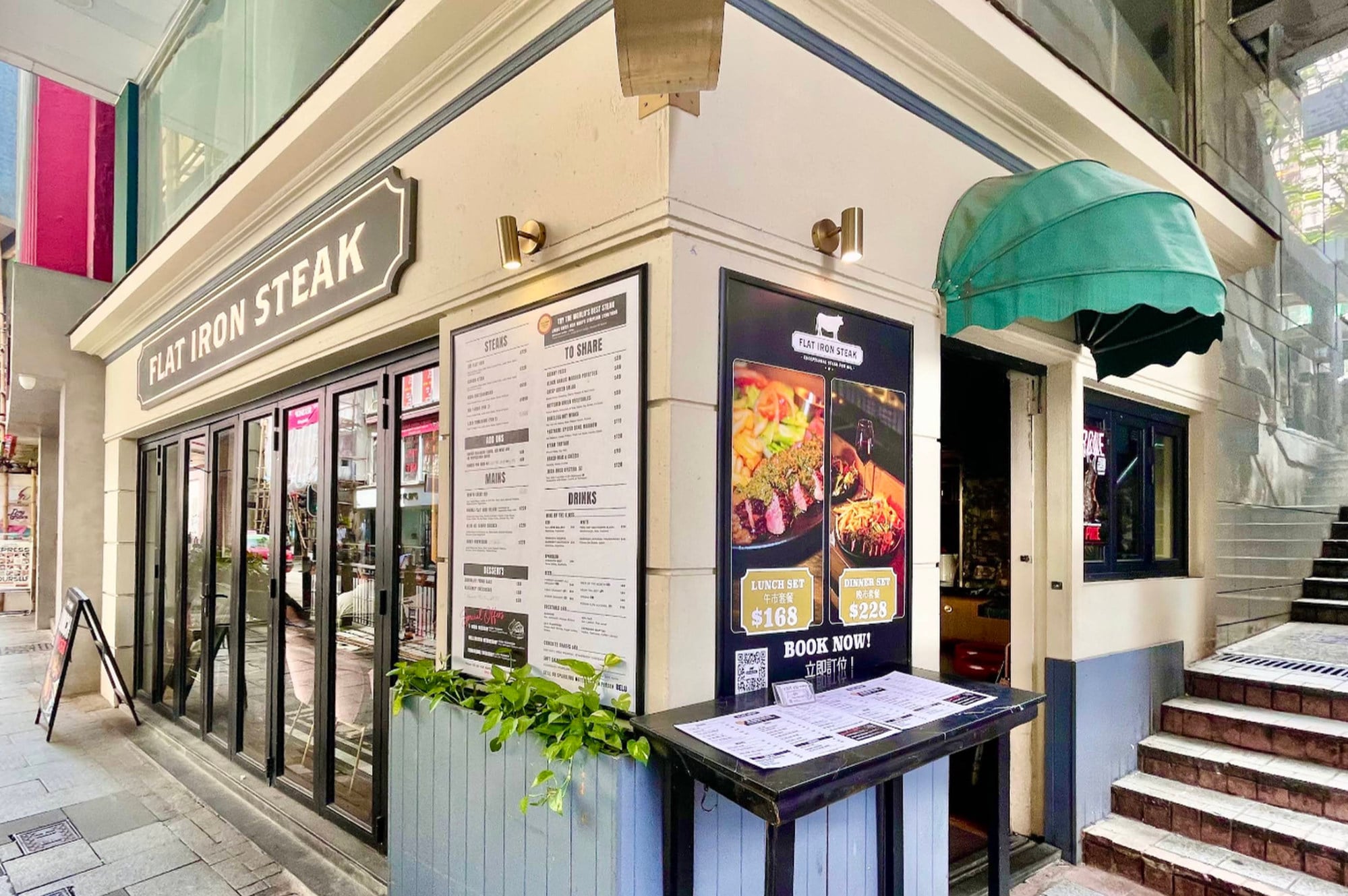
Opportunistic restaurant operators are taking advantage. A fast-growing steak restaurant group now runs nine locations and plans to reach 13 by May, expanding through cost control and vertical supply-chain ownership.
“Running restaurants right now in Hong Kong, you have to figure out the new trends and the new business model,” said Jonathan Glover, founder of Hidden Gem Restaurants. “For us, it’s about value for money and flexibility.”
Its use of short-term pop-up leases is particularly illustrative. In Causeway Bay, the company opened a fully fitted steak restaurant within days of signing a temporary four-month lease, filling a gap before the next tenant moved in.
“Within 10 minutes of signing the lease, we had our people in the restaurant,” Glover said.
Using an existing kitchen and furniture, the outlet cost less than HK$100,000 to launch and broke even within 48 hours. By taking over fully equipped spaces, the group avoids costly restoration work and shares risk with landlords through lower base rents plus revenue-sharing arrangements. Departing tenants can also avoid demolition costs.
“What the landlord took from us in Causeway Bay was more than what the previous tenant was paying in rent,” Glover said. “Since then, I’ve been getting 10 to 15 calls a day from agents and landlords.”
After closing the four-month pop-up in Lee Gardens, the group has signed a two-year lease on another restaurant space in Causeway Bay, previously occupied by a Japanese operator, which it plans to retrofit and reopen in May.
For the steak chain, expansion is less about scale for its own sake than about adapting to a shifting market.
“It’s just opportunities,” Glover said, adding that success now hinged on adapting quickly, testing the market, and saving every dollar possible to deliver value to customers. In today’s economy, “we’re alleviating all risks.”
Popular Products
-
 Fake Pregnancy Test
$61.56$30.78 -
 Anti-Slip Safety Handle for Elderly S...
$57.56$28.78 -
 Toe Corrector Orthotics
$41.56$20.78 -
 Waterproof Trauma Medical First Aid Kit
$169.56$84.78 -
 Rescue Zip Stitch Kit
$109.56$54.78