China’s Catl To Invest Us$4.4 Billion In Mining Arm To Secure Ev Battery Supply Chain
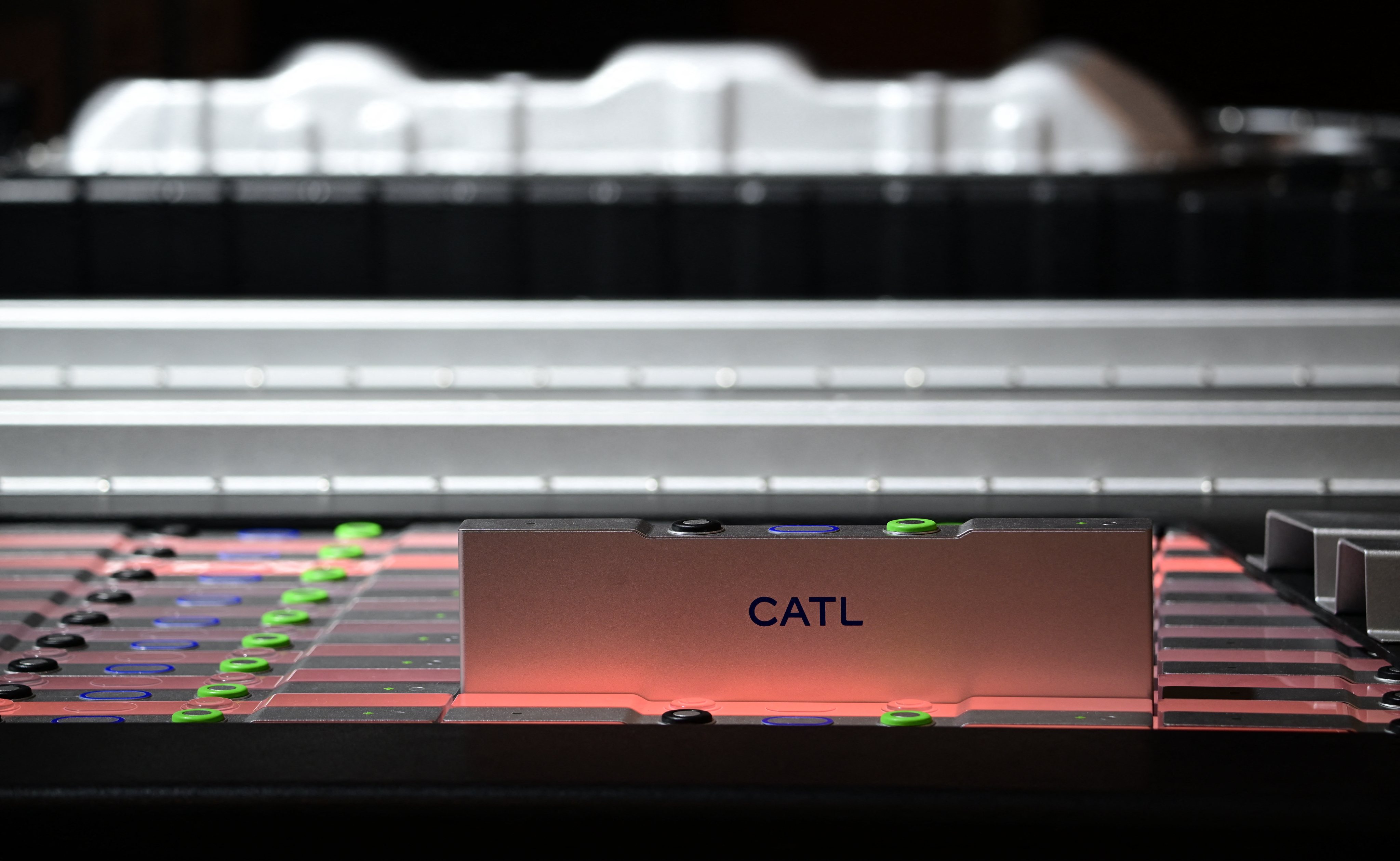
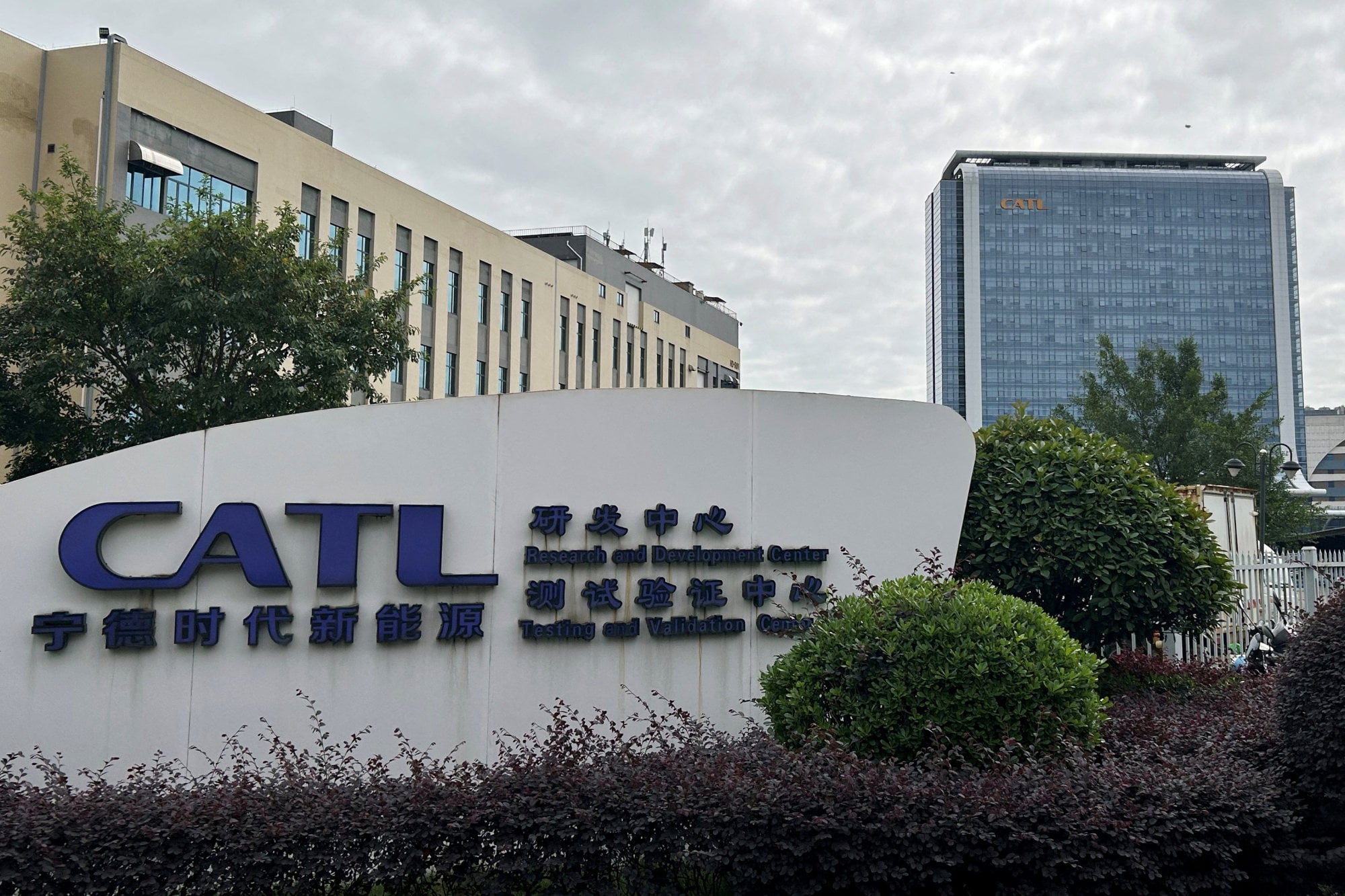
Contemporary Amperex Technology Ltd (CATL), China’s electric vehicle (EV) battery king, plans to earmark 30 billion yuan (US$4.4 billion) to establish a subsidiary to manage and expand mining assets, after the global energy shock paved the way for a quicker entry into the world’s automotive and energy storage system (ESS) markets.
The investment arm, in line with CATL’s long-term growth strategy, would integrate existing mining assets, pursue high-quality mineral projects at home and abroad, and safeguard supply of raw materials for the company’s core business, according to a filing to the Shenzhen Stock Exchange.
CATL, based in Ningde, east China’s Fujian province, reported a net profit of 20.74 billion yuan in the three months to March, the company announced on Wednesday. That figure was up 48.5 per cent from the previous quarter and beat a Bloomberg consensus estimate of 17.6 billion yuan.
“The battery behemoth has sniffed out huge growth opportunities looming ahead,” said Ding Haifeng, a consultant at Shanghai-based financial advisory firm Integrity. “It is making big investments into upstream mining resources to support its potential high growth.”
ESS comprises batteries alongside battery management, power conversion and control systems that store excess renewable energy, provide backup power during outages, and help stabilise electricity grids.
The Middle East crisis has propelled Brent crude more than 30 per cent higher to hover around US$100, prompting car buyers to shift from petrol vehicles to EVs while renewable energy projects mushroomed worldwide.
According to the GGII Energy Storage Research Institute, a Shenzhen-based consultancy, 19 Chinese battery producers it tracks planned to build new facilities that would be capable of producing more than 600 gigawatt-hours (GWh) of ESS batteries a year. One GWh of battery capacity can supply around 750,000 households for a year.
“The slumbering EV market in China will not stop CATL from improving its earnings as ESS becomes a new growth driver,” said Zhou Ling, a hedge fund manager at Shanghai Shiva Investment. “We bet the battery giant, banking on its global dominance, will keep attracting institutional and individual investors.”
China’s EV sales – including pure electric and plug-in hybrid vehicles – slumped more than 20 per cent year on year to 1.91 million units after government subsidies were rolled back and tax breaks phased out.
Analysts said the global decarbonisation drive and the rapid buildout of artificial intelligence computing centres would help CATL and Chinese peers like Gotion High-tech sustain growth in the coming decade.
Last month, China’s Ganfeng Lithium, the world’s largest lithium metal producer, said new power consumption scenarios such as data centres were driving constant demand for ESS.
In the first two months of 2026, CATL delivered 56.9GWh of batteries to EV assemblers, up 13.7 per cent on year. Its global EV market share rose to 42.1 per cent in January and February from 38.2 per cent a year earlier, according to Seoul-based SNE Research.
CATL reported a net profit of 72.2 billion yuan in 2025, up 42 per cent from a year earlier. That figure was only 8 per cent lower than the combined profits of China’s top four listed carmakers – BYD, Chery, Geely Auto and SAIC – which together earned 78.6 billion yuan.
Popular Products
-
 Wireless Health Tracker Smart Ring - R11
$131.56$65.78 -
 Electric Hair Straightener and Curlin...
$161.56$80.78 -
 Pet Oral Repair Toothpaste Gel
$59.56$29.78 -
 Opove M3 Pro 2 Electric Massage Gun
$901.56$450.78 -
 Portable Electric Abdominal Massager ...
$45.56$22.78