Class Notes: Teaching Tourism Through Community Voices
Recent news coverage of tourism worldwide has shown how prioritizing uncontrolled economic growth results in unsustainable visitor numbers in many destinations. Tourism as a development strategy often ignores the needs of residents—especially the less privileged—who often experience declines in quality of life including gentrification, displacement, and environmental degradation.
Teaching the Sociology of Tourism entails focusing not only on tourists, but also on host community members, who live in popular destinations but whose voices are often ignored in the planning process. In class, I often mention cases such as tours to Native destinations where White tour operators promote narratives based on stereotypes as well as so-called poverty tourism, in which wealthy visitors tour underserved areas in ways that are romanticized and disrespectful.
In such a context, how might a public sociology approach include the voices of the community in a Sociology of Tourism course? In my class, I engage with decolonial theories and strategies like guest speakers, collaborative modules, and in-class activities to do this. It is important to highlight that my class is a cross-listed Hospitality-Sociology course, which means that I constantly witness constructive dialogue between students who chose occupations in the tourism and hospitality industry and those who decided to undertake a sociological path.
Guest speakers
Having community members as guest speakers is fundamental to my approach. In my lectures on tourism in historically marginalized communities, I invite community members and partner organizations from Las Vegas’ Westside, which has historically been subject to redlining and racial segregation. Although the area experienced a cultural and economic resurgence in the mid-twentieth century—earning Jackson Street the nickname “The Black Strip”—it later experienced a decline, excluded from the city’s broader tourism economy because of systemic racism.
Westside community guests share with students their vision of the neighborhood’s future, with a focus on the strategies to prevent gentrification and displacement as well as maintain recognition as a Civil Rights and cultural tourism destination. This often leads to an engaging roundtable discussion on the importance of leveraging (often woman-led) Westside small businesses rather than allowing large corporations (such as hotel and restaurant chains) to exploit the area’s resources. Through interactive discussions, students are encouraged to reflect on participatory practices and the importance of including Westside residents’ voices in planning their own neighborhood.
Modules in collaboration
In the past few years, I have included modules on Indigenous tourism in my Sociology of Tourism courses, incorporating Native American communities’ voices, with a particular focus on how tourism can be a tool for empowerment. The first major “rehearsal” of this strategy was in October 2025, when, I taught a Zoom-based class live from the American Indigenous Tourism Conference in Choctaw, Mississippi, I taught a Zoom-based class to my students in Las Vegas. By inviting Native lecturers to join the call and intentionally keeping the conference space visible in the background, I gave students a real-life view of how this important conference operates. Following the success of this initiative, my Spring 2026 class includes three full modules in collaboration with the American Indigenous Tourism Association, with lectures led by Indigenous scholars, who also propose specific course materials.
In-class activities
Finally, I use role-play activities in the classroom when explaining community member inclusion in tourism development. I usually divide students into two groups and ask them to envision a public information meeting in which a group of developers (played by one group) presents a project, such as a resort, a theme park, or a stadium, to the residents (played by the other group). After the developers’ presentations, I invite the students playing the residents to ask questions, often focusing on key sociological topics, including community well-being and environmental protection. Sometimes I ask students to play local politicians as well, asking them to reflect on the role of public policies in these dynamics from an urban sociology perspective.
The discussions are engaging, and students gain firsthand insight into the complexity of tourism planning dynamics and their many sociological implications. At the end of the activity, I explain that what theythe students just did is exactly what happens in destinations that invest in participatory planning processes. When I invite guest speakers, who are often present at similar community meetings, I ask students to share their experience with this in-class activity with guest speakers, who are often present at real-life community meetings, and compare it with real-life examples, once again bringing community voices into the conversation.
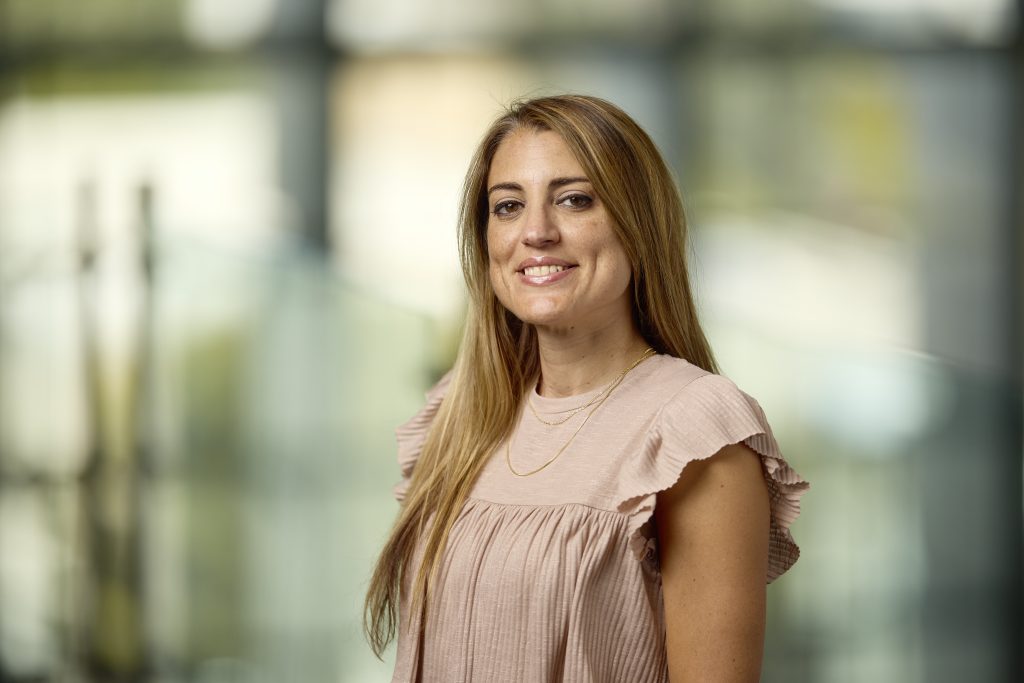
Marta Soligo is an Assistant Professor at the William F. Harrah College of Hospitality at the University of Nevada, Las Vegas. Undertaking a sociological approach, her research investigates the intersections of tourism, social justice, and community studies. Specific areas of focus include overtourism, film-induced tourism, dark tourism, immigrant labor in hospitality, and gambling studies. Soligo has presented her research at conferences hosted by prominent organizations, including UNWTO (World Tourism Organization) and ASA (American Sociological Association). Soligo also serves as Visiting Professor of Sociology of Tourism at the University of Bergamo (Italy). Contact her at: marta.soligo@unlv.edu
Popular Products
-
 Put Me Down Funny Toilet Seat Sticker
$33.56$16.78 -
 Stainless Steel Tongue Scrapers
$33.56$16.78 -
 Stylish Blue Light Blocking Glasses
$85.56$42.78 -
 Adjustable Ankle Tension Rope
$53.56$26.78 -
 Electronic Bidet Toilet Seat
$981.56$490.78