Corn Is The Taste Of Home
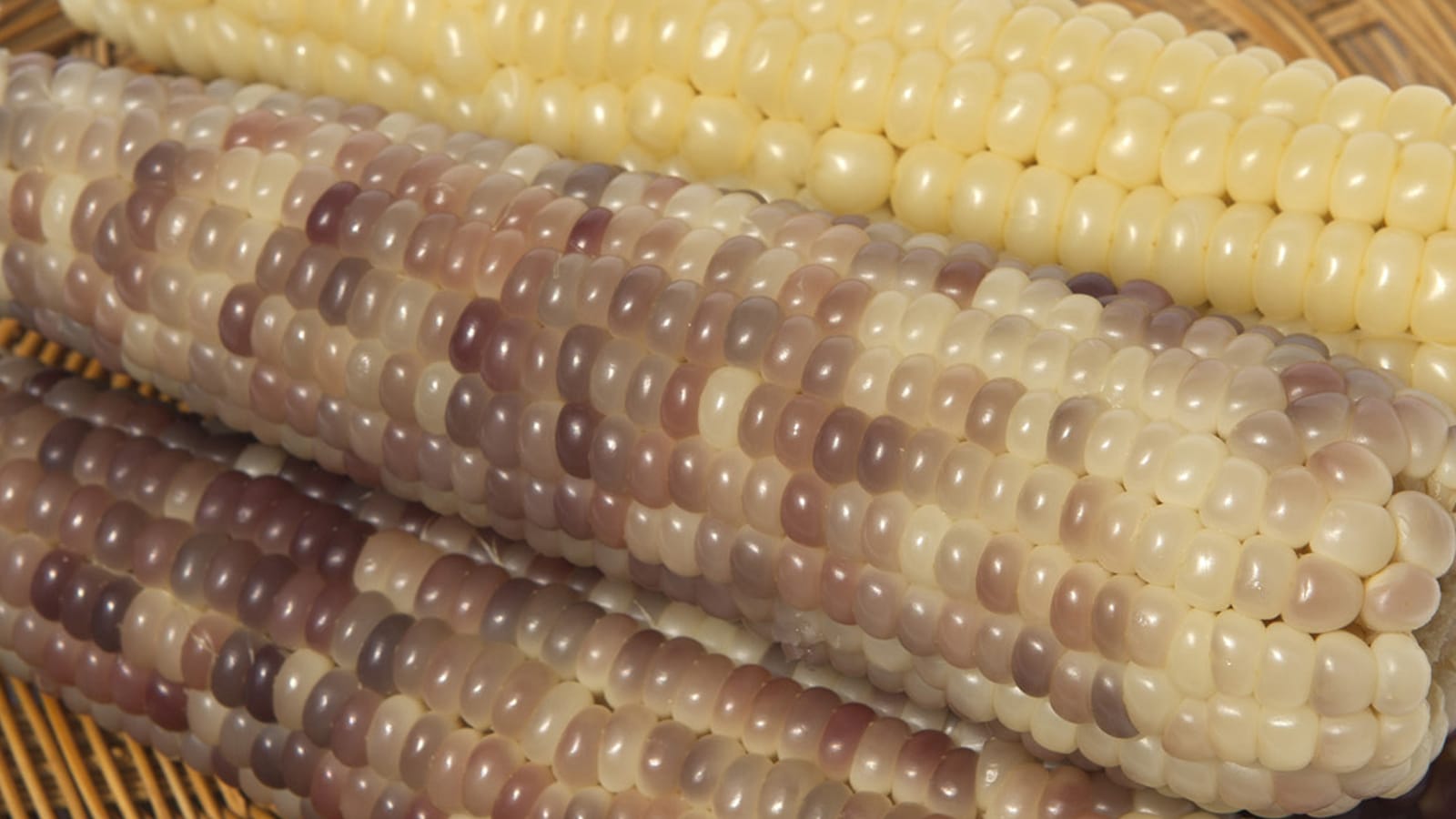
As a young boy growing up in Shao, in Nigeria, I lived a farm life. My father’s photography studio was his main business, and he had farms on the side. As a family, we grew most of what we ate; there were fields of maize, the yellow species, and guinea corn. My mornings, especially during the vacation from school, were spent helping him out with weeding and maintaining the farms. The joy of farming was always having fresh things to eat: corn, beans, and vegetables.
I returned to Shao from the States in July of 2020; despite the horror of the pandemic, my father had been able to grow an acre of yellow maize, mature enough to be cooked. Together with my sibling, Toyosi, we rode his old Shengzen motorbike to the farm. It had been a long time since I had been in communion with nature, so it was a memory dear to my heart as a returnee during the pandemic, after many months of painful isolation in the United States.
The corn my father grew can be cooked and salted, and you could just enjoy it like that. There are also corn vendors across different junctions who sell roasted corn, sometimes with ube (African purple pear). But the most delectable delicacy for me is when the corn is cooked with beans. This was my staple food during my undergraduate years because of its dietary benefits, its fiber richness, and its enduring power; as a poor student, I stayed loyal to affordable but rich food like this. As a migrant in the diaspora, maize is a gustatory and material memory in which the experience of home and belonging comes alive again. Maize is the grain in which I make sense of my father as a father, my weather memories of June to August, and what preserves my grandfather in my mind as the farmer from whom my father inherited his lands.
As a visiting scholar, I landed in Fayetteville, North Carolina during the American season of maize in August of 2018. Fayetteville showed me American beauty, but I also had to learn about the differences in American foods compared to Nigeria. There was only a single species of corn, it seemed: sweet maize. I had been anticipating eating corn; my landlady and I drove to Walmart and I got a small tray to cook, imagining that the taste of corn in Nigeria would be the same as that in America. I could not finish a cob because of the extra-honeyed taste of the maize. In Nigeria, maize is sweet too, but this sweetness was a different kind of vibe on my first encounter.
Popular Products
-
 Gas Detector Meter
$311.56$155.78 -
 Foldable Garbage Picker Grabber Tool
$93.56$46.78 -
 Portable Unisex Travel Urinal
$49.56$24.78 -
 Reusable Keychain Pepper Spray – 20ml
$21.56$10.78 -
 Camping Survival Tool Set
$41.56$20.78