Data: Your Edge For Aeo/geo
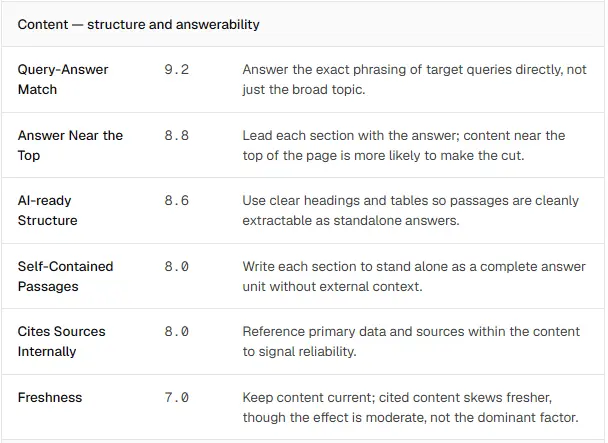
Key Takeaways
- AI systems are more likely to reference brands that present original research.
- Research suggests that where information appears on a page can influence its chances of receiving an AI citation.
- Clear formatting makes original findings easier for AI systems to identify and extract.
- Brands can apply this approach to blog posts as well as product and service pages.
- Proprietary data can strengthen a brand’s authority while creating new opportunities for AI visibility.
Original research gives brands something valuable in an increasingly crowded search landscape: information that isn’t available everywhere else.
That advantage may become even more important as AI search changes how people discover information. A recent Search Engine Land analysis of AI citations found that proprietary data can be a strong differentiator for brands seeking visibility in AI-generated answers.
The research also points to an important qualification: Unique information alone isn’t enough. AI systems were more likely to cite information when it appeared earlier on the page and was presented in a format that made it easy to identify and extract.
For marketers, this changes how original research should be approached. The value lies in both what you publish and how you present it.
What the Research Found About AI Citations
The research highlights two factors that can work together when brands publish original information. The first is having something unique to contribute. The second is making that information easy to find.
Original Data Gives AI Systems Something Unique to Cite
AI systems have access to an enormous amount of information. When the same statistics, explanations, and observations appear across numerous websites, individual pages can have a difficult time standing out.
Proprietary data gives brands an opportunity to offer something different. This can take the shape of:
- Original surveys (e.g., asking 1,000 homeowners about their home-buying journey)
- Audience research (e.g., most and least common homebuyer demographics, according to your CRM data)
- Internal studies (e.g., analysis of lead form data to present trends in average home loan amount requested over the last 20 years)
- Industry statistics (e.g., home loan interest rate trends during times of economic uncertainty)
When an AI system needs to answer a question related to that subject, unique findings give it a source that offers information beyond the standard answers already circulating online.
For content teams, this makes original research worth considering during the planning process. A page that contributes a new finding can offer more value than one that simply summarizes information already available on competing sites.
Where Information Appears Can Affect Its Visibility
The research also found that information appearing earlier on a page was more likely to receive an AI citation.
That finding gives marketers another factor to consider when organizing content. If an important statistic is buried several sections into an article, an AI system may have a harder time identifying it as one of the page’s key contributions.
This doesn’t mean every page should follow a rigid formula. It does suggest that important findings deserve prominent placement.
When a piece of original research is central to a page, introducing the finding earlier can make the information easier for both AI systems and readers to locate.
Why Content Structure Matters for AI Visibility
Publishing unique information is only part of the opportunity. The research also highlights the role that page structure plays in making that information accessible.
Make Original Findings Easy to Extract
An AI system needs to identify and interpret information before it can use that information in an answer. Clear, well-organized writing can make that process easier.
Consider a page containing an original statistic. Instead of making readers work through several paragraphs before reaching the finding, state the result clearly under a relevant heading. Then explain what the number represents, how it was collected, and why it matters.
This gives the statistic enough context to stand on its own.
The goal isn’t to create content specifically for machines. Good structure makes important information easier for everyone, especially your human readers, to understand.
Put Your Strongest Insights Near the Top
The findings also support a practical recommendation for content teams: consider bringing your strongest original insights closer to the beginning of the page.
NP Digital recommends surfacing important original statistics within roughly the first third of educational and commercial pages. This helps crawlers and readers find the most critical information early on.
The exact placement will depend on the page. A product page may need introductory information before presenting a research finding, while an educational article might be able to lead with the data.
The important point is to avoid hiding the information that makes your content distinctive.
How to Make Original Data More Visible in AI Search
The research provides a useful direction for content teams, but putting it into practice starts with looking at the information a brand already has. If we look at the examples below, we can see how proprietary data appears both on a brand site and in an AI overview citing it.
Find Opportunities for Proprietary Insights
Start by auditing existing content for topics that could benefit from original research. Look for pages that touch on trends, make claims, or target keywords that include phrases like “how many” or “how much.”
Customer research, surveys, internal studies, and product usage data can all provide useful fodder. Some of these insights may already exist within an organization but have never been published publicly.
There may also be opportunities to conduct original research to create new content. A study focused around an important industry question can produce findings that other websites don’t have.
The goal is to contribute information that adds value to the topic. Adding statistics simply to make a page appear more authoritative won’t create the same benefit.
Structure Data for Humans and AI Systems
Once you identify original information, look at how it is presented.
Use descriptive headings that tell readers what a section contains. State important findings clearly instead of making readers search for them. When a statistic needs additional context, provide that explanation close to the finding.
Schema markup gives AI systems another way to interpret your content beyond the visible text. Dataset schema helps identify original research as structured data. FAQ schema helps format question-and-answer content so AI systems can extract it directly.
Comparison tables also give AI systems a clear structure to work with. Instead of describing several data points across multiple paragraphs, a table presents categories, numbers, and time periods in one place. This makes the information easier to scan for readers and easier to extract for AI systems.
FAQs create another opportunity for direct citation. Framing a key finding as a question and answer offers a self-contained unit that AI systems can reference without interpreting surrounding paragraphs. Adding FAQ schema reinforces that structure at the code level, not just in the visible layout.
These practices support AI search while improving the reading experience at the same time. Readers can scan the page more easily, and AI systems have clearer information to interpret.
Apply the Strategy Beyond Blog Content
Original data doesn’t need to live exclusively in blog posts.
Product pages can incorporate relevant customer or usage research. Service pages can include industry findings that demonstrate expertise. Commercial pages can use proprietary statistics to provide evidence for the claims they make.
This is particularly important for pages that contribute directly to business goals. Hard numbers that prove the effectiveness of your product are much more likely to get someone to convert than a bit of clever copywriting.
As AI search becomes part of the discovery process, brands should consider whether their most valuable pages contain information that gives AI systems a reason to reference them.
Original Data Is Becoming an SEO Advantage
AI search is changing the value of information on the web.
AI systems can summarize information that has been published many times before. Original findings give brands an opportunity to contribute something less easily replicated.
That makes proprietary research a potentially valuable asset for both traditional SEO and emerging AI experiences. But the research discussed here suggests that publishing unique information is only part of the equation. The information also needs to be accessible.
In the AI era, unique data creates authority, but only structured content turns that authority into visibility.
The opportunity for marketers is to bring these ideas together. Find information your organization can uniquely contribute, then make those findings clear and easy to locate on the page.
That approach can give original research a longer life as search continues to change.
FAQs
What is proprietary data in SEO?
Proprietary data is information a brand has collected or produced itself that isn’t readily available from competing sources. It can include original research, customer insights, surveys, internal studies, and company-specific statistics.
Can original data improve AI citations?
Original data can give AI systems information that is difficult to find elsewhere. Research discussed by Search Engine Land found that unique information was more likely to receive AI citations when it appeared early on the page and was presented clearly.
Where should original data appear on a page?
Important findings should generally be placed where they are easy to find, particularly when they are central to the page’s purpose. NP Digital recommends considering the first third of educational and commercial pages for significant original statistics.
How should I structure content for AI search?
<
Make important findings easy to identify and understand. Use clear headings, state statistics directly, and provide relevant context close to the information. These practices also make pages easier for people to scan and navigate.
Conclusion
Original data gives brands an opportunity to contribute something unique to AI search. But having proprietary information doesn’t guarantee that it will be discovered or cited.
The research suggests that presentation matters. Important findings should be easy to locate, clearly explained, and placed prominently on the page.
Brands can start by auditing existing content for first-party insights and original research, then revisiting the structure of their highest-value pages. As AI search continues to influence discovery, combining proprietary data with clear content structure can give brands another way to build AI visibility while providing more useful information to their audiences.
If you want to strengthen your visibility in AI search, reach out to the NP Digital team to learn how original data, content strategy, and AI search optimization can work together to support your long-term growth.
Popular Products
-
 Gas Detector Meter
$311.56$155.78 -
 Foldable Garbage Picker Grabber Tool
$93.56$46.78 -
 Portable Unisex Travel Urinal
$49.56$24.78 -
 Reusable Keychain Pepper Spray – 20ml
$21.56$10.78 -
 Camping Survival Tool Set
$41.56$20.78