Digital Health 50: The Most Promising Digital Health Startups Of 2026
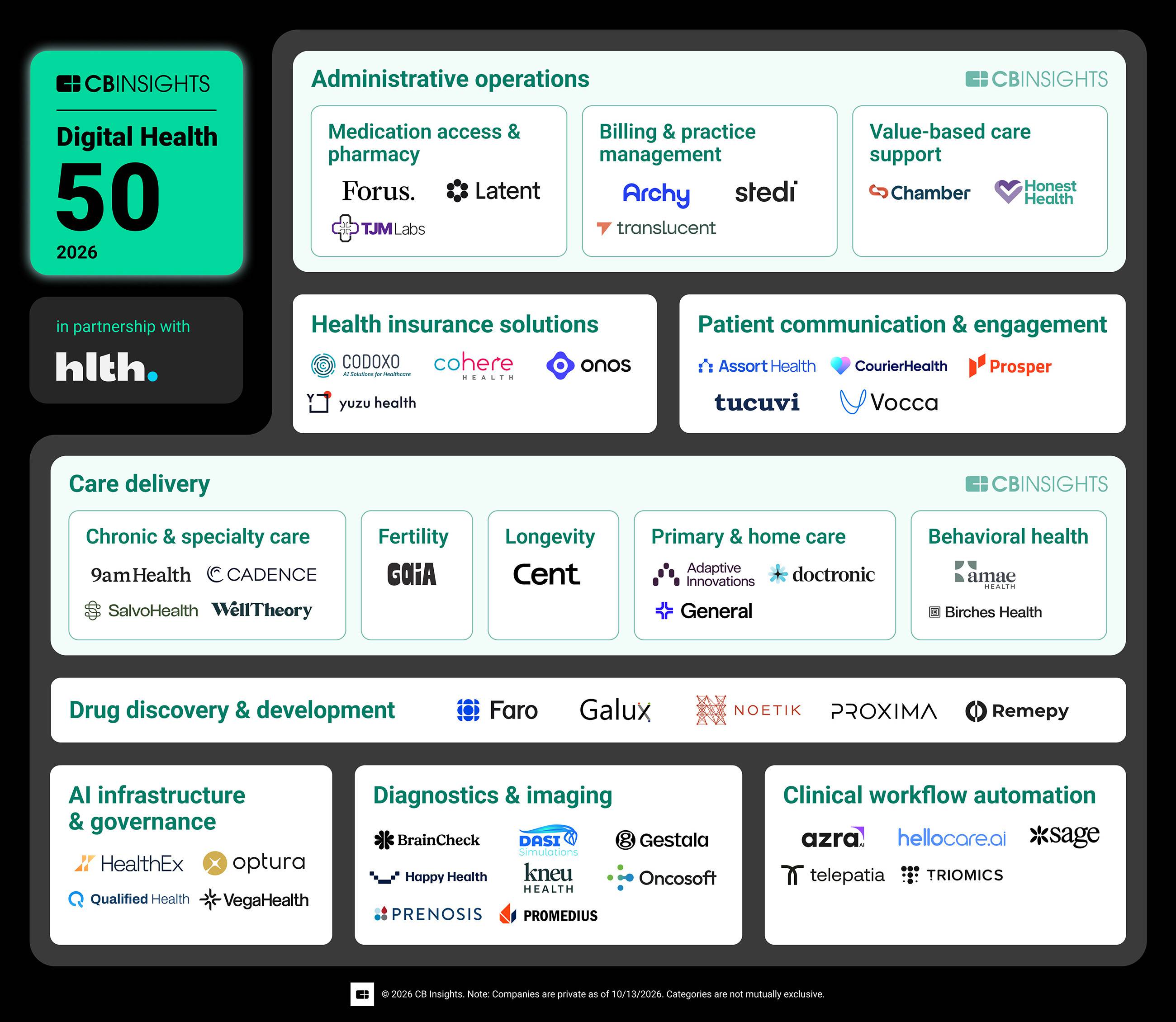
Care Delivery is the largest category, with 11 winners, including startups using AI and remote care to help clinicians serve more patients. Another 26 companies are tackling the administrative work, from insurance approvals to patient coordination, that takes time away from care. The remaining winners include diagnostic tools that speed cognitive screening and radiotherapy planning, alongside companies applying AI to drug development.
Below, we map the 50 winners across 8 categories based on their core offering, then explore three themes shaping this year’s list:
- AI is becoming the provider
- AI agents are getting medicines to patients
- Specialty care is moving beyond the appointment
DIGITAL HEALTH 50 2026
Download the eighth annual ranking of the digital health industry’s top 50 startups
Please click to enlarge.

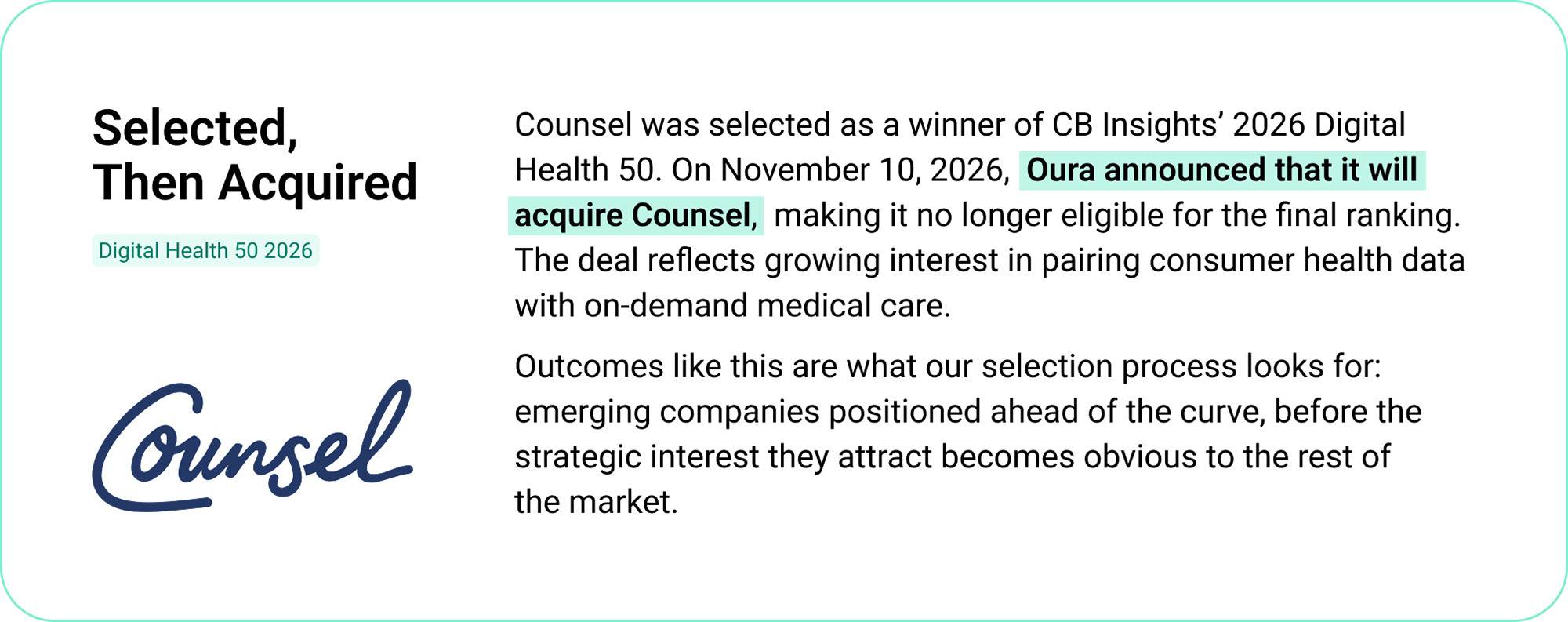
Methodology: Analysts selected 50 winners from 50K+ digital health startups ranging from pre-seed to Series C using deal activity, industry partnerships, investor strength, hiring momentum, revenue, and CB Insights’ predictive scores for success (Mosaic Score) and commercial traction (Commercial Maturity). We also analyzed Executive Interviews submitted directly to us by startups. Exited companies and late-stage digital health startups were excluded from consideration. Counsel was selected as a winner of CB Insights’ 2026 Digital Health 50. On November 10, 2026, Oura announced it will acquire Counsel, making it no longer eligible for the final ranking.
Key takeaways
1. AI is becoming the provider
Healthcare AI has largely focused on paperwork and helping clinicians make decisions. Several of this year’s winners are using it to do more of the clinical work itself, including assessing symptoms, monitoring patients, and recommending prescription renewals.
Companies developing AI-enabled treatment capabilities appear across Care Delivery, the largest category in this year’s Digital Health 50. Examples include:
Doctronic combines AI-powered symptom assessments with virtual physician care. Its Utah prescription-renewal pilot has drawn safety concerns, though early company-reported results show physicians agreed with 91% of AI-recommended renewals.
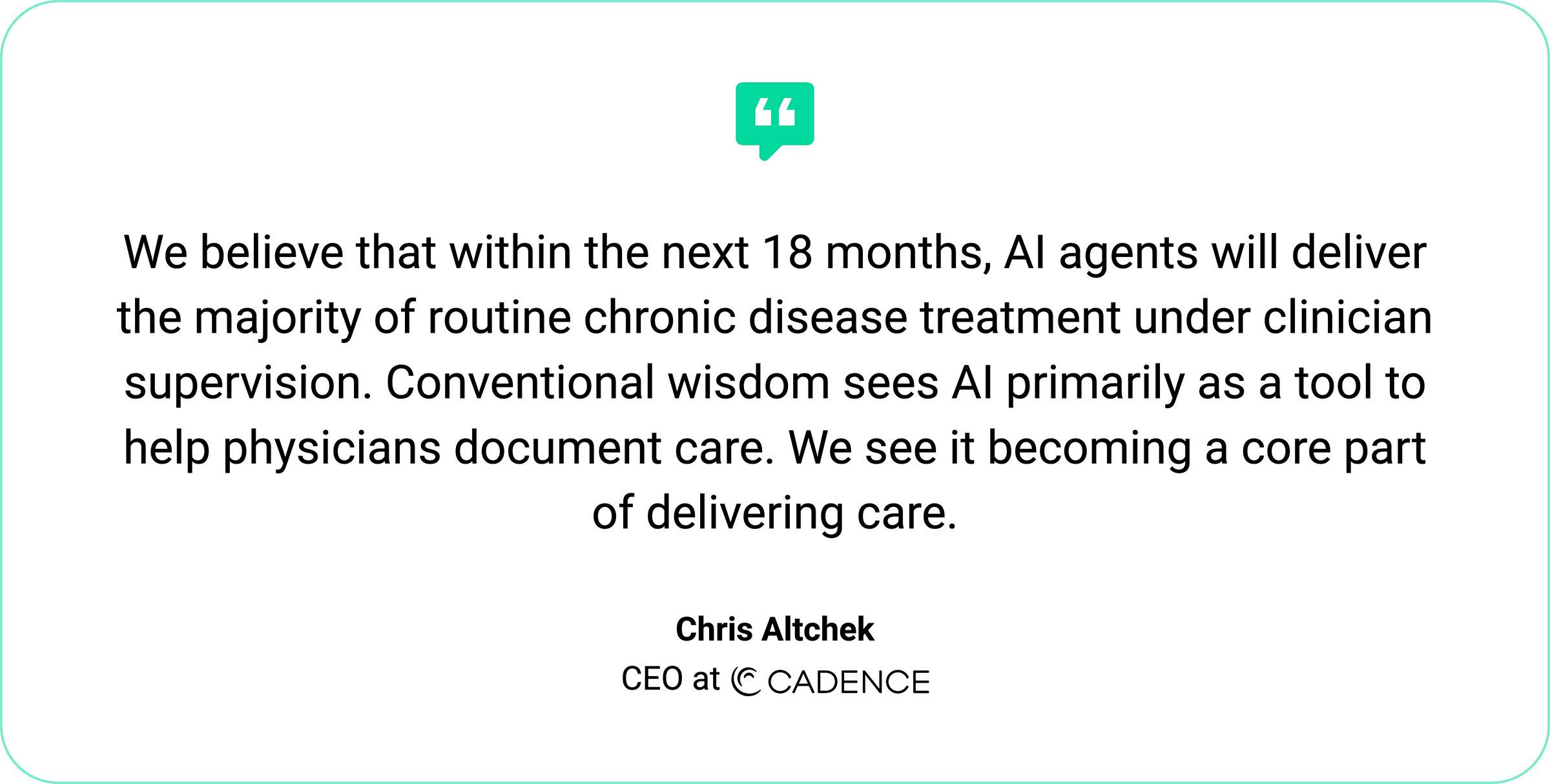
Cadence uses clinician-supervised AI agents to monitor patients and manage medications. Its April 2026 partnership with Memorial Hermann will continue to grow its footprint within senior care.
Tucuvi uses its voice AI agent, LOLA, to conduct clinical follow-up calls with patients and escalate concerns to care teams. LOLA became the first voice AI in Europe to receive Class IIb medical device certification, and it is deployed in more than 10% of Spain’s public hospitals.
Across a health system stretched thin by provider shortages, the appeal is being able to treat more patients with the clinicians already in place. How far that can go depends on both clinical results and what regulators allow AI to do under physician supervision.
2. AI agents are getting medicines to patients
As new therapies become more complex and costly, getting them to patients remains a challenge. Among 99 medicines launched between 2020 and 2024, an average of 65% of first-year prescriptions went unfilled, largely due to insurance rejections and patient abandonment.
Several 2026 Digital Health 50 winners are using AI to connect fragmented processes across the medication journey, from insurance authorization to pharmacy fulfillment and patient support. Examples include:
- Forus uses AI agents to coordinate insurance approvals, financial assistance, and pharmacy fulfillment. Its platform is free for providers and patients, funded by biopharma partnerships. It raised a $150M Series C at a $3B valuation.
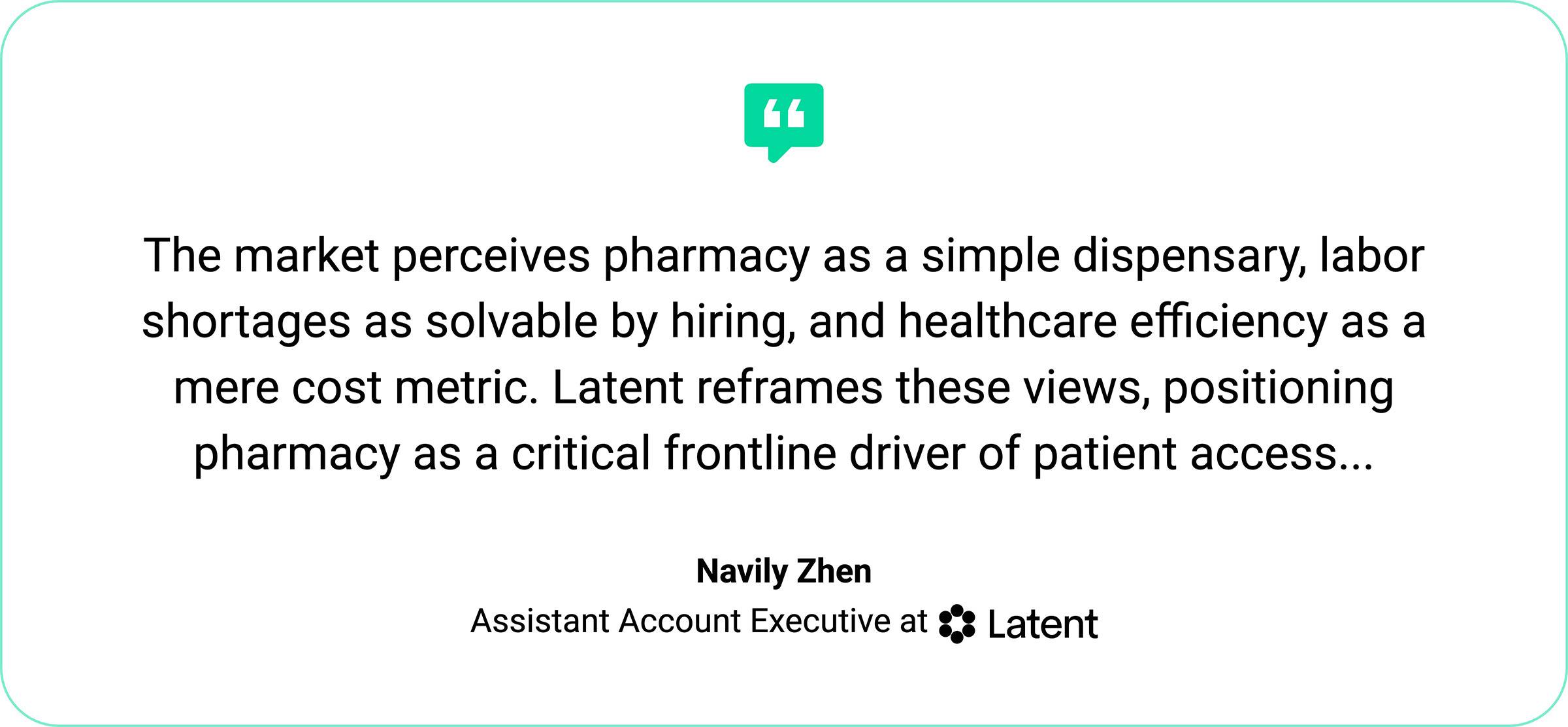
- Latent uses AI agents to automate medication authorizations and appeals and added Cleveland Clinic and AdventHealth as customers in September 2026.
- Courier Health connects patient support workflows across biopharma companies, pharmacies, and providers.
- TJM Labs automates prescription intake, refills, and pharmacy communications. Founded in 2024, it expanded into voice and data entry automation through its July 2026 acquisitions of Pharmesol and Encore Rx Automation.
Drugmakers have a direct financial stake in whether patients start prescribed therapies, making biopharma an important customer for medication access technology. Pharmacies are central to making those investments effective, yet their role is often overlooked.
3. Specialty care is moving beyond the appointment
Last year’s Digital Health 50 emphasized expanding access to specialists. In 2026, winners are focused on improving what happens between appointments, using continuous, multidisciplinary care to deliver better outcomes and reduce costly hospital visits. New Medicare payment models are reinforcing this shift by tying reimbursement to clinical results. Examples include:
- Chamber helps cardiologists manage heart failure patients through value-based care arrangements.
- Salvo Health brings dietitians, therapists, and nurses into community GI practices to provide continuous care between visits.
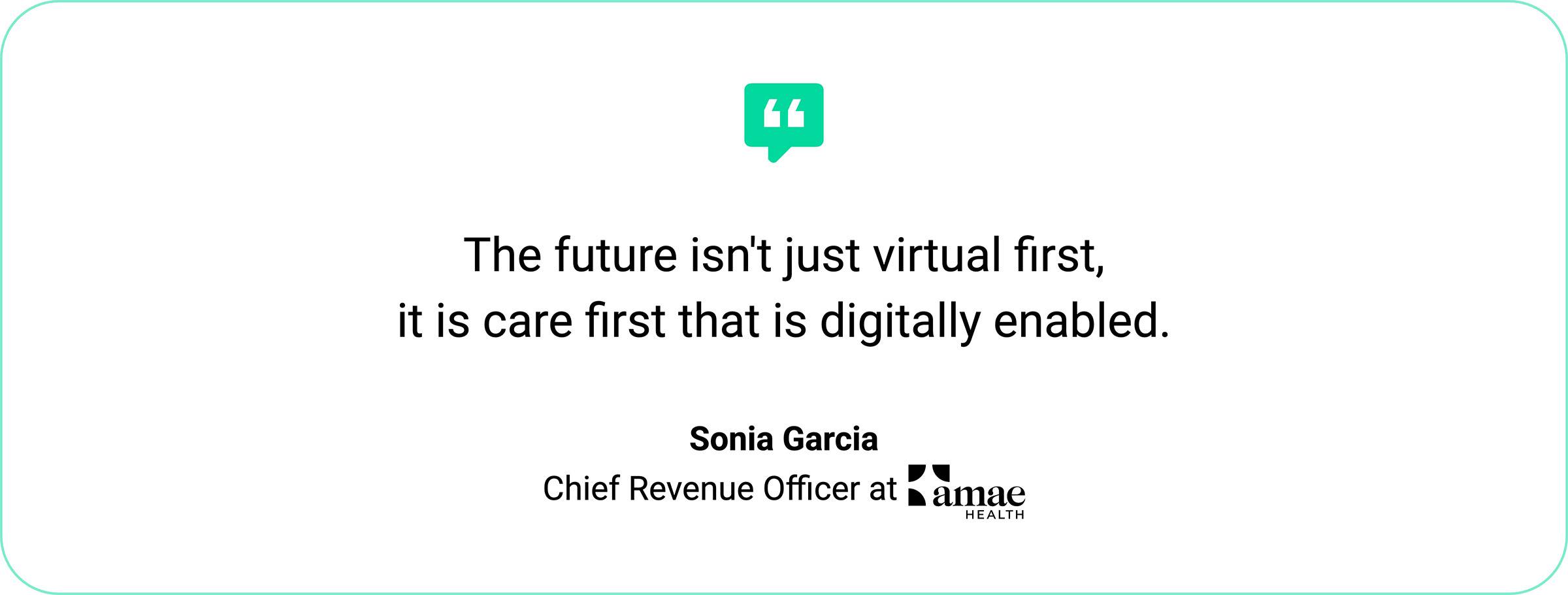
- Amae Health coordinates psychiatry, primary care, and social services for patients with severe mental illness following hospitalization.
- Cadence combines daily remote monitoring with clinician-led chronic care and medication management. Its affiliated medical groups were accepted into Medicare’s outcomes-based ACCESS model.
Fee-for-service reimbursement has historically made it difficult to pay for care between appointments, even when that work helps prevent hospitalizations. New outcomes-based payment models give specialty providers a stronger business case for delivering it.

The 2026 Digital Health 50 by the numbers
This year’s winners:
- Raised $3.5B in equity funding, including $2B in 2026 so far
- Disclosed 91 partnerships since 2025, including with industry leaders like Mayo Clinic, Siemens Healthineers, and Merck
- Include 21 early-stage startups and 10 which were founded in the last two years
- Employ 6,000+ people, with a median headcount of 85 across the cohort
- Rank among the top 10% of private companies globally for overall health and growth potential (by Mosaic Score)
*Data as of October 29, 2026.
2025 Digital Health 50 winners: Where are they now?
In the nearly 12 months since we published last year’s list, the winners have:
- Raised $1.43B across 12 new equity funding rounds
- Disclosed 74 partnerships, including with industry leaders like Anthropic and Jefferson Health
- Recorded 1 exit: Zocdoc’s acquisition of Sohar Health
- Employed over 11,000 people, with a 34% median 12-month headcount increase
C-suite executives can take CB Insights’ 10-minute survey to share their perspective on their market, where it’s headed, and what sets their company apart. Responses will be published on CB Insights, reaching thousands of technology buyers and investors, with the opportunity to be featured in CB Insights research.
For information on reprint rights or other inquiries, please contact reprints@cbinsights.com.
The post Digital Health 50: The most promising digital health startups of 2026 appeared first on CB Insights Research.
Popular Products
-
 Classic Oversized Teddy Bear
$23.78 -
 Gem's Ballet Natural Garnet Gemstone ...
$171.56$85.78 -
 Butt Lifting Body Shaper Shorts
$95.56$47.78 -
 Slimming Waist Trainer & Thigh Trimmer
$67.56$33.78 -
 Realistic Fake Poop Prank Toys
$99.56$49.78