Everyone Wants To Work In Ai. Here’s What They’re Getting Wrong.
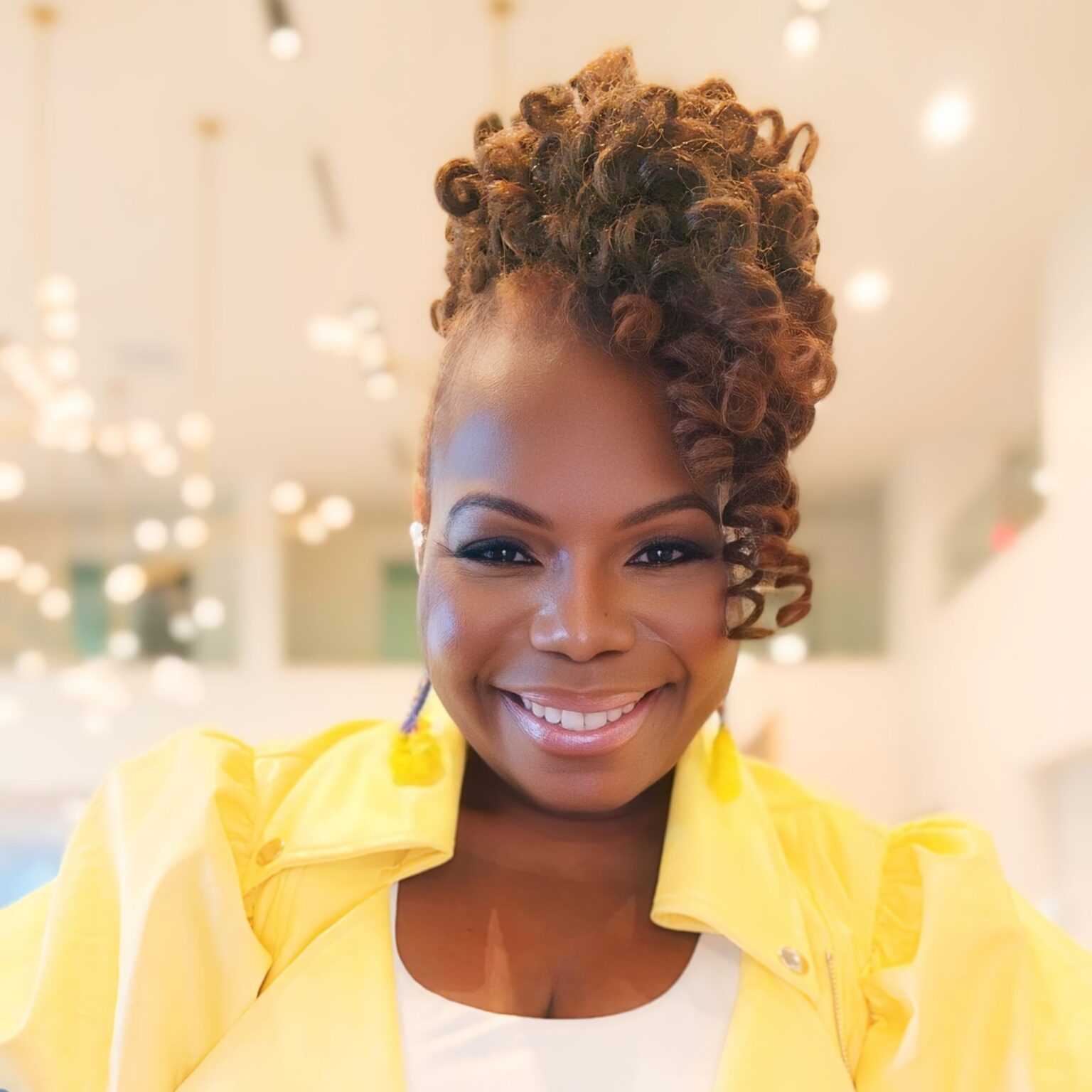
The future belongs to professionals who pair deep domain knowledge with AI fluency — and who understand that responsibility isn’t a barrier to innovation but the foundation of trust, according to Diya Wynn of Amazon Web Services.
Diya Wynn has spent more than 25 years at the forefront of major technology shifts, from the early internet and e-commerce to cloud computing and artificial intelligence. As principal of responsible AI and public policy at Amazon Web Services, Wynn helps organizations navigate the risks, ethics and real-world impacts of AI while working with policymakers on emerging regulations.
A trusted adviser, author and international speaker, Wynn was named one of Business Insider’s top people in enterprise AI and is widely recognized as a leading voice on responsible innovation. Her journey from the Bronx to the boardroom continues to shape her mission of ensuring AI advances both technology and society.
Wynn will speak on a panel at Ragan’s upcoming virtual AI Communications Conference, sharing how responsible AI principles can guide better decisions and what comms should do when issues arise.
You’ve described your journey as going from the Bronx to the boardroom. What lesson from your early years still guides you today?
I’m reminded of going to boarding school in Connecticut at 13. People had an immediate impression of me because I was from the Bronx. I could feel it in how they first saw me, how they first approached me. And while I understand we all carry initial perceptions and biases, what that experience taught me was the importance of interrupting them long enough to give people a real chance. Something good can come from the unexpected.
What tips would you give someone who wants to build a career in AI but doesn’t have a technical background?
My background is in computer science, so I came in through that door. But not everyone has to be a computer scientist or data scientist; making that transition by leveraging training, certification, and AI is an option. The other is recognizing that AI is being leveraged and integrated within virtually every industry. Ask yourself: what’s your domain, what’s your area of passion? Then find where AI is showing up there. AI still needs the people who deeply understand healthcare, law, education, finance, communications, criminal justice and creative arts…
The technology needs human expertise to be applied responsibly and effectively in any of those contexts. You don’t abandon what you already know. You bring it with you and let it be the lens through which you engage with AI. That combination, domain depth plus AI fluency, is exactly where some of the most important work is happening right now.
How do you balance innovation with responsibility when it comes to AI?
I’d say balance isn’t the objective. Innovation and responsibility are in tension in the sense that innovation asks “What can we build?” while responsibility asks “What should we build, and at what cost?”
I believe AI should help solve problems, drive productivity, and create real value. But those benefits should never come at the expense of people’s well-being, rights, or livelihoods. When you stay close to that standard, innovation doesn’t slow down. Responsibility becomes the foundation of trust at scale. Responsible AI isn’t a constraint on innovation. It’s what makes innovation we can trust.
What’s the most exciting AI development you’re watching right now?
AI development and use across the African continent. Specifically, the rise of small-scale models that don’t require the same resources as the giants to deliver meaningful benefits. In environments shaped by real infrastructure and access constraints, that shift matters. It’s proof that meaningful AI doesn’t have to mean massive AI.
What’s the best book you’ve read recently?
I’m going to give you two books:
“The Overseer Class” by Steven W. Thrasher and “You Are Before the World” by Tara Jaye Frank.
If you could leave readers with one piece of advice about navigating change and uncertainty, what would it be?
Change is certain, even when clarity is not. What you can control is how you prepare to meet it. And you do not have to do that alone. We were meant for community, so find your people and lean on them.
Don’t miss Diyas’s insights on managing AI risks and governance at Ragan’s virtual AI Communications Conference on July 22. Register now.
Isis Simpson-Mersha is a conference producer/ reporter for Ragan. Follow her on LinkedIn.
The post Everyone wants to work in AI. Here’s what they’re getting wrong. appeared first on PR Daily.
Popular Products
-
 Electric Toothbrush & Water Flosser S...
$43.56$21.78 -
 Foldable Car Trunk Multi-Compartment ...
$329.56$164.78 -
 Mommy Diaper Backpack with Stroller O...
$111.56$55.78 -
 Ai Dash Cam with Front & Rear HD, GPS...
$295.56$147.78 -
 Smart Auto-Recharge Robot Vacuum Cleaner
$613.56$306.78