Hong Kong And Singapore Property Shrug Off Fund Tax Breaks
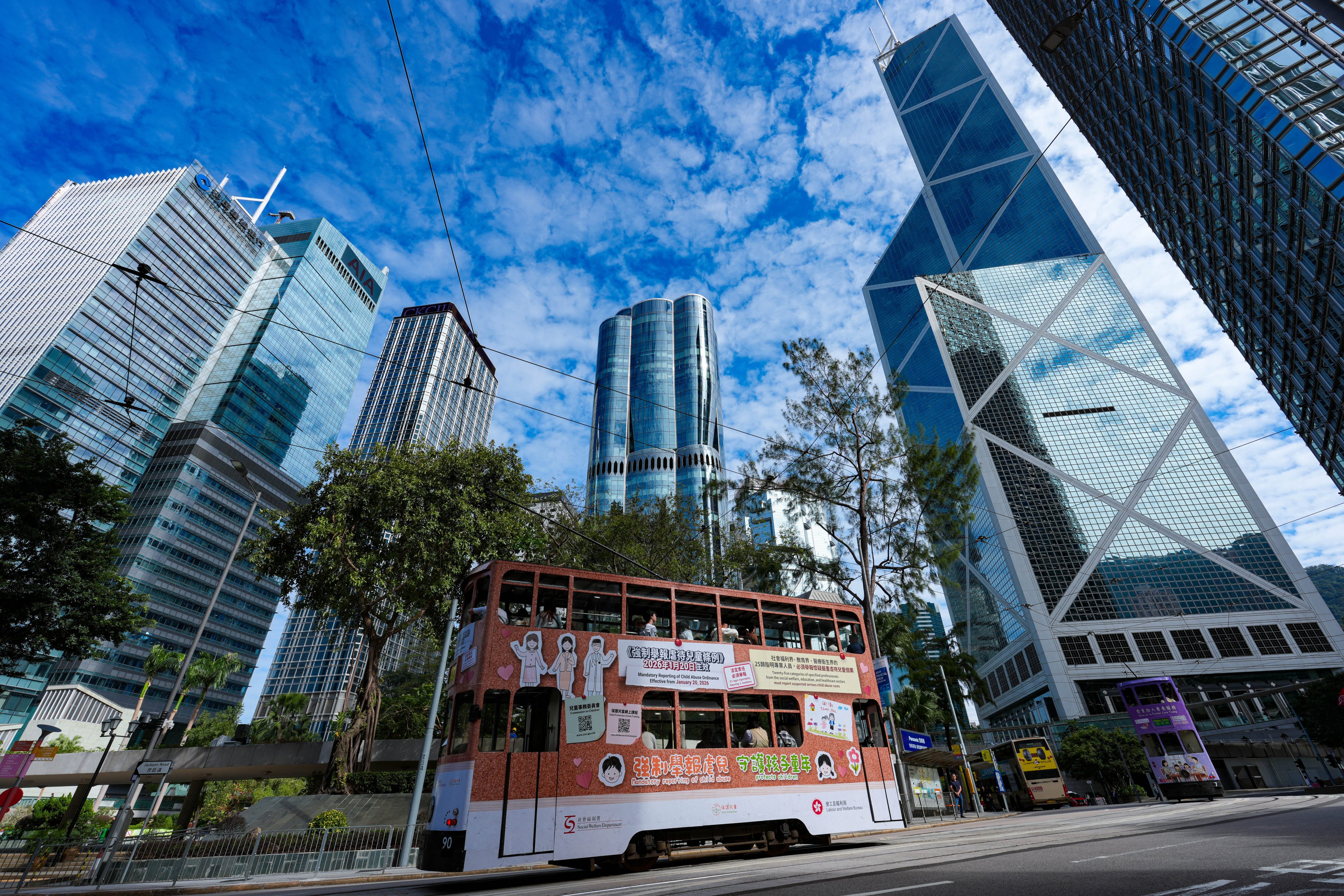
The long-standing rivalry between Asia’s two leading financial centres is heating up. As Hong Kong and Singapore compete harder for investment talent, tax incentives for fund managers have emerged as the new battleground.
A government bill working its way through Hong Kong’s Legislative Council would result in sweeping changes to tax rules on carried interest. The legislation, which is expected to be approved later this year, would offer preferential tax treatment to a wider range of alternative investment groups.
The move by Hong Kong prompted a swift response from Singapore. On August 19, Singapore’s central bank announced a package of measures designed to enhance the appeal of the asset management industry, including a proposal that would exempt a share of profits made by fund managers when they deliver strong returns for investors in qualifying funds.
Wall Street banks are already assessing the broader implications of the reforms. In a report on July 31, Citigroup said the changes to Hong Kong’s preferential tax regime were “a structural catalyst for capital and talent inflows into [Hong Kong]” that would support demand in the real estate market.
If 3 per cent of fund managers from mainland China and Singapore relocated to Hong Kong, creating 1,500 new asset management positions, the grade A office market in Central, Admiralty and West Kowloon would benefit from 150,000 sq ft of additional take-up. In the housing market, demand for high-end homes would increase by 2 per cent if the relocations occurred within a year, Citigroup said.
That said, tax competition is not a key determinant of the performance of Hong Kong’s real estate market. “The read-across to the property market is not that clear,” said Cathie Chung, senior director of research at JLL in Hong Kong. The rivalry between Hong Kong and Singapore has had little bearing on the fundamentals of both cities’ property sectors.
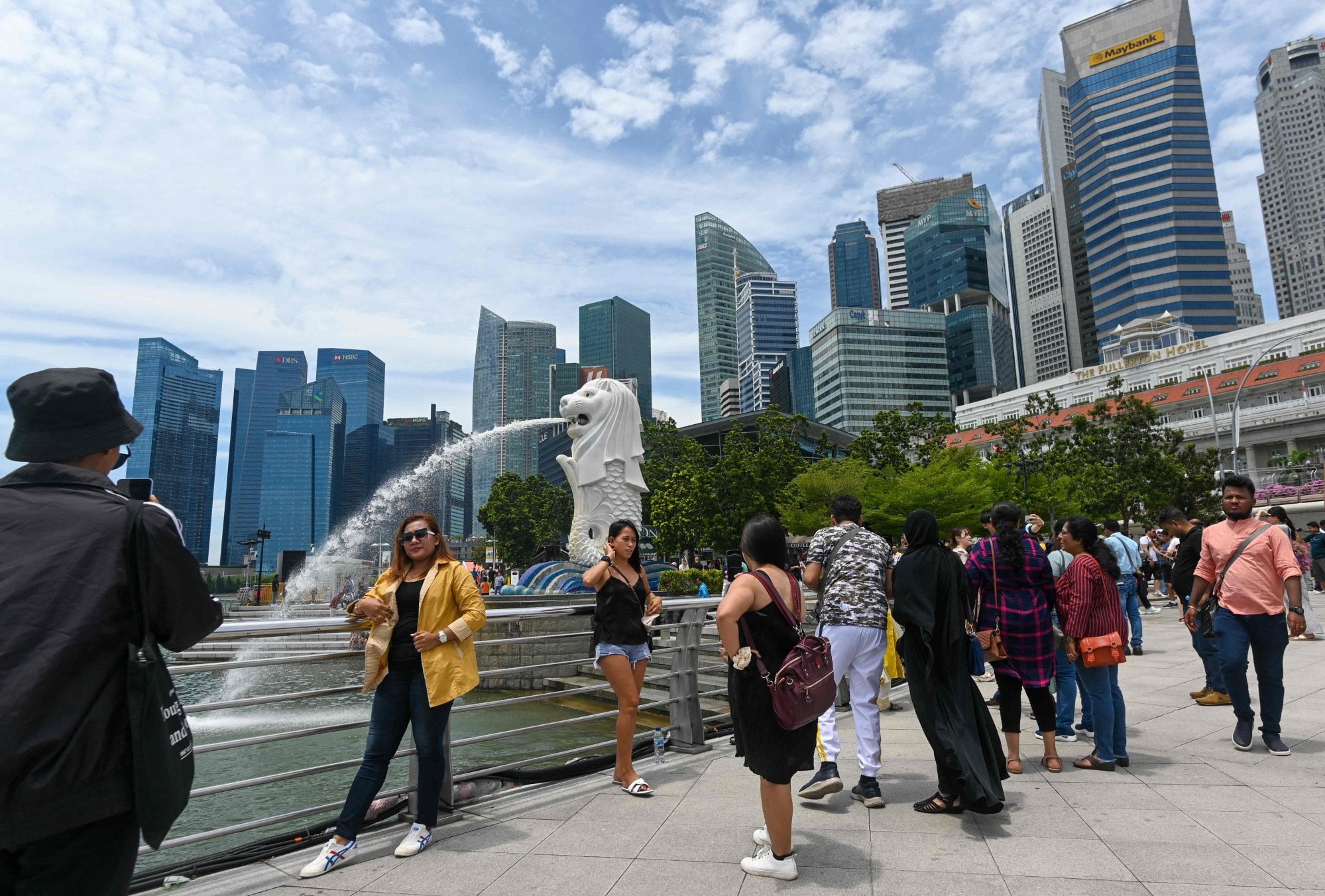
The heavy influence of mainland China on Hong Kong’s economy, Singapore’s safe-haven status, the vastly different supply-demand dynamics in both markets, the importance of domestic demand in Singapore’s housing market and a much more decentralised office market in Hong Kong have proved far more consequential.
Already in the first quarter of this year – before the launch of Hong Kong’s tax reform – Hong Kong was the second-most actively traded market for residential properties above US$10 million among 12 “super-prime” housing markets tracked by Knight Frank.
Mainland buyers accounted for nearly half the value of new home sales in the two years following the removal of property cooling measures in February 2024, according to Midland Realty data. Tellingly, concerns about Beijing’s clampdown on outbound investment, which could constrain mainland buyers’ ability to fund property purchases in Hong Kong, contributed to the sudden fall in the city’s home prices in July.
Conversely, there is little sign that competition with Hong Kong has had an effect on Singapore’s residential market. In the first half of this year, Singaporean citizens and permanent residents accounted for about 90 per cent of luxury home sales in the city’s core central region. When the stamp duty for foreigners buying any residential property was doubled to 60 per cent in 2023, the collapse in overseas purchases only accentuated the importance of domestic demand.
In fact, speculative activity in Singapore’s public housing system – which houses 80 per cent of Singaporeans – has been a source of concern. The number of second-hand flats resold for at least S$1 million (US$786,000) rose to a record high last quarter despite a slowdown in the broader market.
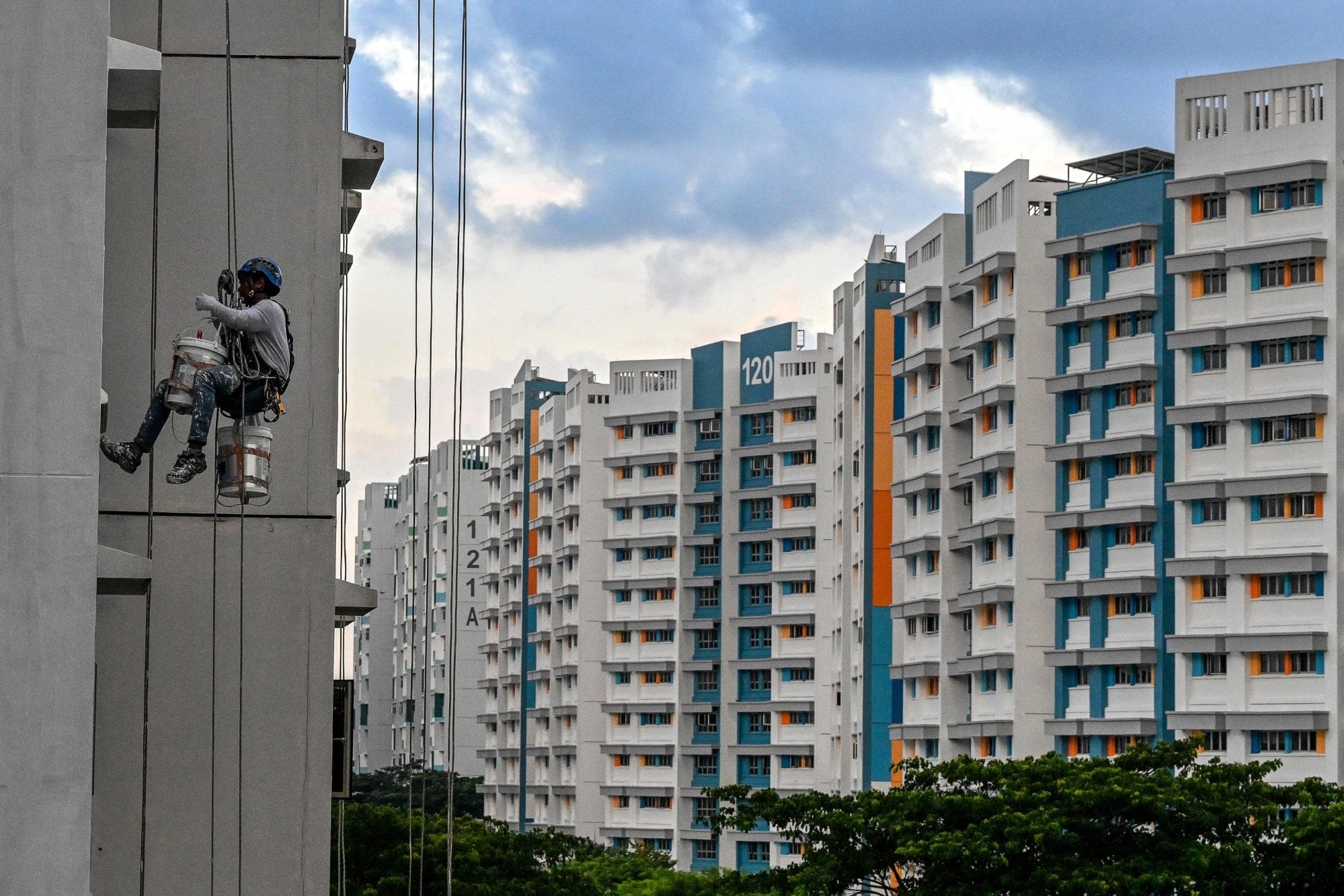
In the office sector, structural differences far outweigh the impact of competition for capital and talent. In Hong Kong, non-core districts account for more than a third of the city’s office stock. The combination of the steep fall in rents in core locations, a surge in supply in decentralised areas and strong demand for premium buildings in the central business district has led to an unbalanced recovery.
In Singapore, by contrast, the office stock is concentrated in the city’s central business district. Tight supply has contributed to record low vacancy rates for grade A offices. Even grade B buildings are experiencing rental growth. “No greenfield office sites were sold since 2017 in an effort to redevelop the CBD,” said Tricia Song, head of research for Southeast Asia at CBRE.
In the two cities’ commercial property investment markets, safety and liquidity are the key factors. Among the leading cities in the Asia-Pacific, Singapore was the second-most actively traded market after Tokyo in the first half of this year, according to MSCI data.
Cross-border investors have accounted for the bulk of deals this year, with volumes on course to reach a record high for the year as a whole. Investors are drawn to Singapore’s “safe-haven status [and] robust supply of investment-grade assets,” CBRE said.
While tax exemptions for fund managers are a big deal for the asset management industry, they are a sideshow to the forces driving property markets in Hong Kong and Singapore.
Popular Products
-
 Adjustable Shower Chair Seat
$107.56$53.78 -
 Adjustable Laptop Desk
$91.56$45.78 -
 Sunset Lake Landscape Canvas Print
$225.56$112.78 -
 Adjustable Plug-in LED Night Light
$61.56$30.78 -
 Portable Alloy Stringing Clamp for Ra...
$119.56$59.78