Hong Kong Can Drive ‘china Opportunity 2.0’ Push For Global Growth: Paul Chan
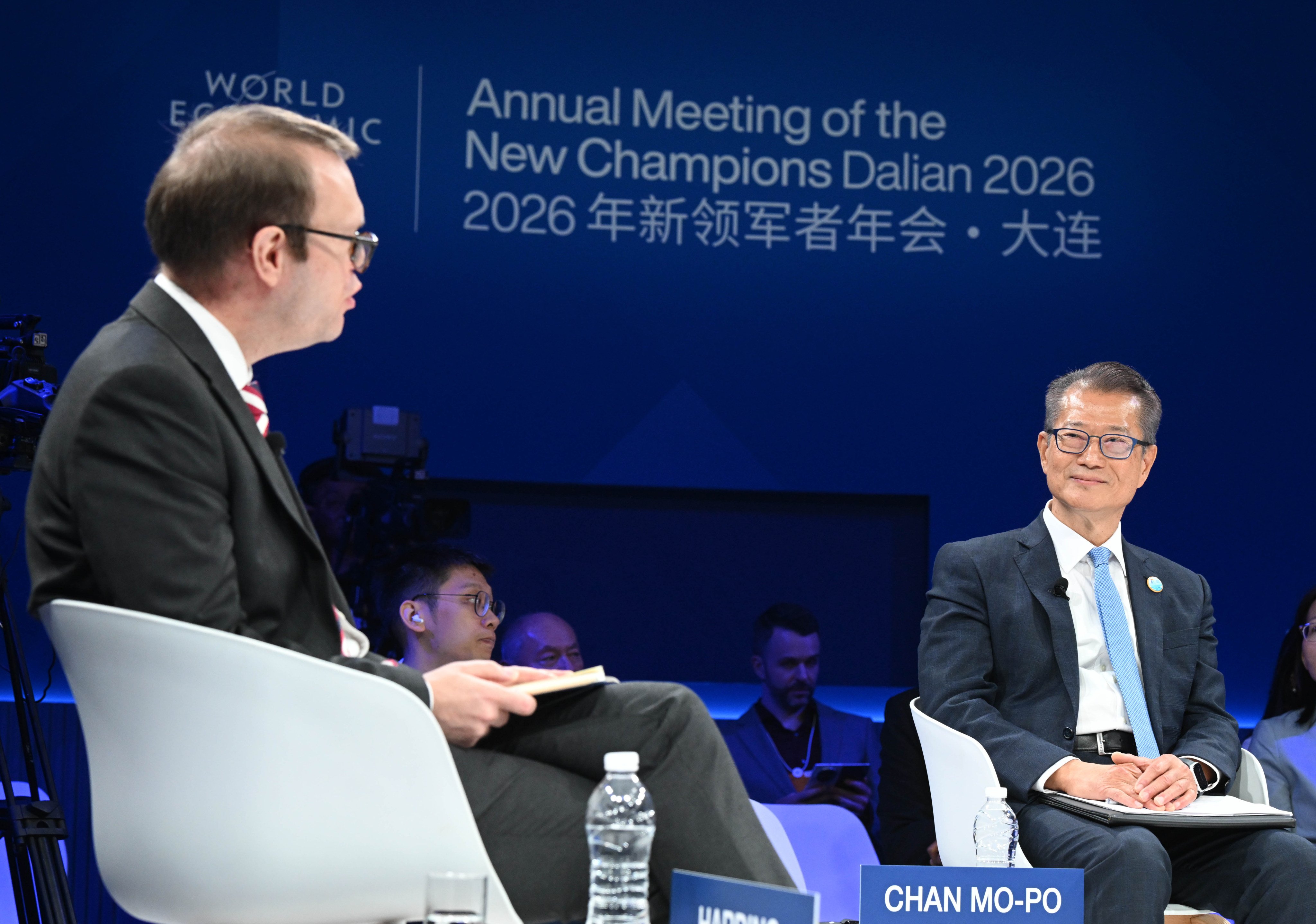
Hong Kong is uniquely positioned to add value to Beijing’s “China Opportunity 2.0” narrative, serving as a bridge and catalyst for the global expansion of mainland Chinese enterprises, the city’s finance chief has said.
Financial Secretary Paul Chan Mo-po also named the Northern Metropolis megaproject in his weekly blog on Sunday as a destination that would empower Chinese firms to commercialise their research outcomes and deepen technological development of both sides.
“In the face of the complicated global geopolitics, the country is creating ‘China Opportunities 2.0’ with its mega-size market and innovation technology,” he said.
“Hong Kong’s international, financial, talent and institutional advantages under the ‘one country, two systems’ arrangement serve to transform these prospects into development opportunities that are more readily understood and accessible to overseas investors, thereby converting technological strength into asset value recognised by global capital.”
Chan’s remarks were made after he attended the World Economic Forum’s Annual Meeting of the New Champions, also known as Summer Davos, in northeastern China’s Dalian last week. He also visited the northwestern Chinese city of Xian to attend an event on the commercial aerospace industry.
At Summer Davos, Chinese Premier Li Qiang raised the concept “China Opportunity 2.0” for the first time, which was reframed from “China Shock 2.0”, a term adopted in the West to describe the influx of Chinese goods to global markets after the pandemic, and its strategic reorientation to focus on self-sufficiency.
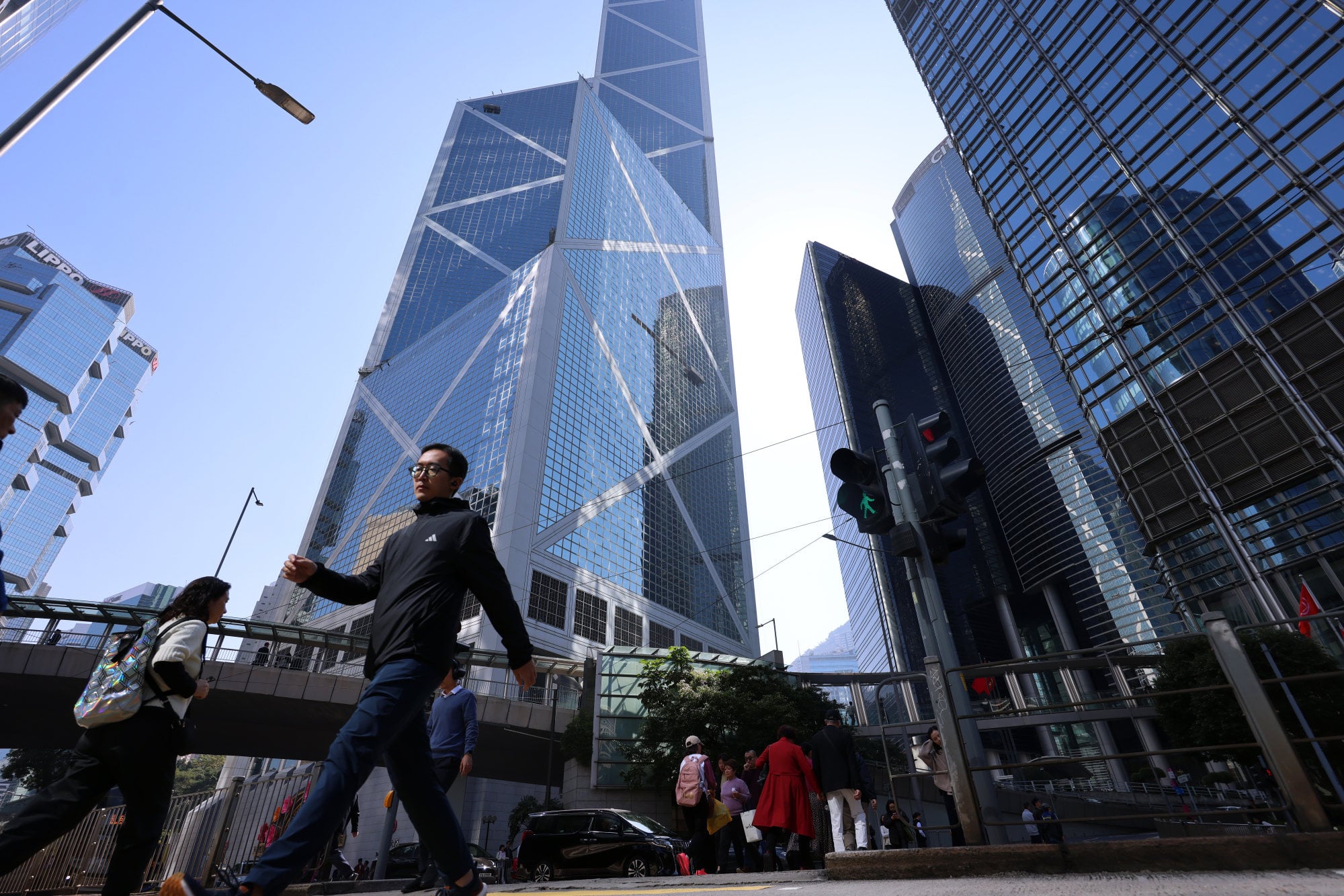
At the event, Li said China’s technological and trade advancement served as an opportunity rather than a shock to the world, and was a catalyst for global growth.
Reflecting on his mainland trip, Chan said he had a deeper understanding of Hong Kong’s role in China’s “dual circulation” strategy.
“We are not only an important channel for attracting business and investment, but also a crucial link for mainland enterprises and products to go global, as well as a ‘super converter’ of standards and rules between technological innovation and international markets,” he said.
Chan also highlighted Hong Kong’s role as a “super converter” to China, in addition to existing roles as a “superconnector” and a “super value-adder” to the country.
First introduced in 2020, the dual circulation strategy refers to China’s strategy to focus on domestic sufficiency, while continuing to expand its export presence.
Elaborating on his proposition, Chan said many mainland enterprises were blessed with strong research and development capabilities, but face challenges in client network expansion, branding, and standard conversion when they try to enter overseas markets. These gaps, according to Chan, are where Hong Kong can help.
“Currently, expansion into overseas markets has become a sustainable development strategy for mainland firms,” he said, adding that mainland entrepreneurs he spoke to had commonly expressed hopes for attracting international funds to support their global expansion.
“Other than the actual needs for funds, they are hoping to enhance their global visibility, credibility and attractiveness for talent by introducing international investors,” Chan said.
He also said the government’s Northern Metropolis megaproject, home to a new university town, would become a launch pad for pooling global talent and enterprises, hoping to create a self-sustaining cycle of education, technology and industry.
The megaproject involves turning 30,000 hectares of Hong Kong land bordering the mainland into a technological and housing hub.
Popular Products
-
 Devil Horn Headband
$25.99$11.78 -
 WiFi Smart Video Doorbell Camera with...
$61.56$30.78 -
 Smart GPS Waterproof Mini Pet Tracker
$59.56$29.78 -
 Unisex Adjustable Back Posture Corrector
$71.56$35.78 -
 Smart Bluetooth Aroma Diffuser
$585.56$292.87