Hong Kong’s Education Hub Cannot Be A One-market Wonder
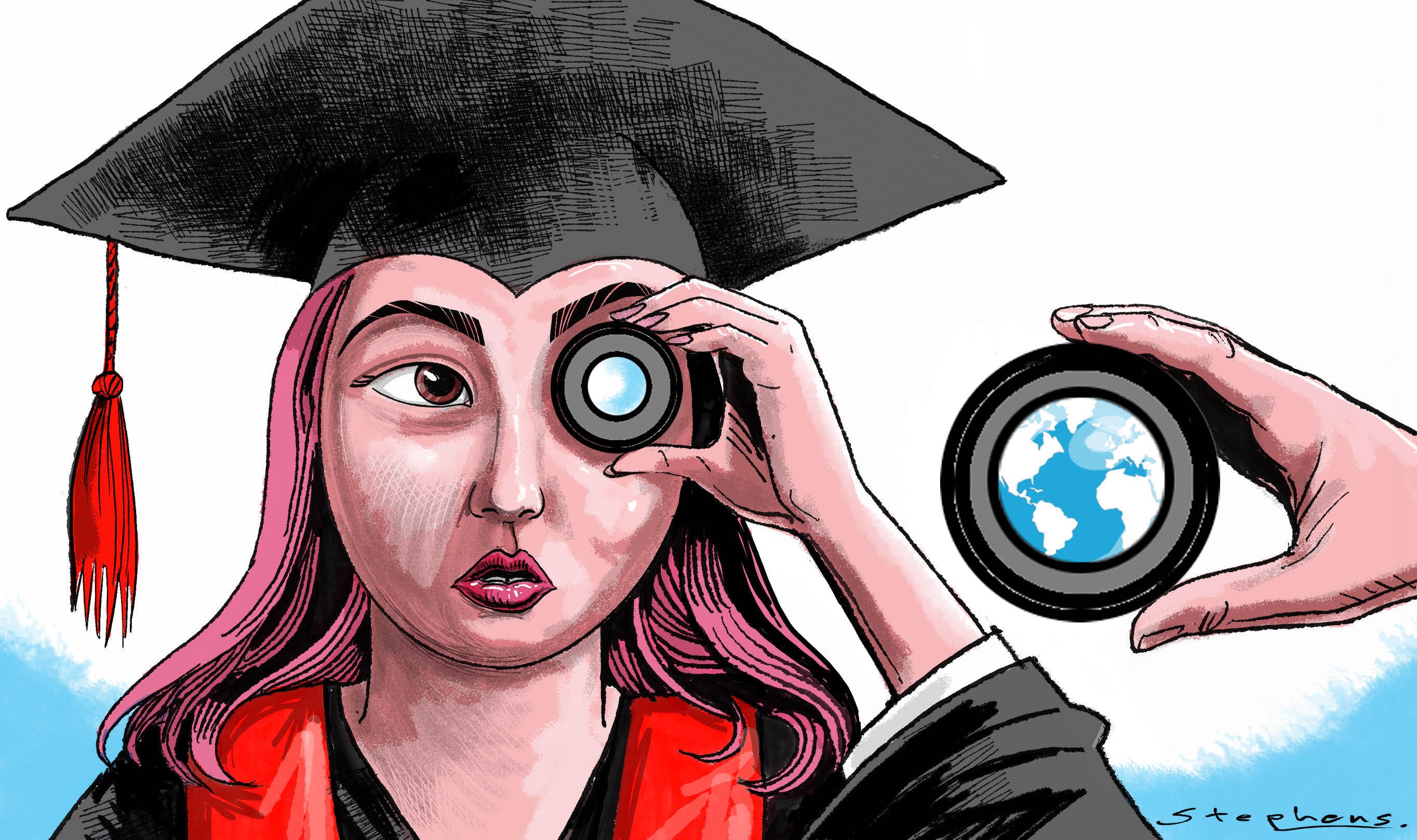
The numbers tell a revealing story. The city’s eight publicly funded universities, once primarily judged by academic output and global rankings, are now generating record income from knowledge transfer. Patents, licensing deals, industry partnerships. These are not side activities. They are becoming core business lines. Universities are no longer just custodians of knowledge. They are active market participants, packaging and monetising it.
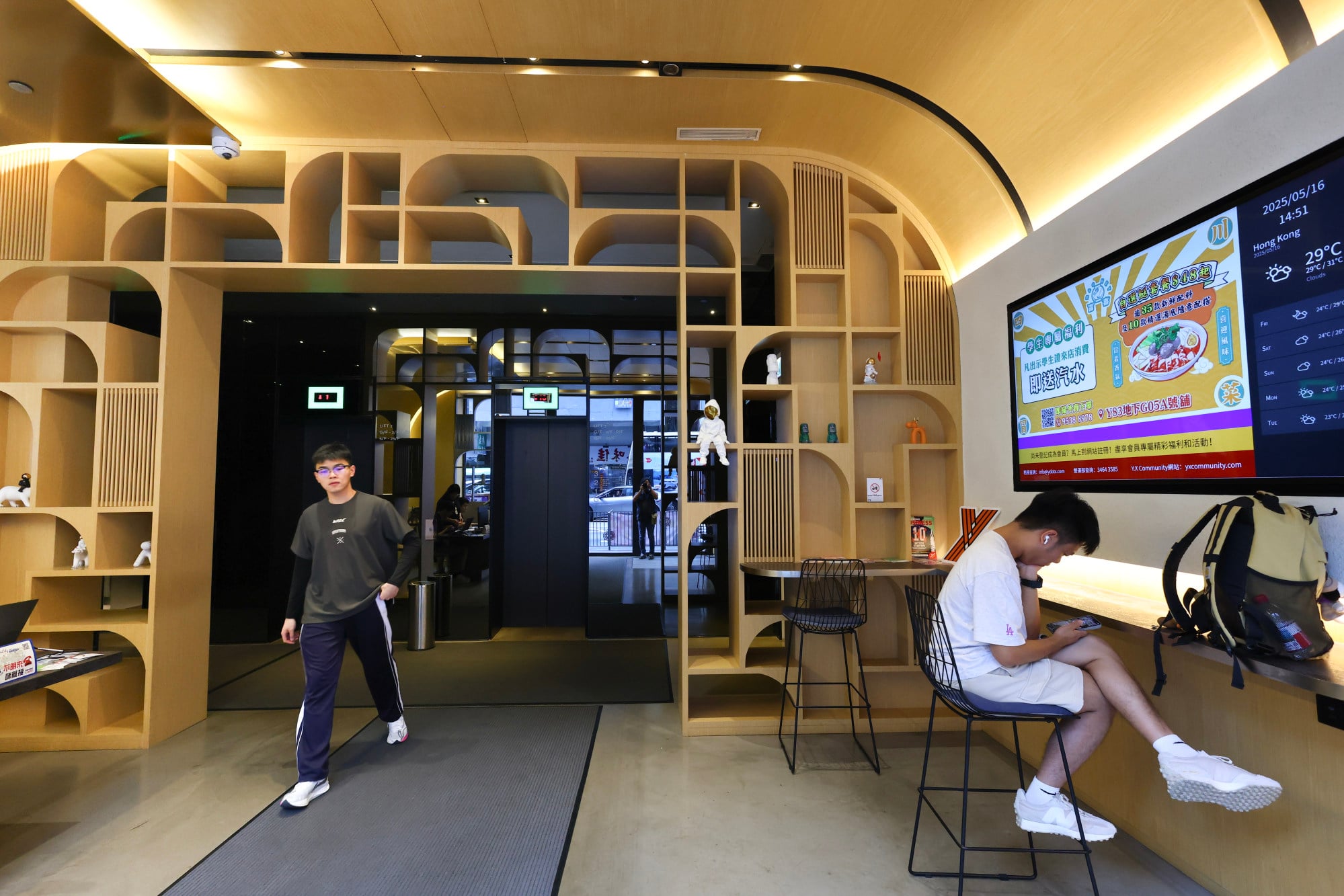
Around them, an ecosystem is forming. Student hostels have become investment assets. Entire blocks are being acquired, converted or purpose-built to cater to a steady pipeline of fee-paying students. Private capital has noticed something policymakers are only beginning to articulate. Education in Hong Kong is no longer just a public good. It is a growth sector.
This transformation is policy-driven. Hong Kong wants to position itself as an international education hub. Universities expand postgraduate offerings. New master’s programmes appear with impressive speed, often aligned with fashionable disciplines. Data science. Fintech. Artificial intelligence. The catalogue grows.
On paper, the strategy makes sense. Education exports are a proven economic driver. For Hong Kong, with its limited land and finite industrial base, exporting education seems a logical extension of its service economy. But there is a quiet tension beneath the surface. Who exactly is this “international” strategy built on?
A significant proportion of new enrolments, especially at the postgraduate level, come from mainland China. Hong Kong offers a hybrid experience. It is close enough to home, yet carries an international veneer. Degrees are delivered in English. Campuses feel globally connected.
Yet reliance on a single source carries risks. Tourism learned it the hard way. Retail did too – at its peak, mainland visitors accounted for nearly 90 per cent of same-day visitor spending, leaving the sector dangerously exposed when those “purse strings” eventually tightened. Concentration can deliver rapid growth but also creates structural vulnerability.
The concern is not about mainland students per se. They are, and will remain, an important part of Hong Kong’s academic landscape. The issue is overdependence.
The economic backdrop matters. China’s growth has slowed. Household expectations are shifting. For many, the calculus of overseas education is becoming more pragmatic. A degree is no longer simply a credential. It is an investment judged by its returns.
Here, Hong Kong faces a delicate equation. Tuition fees are significantly higher than those of top mainland universities. Private universities in the city can command fees that can easily reach six figures in Hong Kong dollars annually. Students and their families are increasingly asking: does the outcome justify the cost? The promise of international exposure and better career prospects must translate into tangible results. Otherwise, the appeal begins to erode.
There are early signs of this tension. Some graduates, after completing their degrees in Hong Kong, find themselves competing in a job market that is both global and local. They face peers from around the world, while also navigating visa policies, employer preferences and industry cycles. The transition from campus to career is not always smooth. If expectations and outcomes diverge too sharply, sentiment shifts. The pipeline can narrow with surprising speed.
This is where the ambition to become an international education hub meets its most critical test. Internationalisation is not simply about attracting students from outside the city. It is about diversification. A genuinely international hub draws from multiple regions, offers varied pathways and builds a reputation that transcends any single market.
At present, Hong Kong’s model risks being interpreted differently. It may look less like a global hub and more like an extension of a domestic market, albeit with international branding.
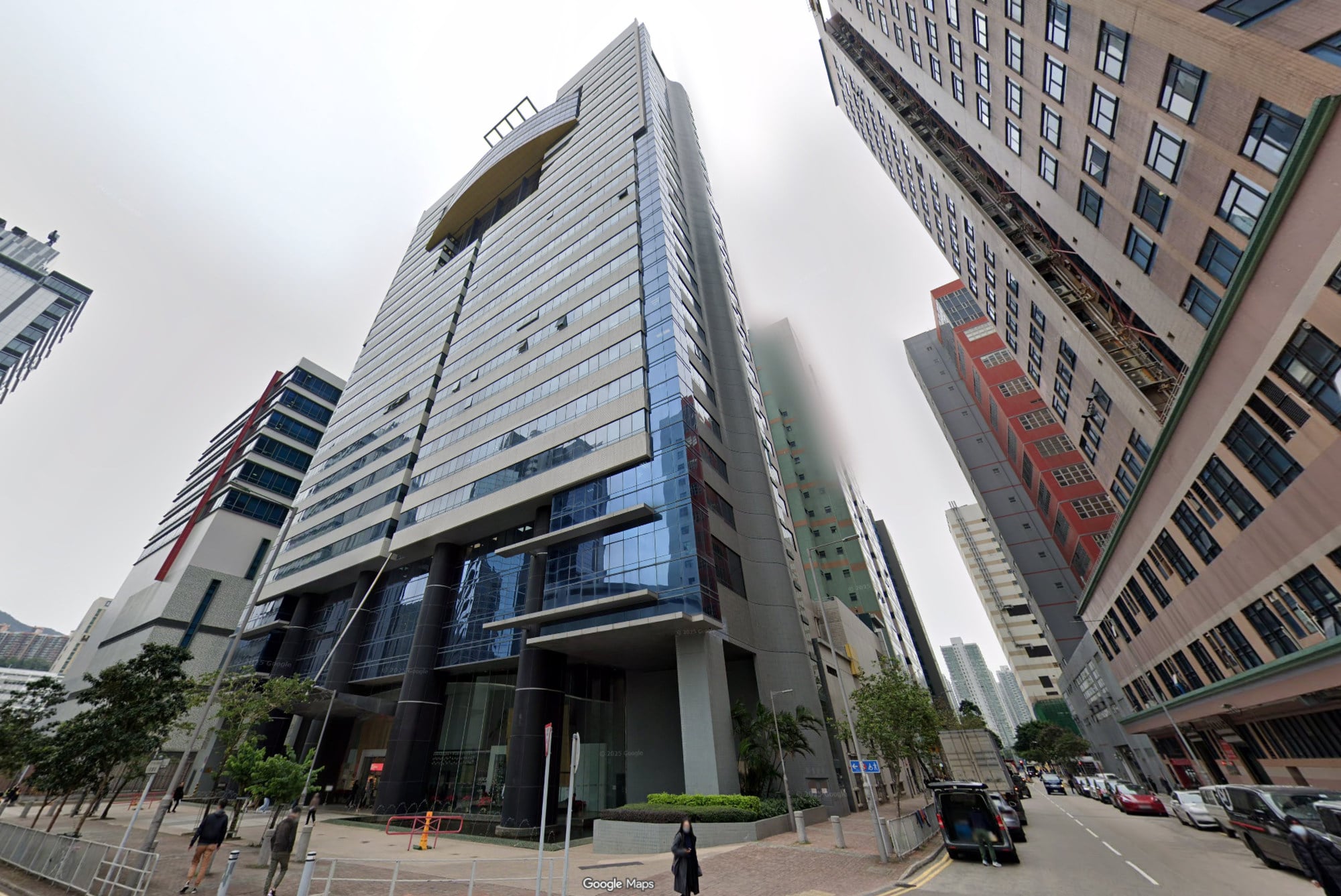
The implications go beyond universities. The ecosystem, from student housing to retail and services, is tied to this growth narrative. Investors betting on hostels are effectively betting on sustained demand. New programmes assume continued enrolment momentum. A slowdown would ripple through multiple layers of the economy.
None of this suggests that the trajectory is misguided. On the contrary, the commercialisation of higher education reflects global trends. Universities everywhere are under pressure to diversify income streams, justify public funding and show relevance in an increasingly competitive landscape.
The question is one of balance. Hong Kong has genuine advantages. Its legal system, financial infrastructure and cultural positioning remain attractive. English-medium instruction differentiates it from many regional competitors. Its universities, several of which rank among the world’s best, provide a strong academic foundation.
But advantages can be eroded if the strategy becomes too narrow. Hong Kong must widen its lens. That means attracting students from Southeast Asia, South Asia, the Middle East and beyond. It means building programmes that appeal not just to immediate market demand but to long-term global needs. It means strengthening pathways from education to employment, ensuring graduates see clear, credible returns on their investment.
It also requires a shift in mindset. If universities are to operate as a business, they must also think like one. Customer concentration risk, product differentiation and long-term brand equity are not abstract concepts. They are operational realities.
There is a final irony in all this. In seeking to become more international, Hong Kong risks becoming more dependent. The city has, in many ways, perfected the mechanics of growth. It can scale programmes quickly. It can attract capital. It can monetise knowledge with increasing sophistication. But growth built on a narrow base is fragile.
An education hub is not defined by the volume of students it attracts, but by the diversity it sustains and the outcomes it delivers. If Hong Kong gets this right, its universities will not just be big business. They will be enduring institutions in a truly global system.
Popular Products
-
 Classic Oversized Teddy Bear
$23.78 -
 Gem's Ballet Natural Garnet Gemstone ...
$171.56$85.78 -
 Butt Lifting Body Shaper Shorts
$95.56$47.78 -
 Slimming Waist Trainer & Thigh Trimmer
$67.56$33.78 -
 Realistic Fake Poop Prank Toys
$99.56$49.78