Hong Kong’s Ethnic Minority Groups Can Play Key Role In Belt And Road, Summit Hears
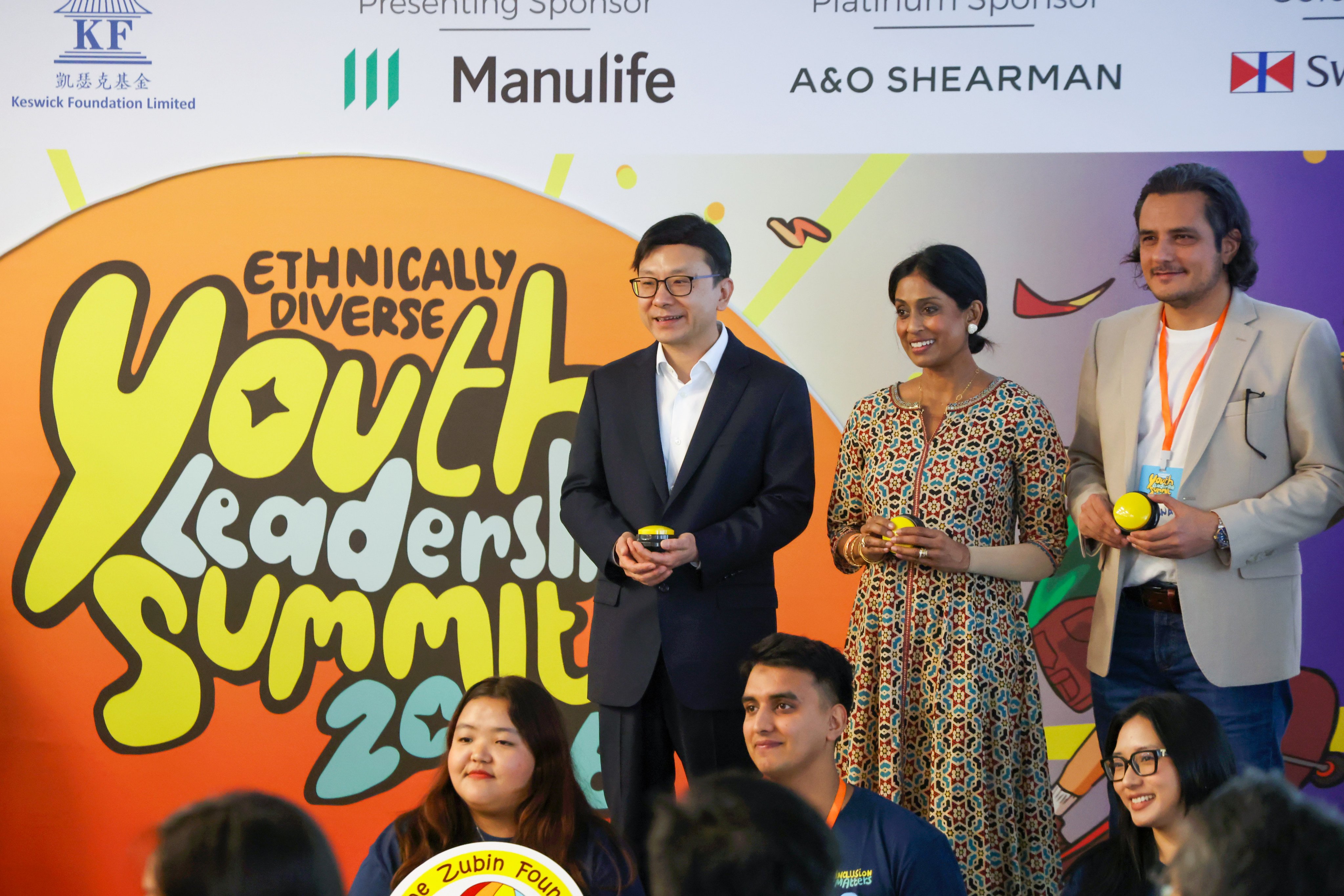
Hong Kong’s ethnic minority communities can leverage their multicultural backgrounds and language skills to play an “important role” in the city’s efforts to build ties with belt and road countries, the labour minister has said.
Other speakers at the Zubin Foundation’s Ethnically Diverse Youth Leadership Summit on Saturday also highlighted the advantages these historically marginalised communities possessed in helping mainland Chinese companies go global.
In his opening remarks, Secretary for Labour and Welfare Chris Sun Yuk-han told an audience of about 300 young people from ethnic minority backgrounds that they had a role to play as the city pursued deeper ties with countries that fall under the umbrella of the Belt and Road Initiative.
“When looking ahead, we are building and forging much closer collaboration with countries from the belt and road,” Sun said.
“Here in Hong Kong … we have a locally grown talent [pool]. They speak the language, they know the culture … while they know so much about Hong Kong.
“So I think you do have a very important role to play in the years to come.”
Beijing’s Belt and Road Initiative spans the globe and includes a number of countries where the city’s ethnic minority groups trace their roots, including Pakistan, Nepal and the Philippines.
Excluding foreign domestic helpers, Hong Kong is home to more than 300,000 members of ethnic minorities, making up about 4.1 per cent of the total population, according to the 2021 census.
Many of those with South Asian and Southeast Asian backgrounds have ties to the city that span generations.
Despite progress in recent years, many members of ethnic minority groups continue to face challenges climbing the socioeconomic ladder, including low incomes, poor career opportunities and a lack of Chinese-language proficiency.
Saturday’s summit focused on identifying the opportunities available to them. Others taking part included government officials, business leaders, entrepreneurs and community representatives.
“Too often, discussions about our communities focus on barriers and challenges,” Shalini Mahtani, founder of the Zubin Foundation, said in her own opening remarks.
“We created this summit because we wanted to focus on something equally important – opportunity, leadership, aspirations and the future.”
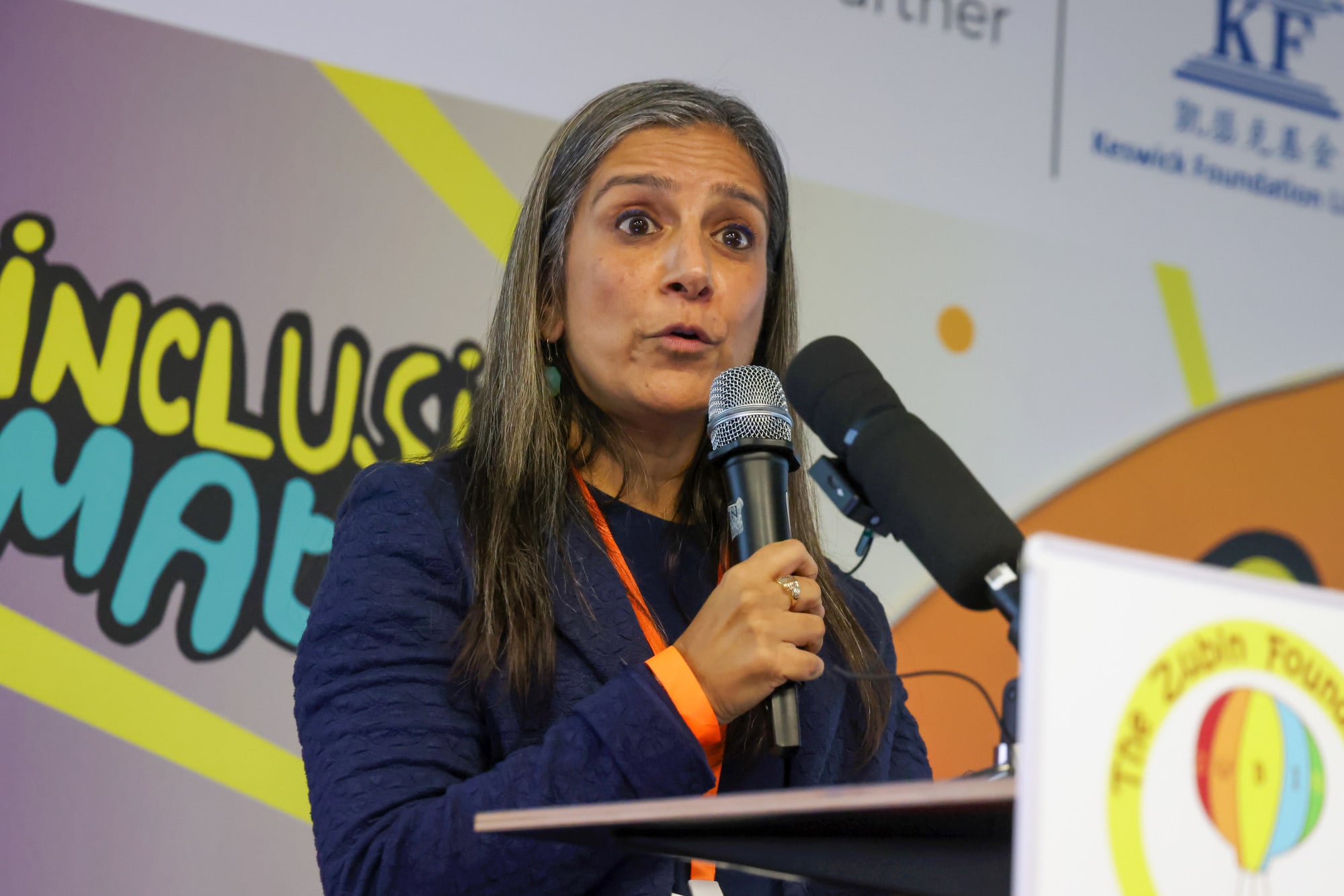
Mahtani said many of the young people in the audience were “far more talented” than members of her own generation.
“You’re multilingual, you are truly globally connected across belt and road countries and beyond … and you are ambitious,” she said.
Nicholas Ho Lik-chi, Hong Kong’s commissioner for belt and road, said the trend of Hong Kong and mainland companies looking to expand overseas gave the city’s ethnic minority communities a “huge advantage”.
“The major issue, apart from finance and trade, that Hong Kong and Chinese mainland companies face … to go global is talent,” he said. “They can’t find the right talent to help them access these markets.
“And [ethnic minority] youth have a huge advantage, because your mindset is more culturally diverse – you have both your community advantage [and] the Hong Kong advantage. You are a product of multiple cultures.”
Ho also said that young members of ethnic minority groups had a greater role to play as the city continued to attract top talent and students from belt and road countries to its universities.
He noted that many of those coming to study in Hong Kong faced challenges, including building local connections and finding jobs after graduating.
“What we hope for is that the belt and road youth and our community here are ready to engage and work closely together,” he said.
Young members of ethnic minority groups should view their future as not only in Hong Kong but in the entire belt and road, Ho said, citing the rapid growth in trade and people-to-people connectivity with the city.
Popular Products
-
 Classic Oversized Teddy Bear
$23.78 -
 Gem's Ballet Natural Garnet Gemstone ...
$171.56$85.78 -
 Butt Lifting Body Shaper Shorts
$95.56$47.78 -
 Slimming Waist Trainer & Thigh Trimmer
$67.56$33.78 -
 Realistic Fake Poop Prank Toys
$99.56$49.78