Hong Kong, Singapore Can Work To Expand The Pie, Competition Not Zero-sum: Envoy
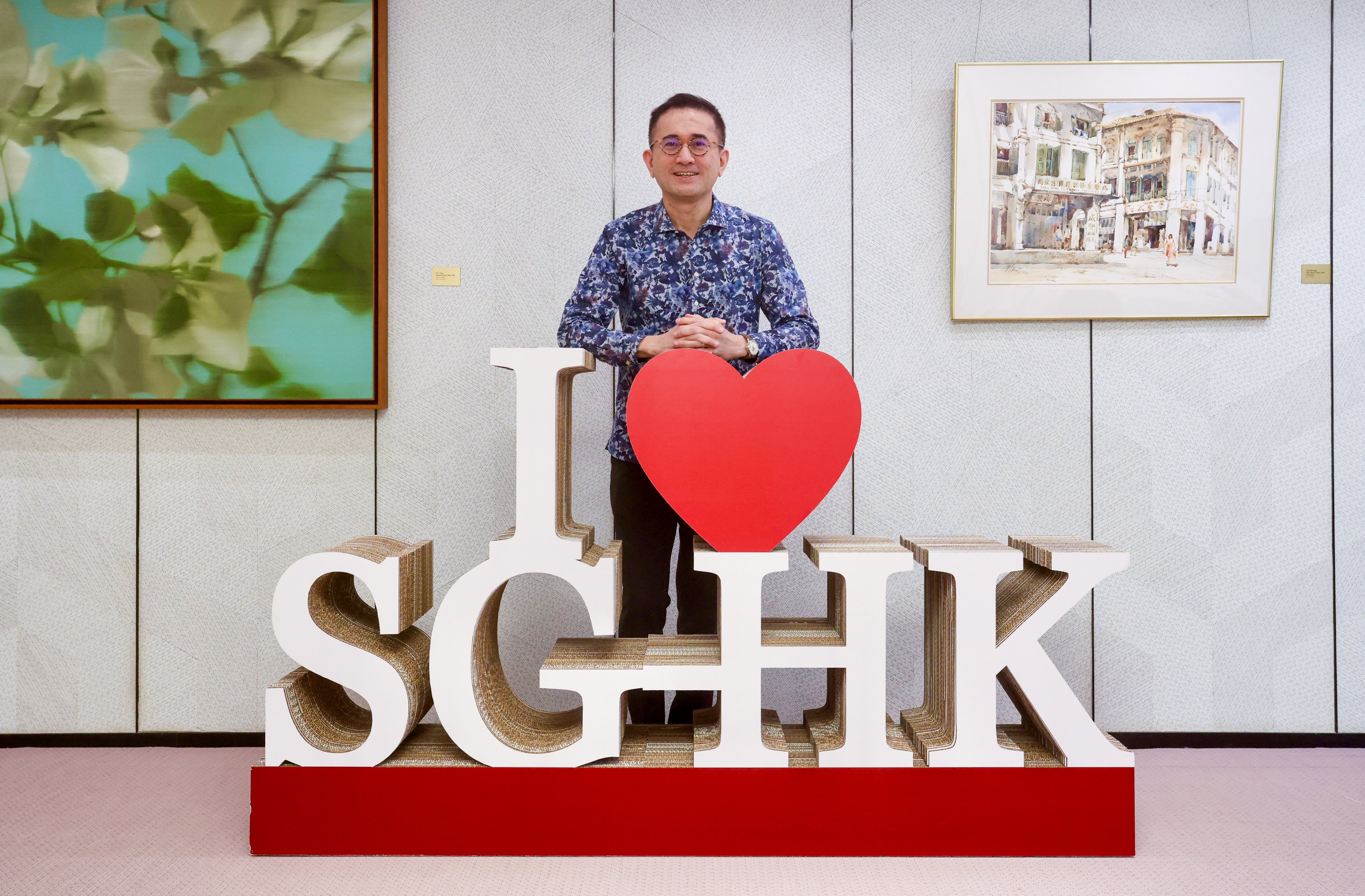
Singapore and Hong Kong do not view each other as enemies, but rather admire one another’s accomplishments, the country’s top envoy to the city has said, calling for greater cooperation between the two jurisdictions often cast as fierce rivals.
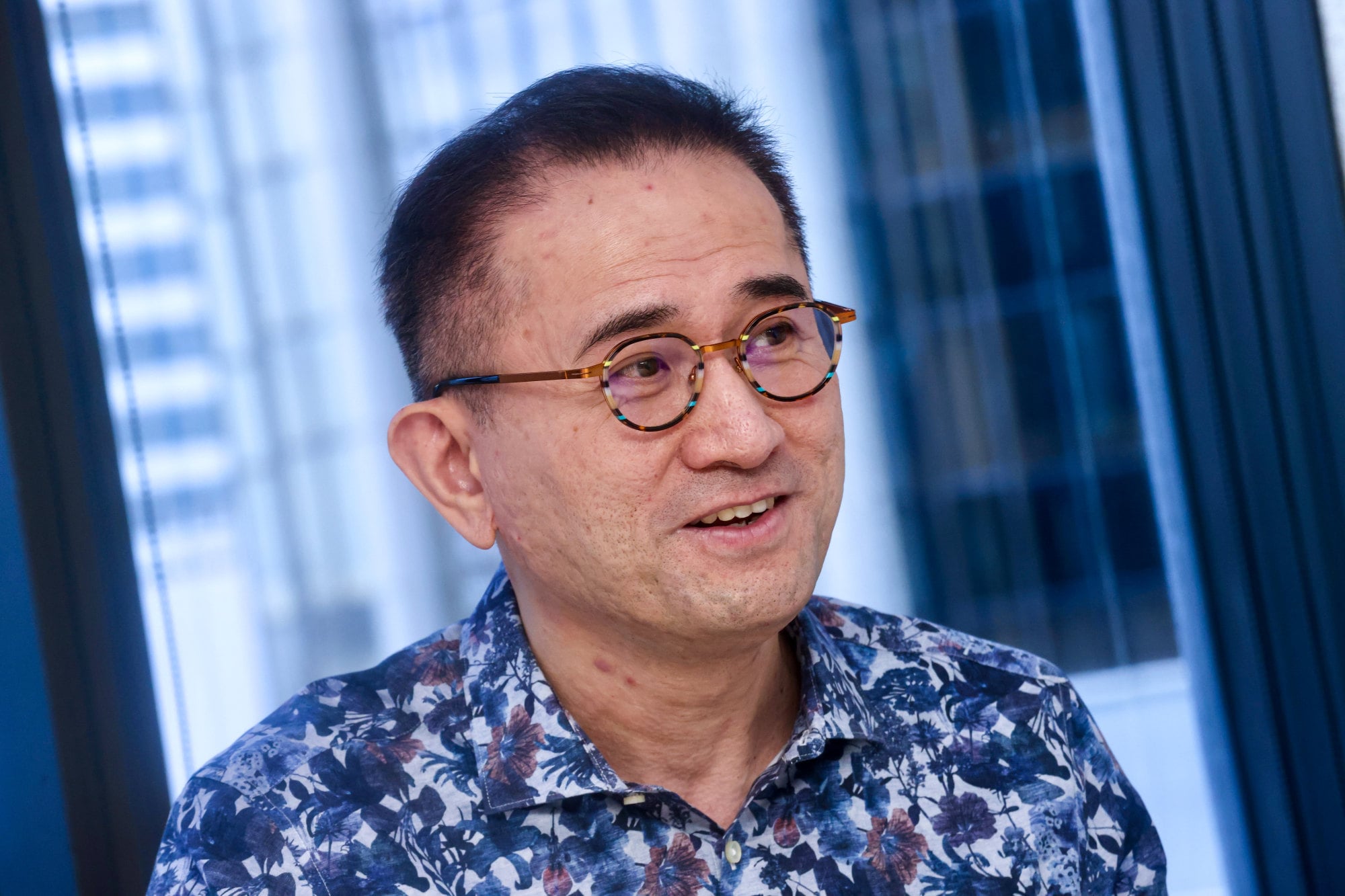
Eric Teo Boon Hee, Singapore’s consul general in Hong Kong, said Asia was big enough to accommodate two financial centres and that both sides should work together to “expand the pie” as capital rushed into the region.
Speaking exclusively to the South China Morning Post shortly after marking his first anniversary in the city, Teo pushed back against the prevailing narrative that Hong Kong and Singapore were locked in a zero-sum race for the crown of Asia’s top financial centre.
“The way we see it, healthy and natural competition between the two cities is not necessarily a bad thing,” Teo said.
“Actually, it is healthy and constructive competition to actually improve both sides, and allow us to do better for our people, for our businesses.”
He said that in all his conversations with local officials and business leaders over the past year he had “zero sense” that they viewed Singapore as an enemy.
“There is competition, yes, but we don’t look at each other as enemies. We actually admire each other,” Teo said.
“The world is changing in a very dynamic way. I think almost all of them are thinking about how we can … go back to forging win-win collaboration in areas that we are able to do so, including in the financial sector [and] in the wealth management sector.”
The two jurisdictions are frequently seen as rivals due to their geographic similarities and shared status as Asian financial hubs. At the beginning of the decade, in particular, Hong Kong was seen to have lost out to Singapore as talent and companies uprooted themselves from the city in the wake of the national security law and pandemic restrictions.
Despite Hong Kong positioning itself as a hub for mainland Chinese firms looking to go global, many of those companies have also opted to establish themselves in Singapore in part to gain a foothold in Southeast Asia and as an apparent hedge against geopolitical risk.
But as of late, officials from both jurisdictions have been shifting their tone to focus more on areas of potential collaboration.
On a visit to Hong Kong in March, Singapore Prime Minister Lawrence Wong met Chief Executive John Lee Ka-chiu, with both leaders highlighting shared beliefs in areas such as free trade and multilateralism, and a mutual desire for enhanced cooperation.
However, the adversarial narrative reignited recently as both jurisdictions were widely seen as introducing rival tax concession packages targeted at wealth funds.
Teo said that such developments should not be framed as “zero-sum” and that the growing flow of capital entering the region provided the two jurisdictions with an opportunity to work together to “expand the pie”.
Investors were seeking to hedge and avoid having all their resources concentrated in one particular location, he noted.
“We strongly believe that in this part of the world, in Asia, we can accommodate both very good and open financial centres,” he said.
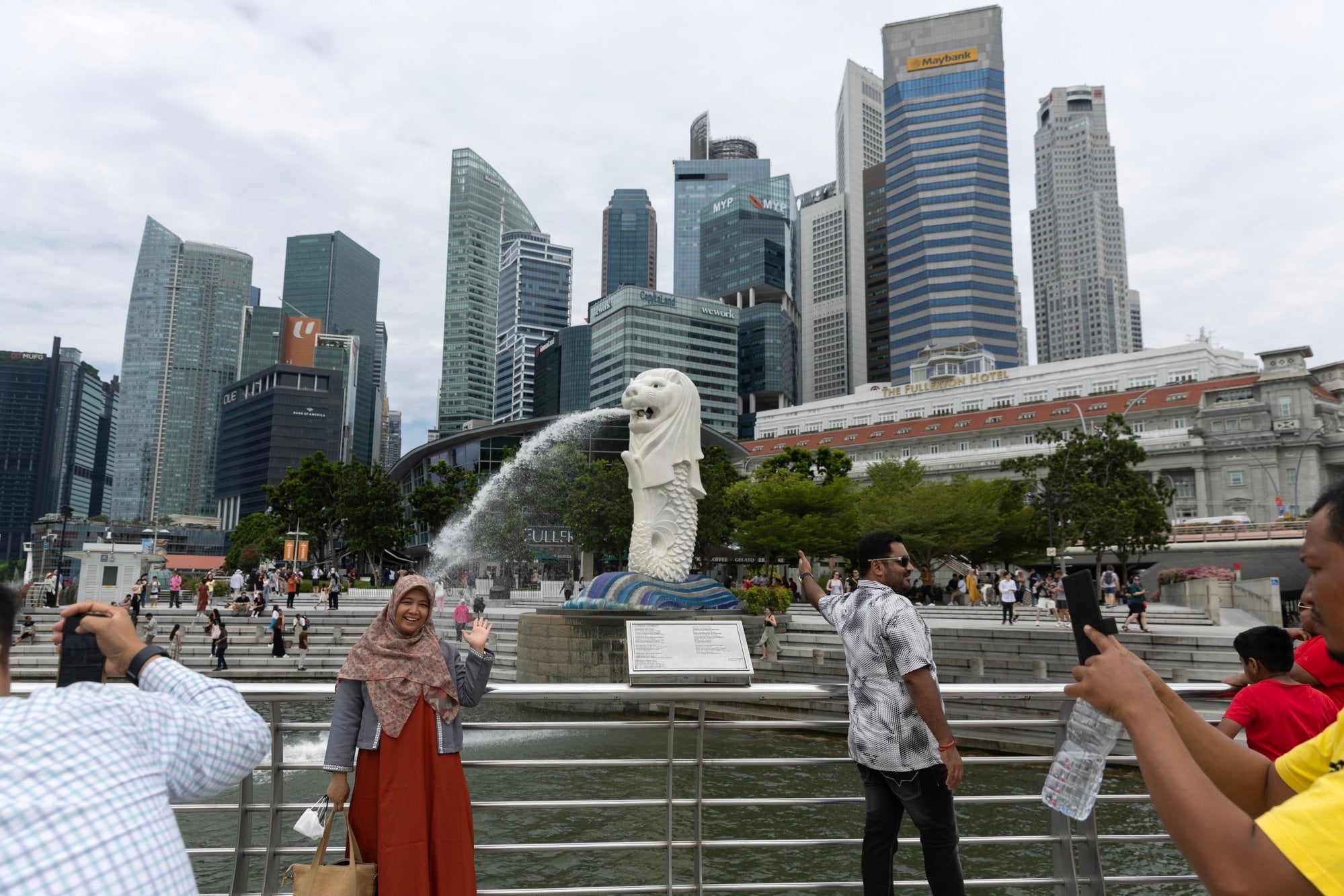
He described the two financial centres as being in “different business nodes” – with Hong Kong positioned in northeastern Asia and Singapore in Southeast Asia.
“I think both financial centres should find ways to work together in a complementary way to actually expand the pie,” he said. “If we are able to do that, then actually both benefit, rather than trying to undercut each other.”
When asked where the two sides were most complementary and where cooperation might not be possible, he did not provide examples, instead saying he would “leave it to the experts in the financial sector” to work out.
“We cannot work together in every area,” he said. “But I strongly believe that there are areas where, amid the competition, we can still work together.”
Beyond the financial sector, Teo said there were opportunities for cooperation in areas where both jurisdictions were facing similar challenges, including low fertility rates, ageing populations, public housing and the rise of artificial intelligence.
He noted that since January last year there had been 15 ministerial-level visits to Hong Kong from Singapore, while also highlighting the permanent secretaries exchange programme – the most recent of which occurred in July.
He also highlighted the two cities’ robust trade, investment and people-to-people ties, with Hong Kong home to the largest overseas Singaporean community in a single city at about 28,000 people.
In a personal anecdote, Teo shared that his maiden flight as a child was to Hong Kong in 1980, where he flew into the old Kai Tak Airport.
Teo said it was clear to him that Hong Kong today was making a “very remarkable economic rebound”, and that the impression was shared by visiting Singaporean officials.
“I think you can sense that the vibrancy, the dynamism, as well as the buzz is actually coming back,” he said.
Popular Products
-
 Gas Detector Meter
$311.56$155.78 -
 Foldable Garbage Picker Grabber Tool
$93.56$46.78 -
 Portable Unisex Travel Urinal
$49.56$24.78 -
 Reusable Keychain Pepper Spray – 20ml
$21.56$10.78 -
 Camping Survival Tool Set
$41.56$20.78