Hong Kong To Have Privately Run Care Services Under New Scheme For Middle Class Elderly
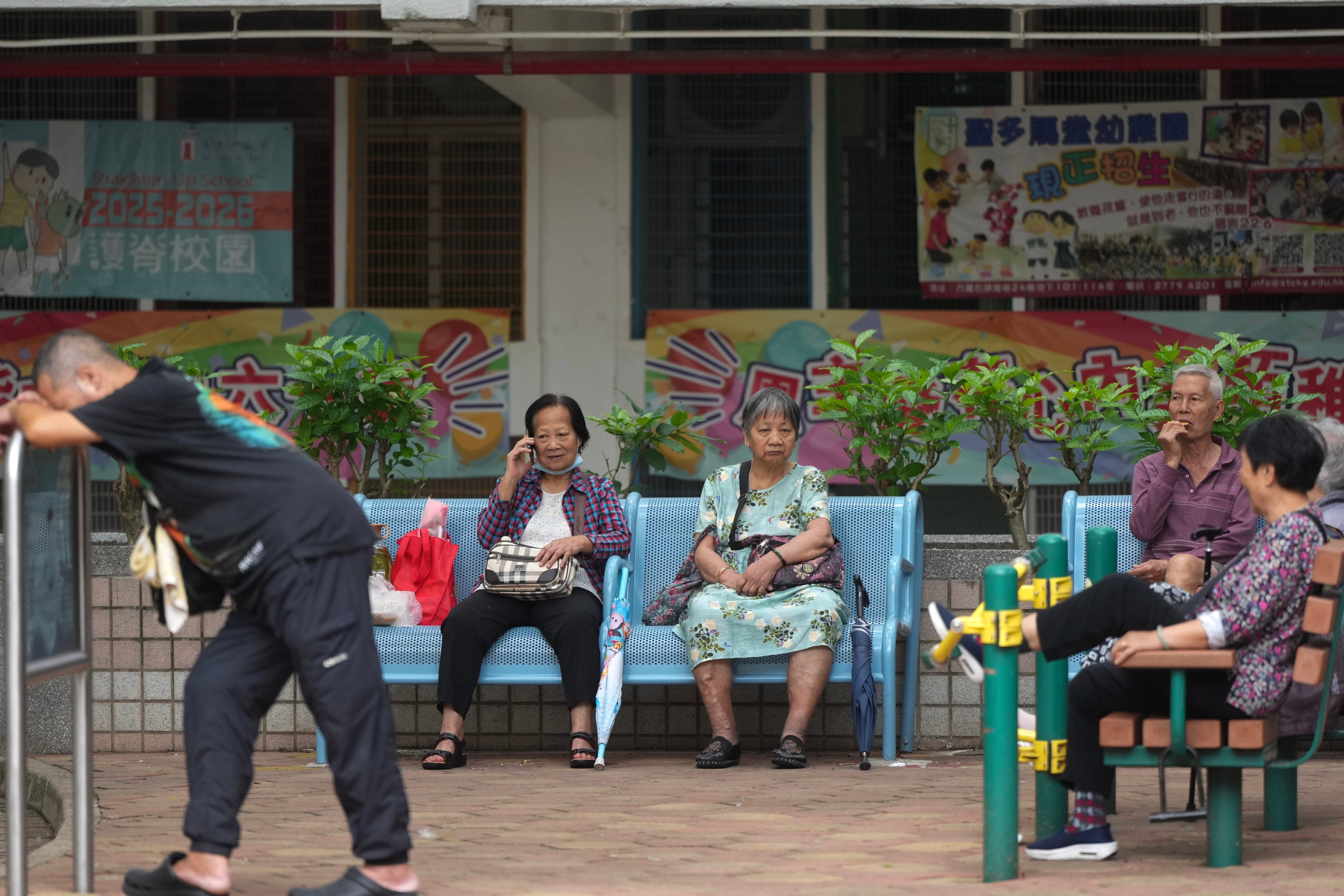
Hong Kong authorities will experiment leasing government-built elderly care facilities to the private sector, with the pilot programme aiming to provide more diverse services targeting middle class senior residents.
Labour and Welfare Bureau officials said in a Legislative Council panel meeting on Monday that the government would roll out a “publicly built, privately run” model to provide “more diverse and higher quality” elderly care services.
Under the proposal, the government will invite non-governmental organisations (NGOs) and private operators to submit proposals for self-financed services in newly built day care centres for the elderly. Operators must allocate a quota of their services to the Social Welfare Department so it can make arrangements for senior residents who need them.
Undersecretary for Labour and Welfare Ho Kai-ming told Legco’s panel on welfare services that most day care centres in the city are currently contracted to operators on the government’s lump sum grants, which provide similar services under the tendering terms.
“The aim is to see if new services can be developed by piloting this new model in communities at different levels,” Ho said.
“Hong Kong society is becoming more diverse and the elderly from the middle class and above also have their own needs for care services.”
Asked by Election Committee lawmaker Andrew Lam Siu-lo whether the arrangement would lead to services that favoured the elderly with better financial means, Ho did not reply directly but said basic care services provided by the government would remain unaffected.
Deputy Secretary for Labour and Welfare Chong Wing-wun said the locations of these centres would focus on middle class areas, with the first such centre located in Tseung Kwan O’s Lohas Park.
He added that plots for these facilities would be designated for care services, with the government considering longer tenancy periods to ensure stability and continuity in the services.
“Since the services are provided on a self-financed basis, we would also grant operators sufficient flexibility for them to respond to the demand from residents,” Chong said.
“In middle class areas, residents have better financial means and more diverse needs for care services. Through this model, we hope the operators will explore and accommodate residents’ needs.”
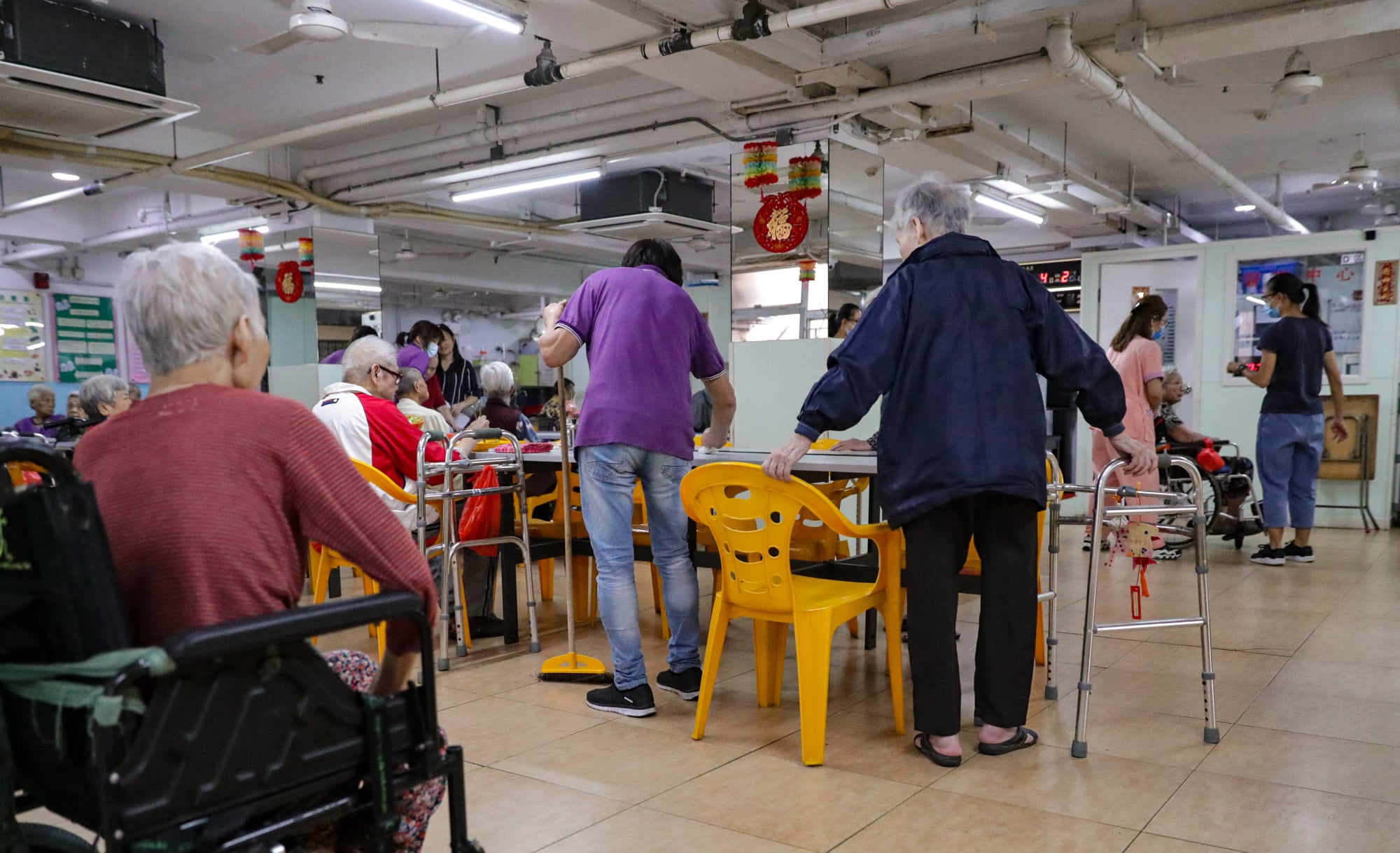
During the meeting, insurance sector lawmaker Chan Pui-leung asked whether the operators would be required to pay rent to the authorities and whether they could offer services at lower rates.
Chong replied that the operators would need to allocate quotas for services to the Social Welfare Department in lieu of rent, but the government would not set a cap on charges to allow them to better respond to the market’s needs.
Operators would also be required to participate in the government’s Community Care Services Voucher scheme to provide basic subsidised services regulated by the department, he added.
“But for other services, we will allow them to flexibly accommodate residents’ needs,” Chong said. “Regulating their charges will make it difficult for them to explore many business models, but we will ensure transparency of charges.”
According to a meeting document submitted by the government, the Tseung Kwan O facility is expected to provide 48 service places and will commence operations in the second half of next year.
Popular Products
-
 Gas Detector Meter
$311.56$155.78 -
 Foldable Garbage Picker Grabber Tool
$93.56$46.78 -
 Portable Unisex Travel Urinal
$49.56$24.78 -
 Reusable Keychain Pepper Spray – 20ml
$21.56$10.78 -
 Camping Survival Tool Set
$41.56$20.78