Is Tech The Main Battleground As Eu And Us Drift Apart? One Chinese Prediction Says So
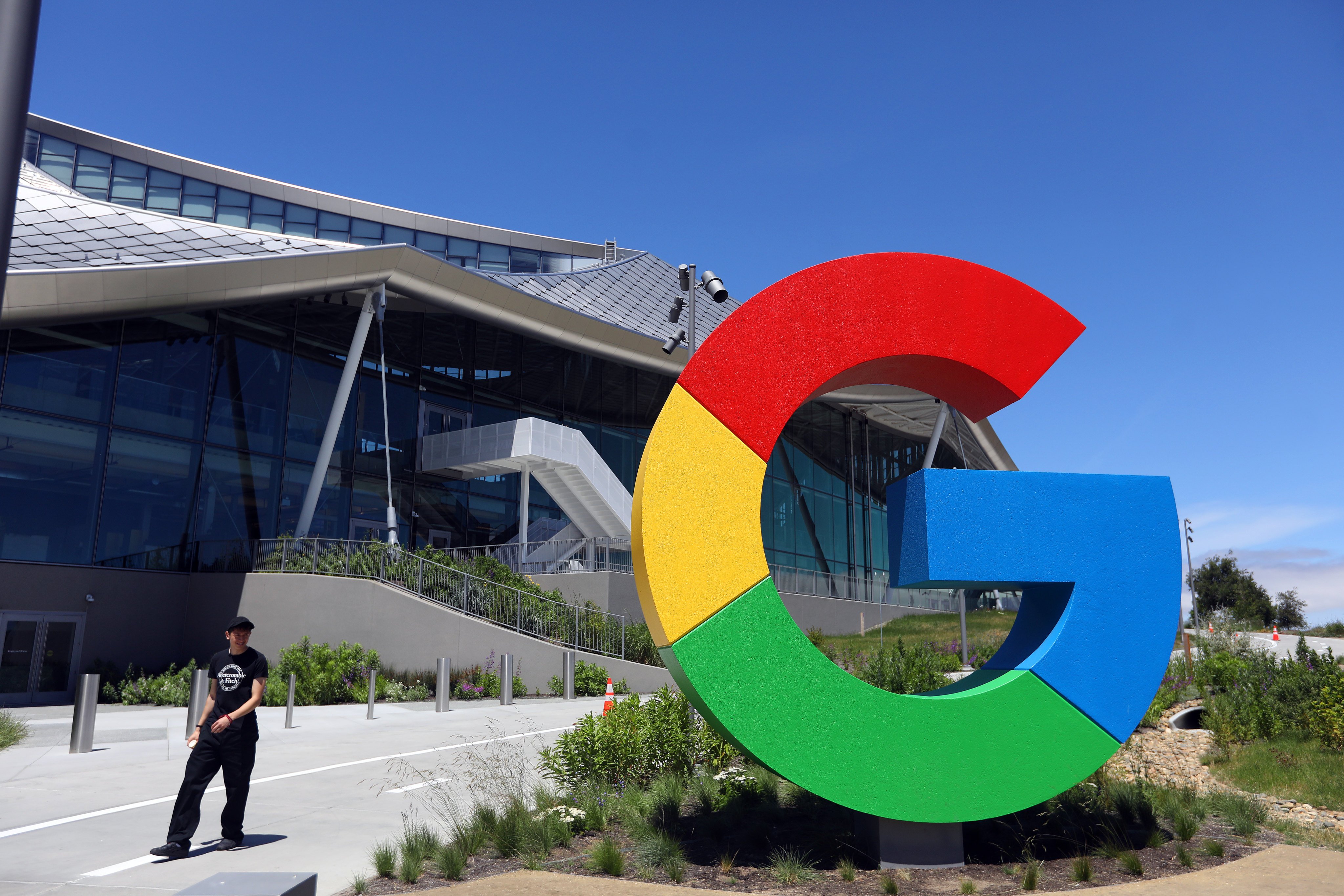
Clashes between the United States and European Union are becoming the “new normal” with competition over tech regulations at the “core”, according to an analysis published by a leading Chinese think tank.
Guo Mingxu, head of the European Economy Programme at the China Institutes of Contemporary International Relations, cited a recent row about hefty fines imposed on US tech giants for breaching European law as an example of how the relationship was shifting from being a collaborative partnership to a transactional exchange.
His comments come amid a volatile period in US-EU relations, marked by tariff threats and wider frictions over trade and the future of Nato.
“The transatlantic alliance, once rooted in shared values, is increasingly yielding to hard calculations of interest,” Guo wrote in an analysis published on the think tank’s official social media account on Monday.
“When the unified values holding the bloc together are torn apart and double standards prevail, empty narratives can no longer restrain self-interest. Once real-world demands collide head-on, the alliance will ultimately fall apart.”
Last month, Brussels hit Google with an €890 million (US$1 billion) fine for illegally favouring its own services over rivals in search results and restricting app developers.
The penalty was one of the largest imposed under the EU’s Digital Markets Act and followed fines of €200 million for Meta and €500 million for Apple last year.
The latest decision drew a furious response from Washington, which accused Brussels of “plundering” American businesses.
US President Donald Trump lashed out on social media, accusing Europe of treating America as a “piggy bank”, before threatening substantial tariffs.
Guo argued the clash exposed a broader shift to a “transactional calculus” as the US followed an “America first” strategy, while Europe sought “strategic autonomy”.
“In the digital age, data, technology and industrial revenues have become the core arena of competition. Washington seeks to maintain its dominance at the top of the supply chain and monopolise development benefits, while Brussels refuses to remain a mere consumer market and demands a fair share of the gains,” Guo wrote.
“As disputes shift from verbal sparring to concrete confrontation, clashes between the US and the EU are becoming the new normal … What is escalating is not just the intensity of the conflict, but a profound shift in the underlying logic of the transatlantic alliance.”
Guo said Washington’s outrage extended beyond the financial cost to business, with US officials regarding Europe’s tough regulations as a direct challenge to US control over global tech standards.
The Digital Markets Act, designed to promote fair competition, was seen by Washington, as an attempt to establish a stringent European model that could be replicated globally – and stood in stark contrast to the light-touch approach adopted in the US.
“Once European rules become global norms, traditional US tech business models will hit a wall, severely diluting Washington’s influence in digital governance,” Guo said.
He said the European approach stemmed from “deep-seated frustration with American digital monopolies and unilateral trade pressures”.
US firms continue to dominate European markets in areas such as search engines, social media, e-commerce and apps.
“Through aggressive antitrust actions and digital legislation, Brussels is actively seeking to dismantle these monopoly structures and carve out operational space for its domestic digital industry,” Guo noted.
Using its vast market size to regulate digital giants was “one of the few effective counterweights the EU possesses” in trade negotiations, he added.
Popular Products
-
 Orthopedic Shock Pads For Arch Support
$71.56$35.78 -
 Remote Control Fart Machine
$80.80$40.78 -
 Adjustable Pet Safety Car Seat Belt
$57.56$28.78 -
 Adjustable Dog Nail File Board
$179.56$89.78 -
 Bloody Zombie Latex Mask For Halloween
$123.56$61.78