Js-sez To Address Brain Drain With Higher Pay Scale
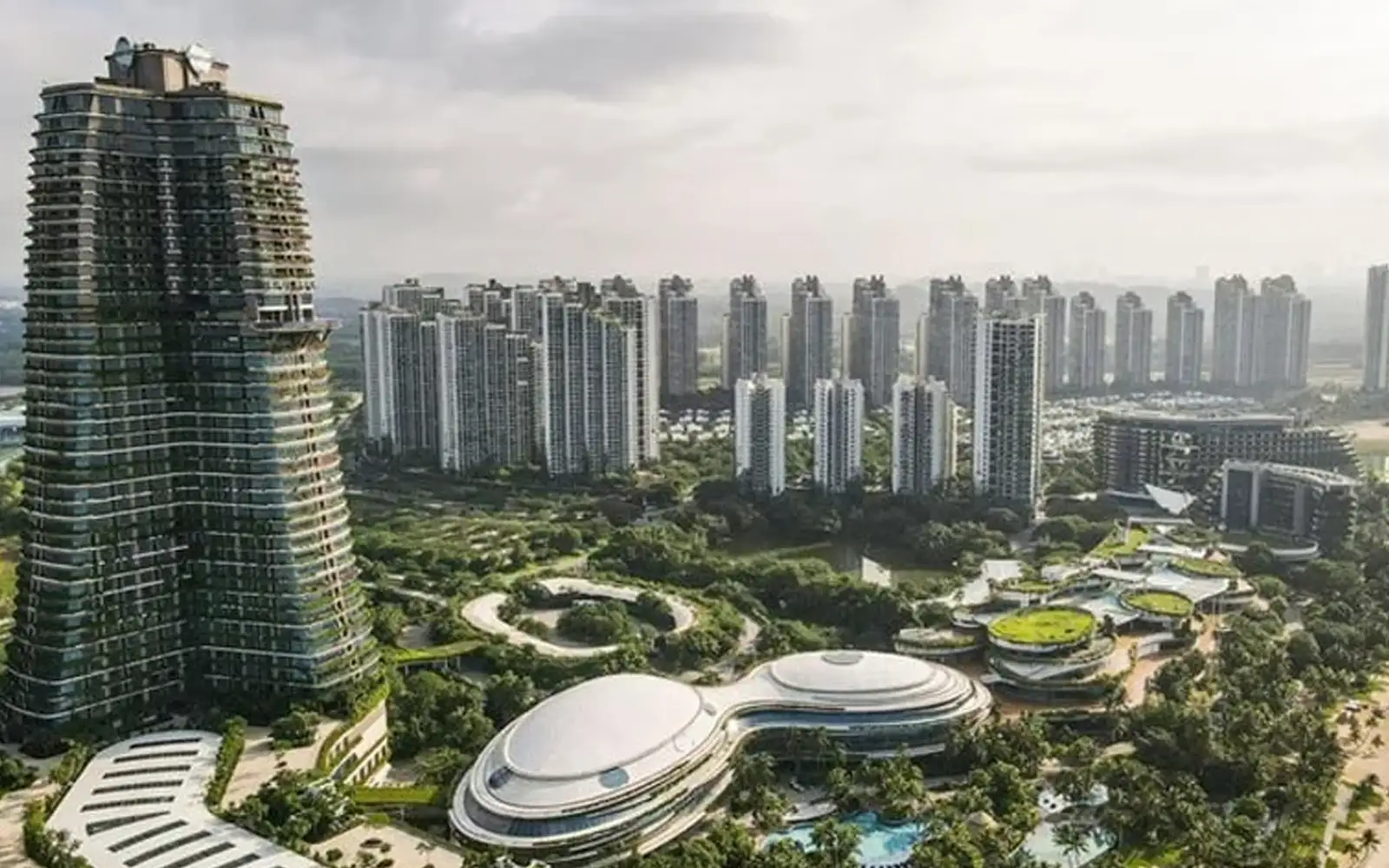
ISKANDAR PUTERI: The development of the Johor-Singapore special economic zone (JS-SEZ) is now one of the Johor government’s main pillars to address the issue of brain drain.
It will do this by offering a high-income employment ecosystem capable of rivalling Singapore’s attractive labour market.
Invest Johor CEO Natazha Harris said the focus has shifted to attracting high-impact investments that bring in capital and guarantee premium salaries for Malaysians.
He said this is Invest Johor’s new corporate mandate.
Natazha said the currency gap – S$1 is now valued at between RM3.30 and RM3.40 – remains a major challenge. However, the JS-SEZ is expected to become a game-changer to narrow the quality-of-life gap among its workforce.
“We aspire to provide a dignified alternative. We do not want the people of Johor to remain trapped in the routine of waking up at 4am to queue at the Johor Causeway in search of better income,” he told Bernama.
“While local wages may not match the Singapore dollar in absolute terms, Johor’s lower business costs allow investors to offer improved remuneration.
“This is coupled with a better quality of life and work-life balance, without having to commute across borders daily. Therefore, this becomes a far more competitive proposition.”
To support this transition, Johor is mobilising the Johor Talent Development Council as a bridge to ensure that its Sijil Pelajaran Malaysia school-leavers and university graduates, who number nearly 50,000 annually, do not “slip away”.
He said the state government is taking a proactive approach by synchronising the construction of the industrial facility with skilled workforce development to ensure a seamless rollout.
“We have a lead time. For example, if a factory requires 12 months to be built, we have that one year to plan training and prepare students to meet labour needs.
“There are already investors who have signed memoranda of understanding with local universities such as Universiti Teknologi Malaysia and Universiti Tun Hussein Onn Malaysia. Students are sent to the investors’ home countries, such as China, for intensive training,” he said.
This enables direct transfer of skills and technology. Once the Johor facilities are operational, local talent will be available to fill professional positions.
Natazha said Invest Johor has become more selective and is prioritising companies focused on automation.
The aim is to reduce dependence on unskilled foreign labour while creating quality job opportunities, involving engineers, technicians and accountants.
“Companies will continue to rely on manual labour if they do not automate. We want investment output that aligns with the government’s aspirations in JS-SEZ, and that offers salaries commensurate with the local economy,” he said.
Last year, Johor recorded approved investments of RM110 billion, the highest among all states. It now has a more aggressive target of RM140 billion approved investments by 2026.
The JS-SEZ covers the Iskandar development region, Forest City, the Pengerang Integrated Petroleum Complex, and Desaru – a land area of 357,128ha.
Popular Products
-
 Gas Detector Meter
$311.56$155.78 -
 Foldable Garbage Picker Grabber Tool
$93.56$46.78 -
 Portable Unisex Travel Urinal
$49.56$24.78 -
 Reusable Keychain Pepper Spray – 20ml
$21.56$10.78 -
 Camping Survival Tool Set
$41.56$20.78