Malaysia Lures Priced-out Hong Kong Property Buyers
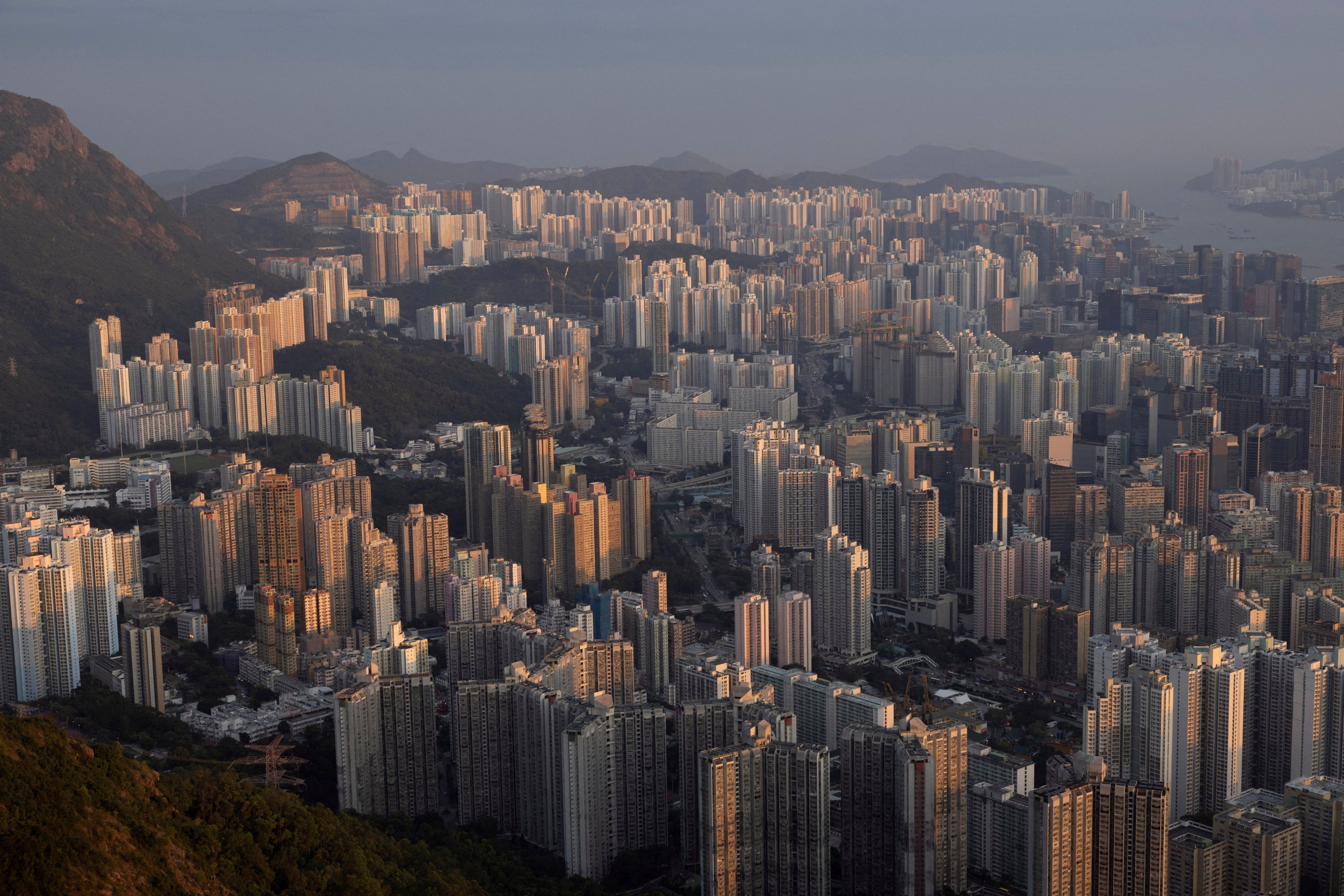
Norman Wong sold his Hong Kong flat and relocated to a rented home in Malaysia after concluding the city no longer offered the quality of life he expected for the price.
“What am I actually getting for this money in terms of quality of life?” asked Wong, a healthcare professional from Kowloon.
“Space is at a premium in Hong Kong that most of us have simply accepted as the norm. When I started seriously looking at Malaysia, I realised I didn’t have to accept that any more.”
Wong is part of a small but increasingly visible cohort of Hong Kong buyers – from families and entrepreneurs to pre-retirees – turning to Malaysia as a second base. They are drawn by lower property prices, larger homes, international schools, private healthcare and a familiar linguistic environment spanning Cantonese, Mandarin and English.
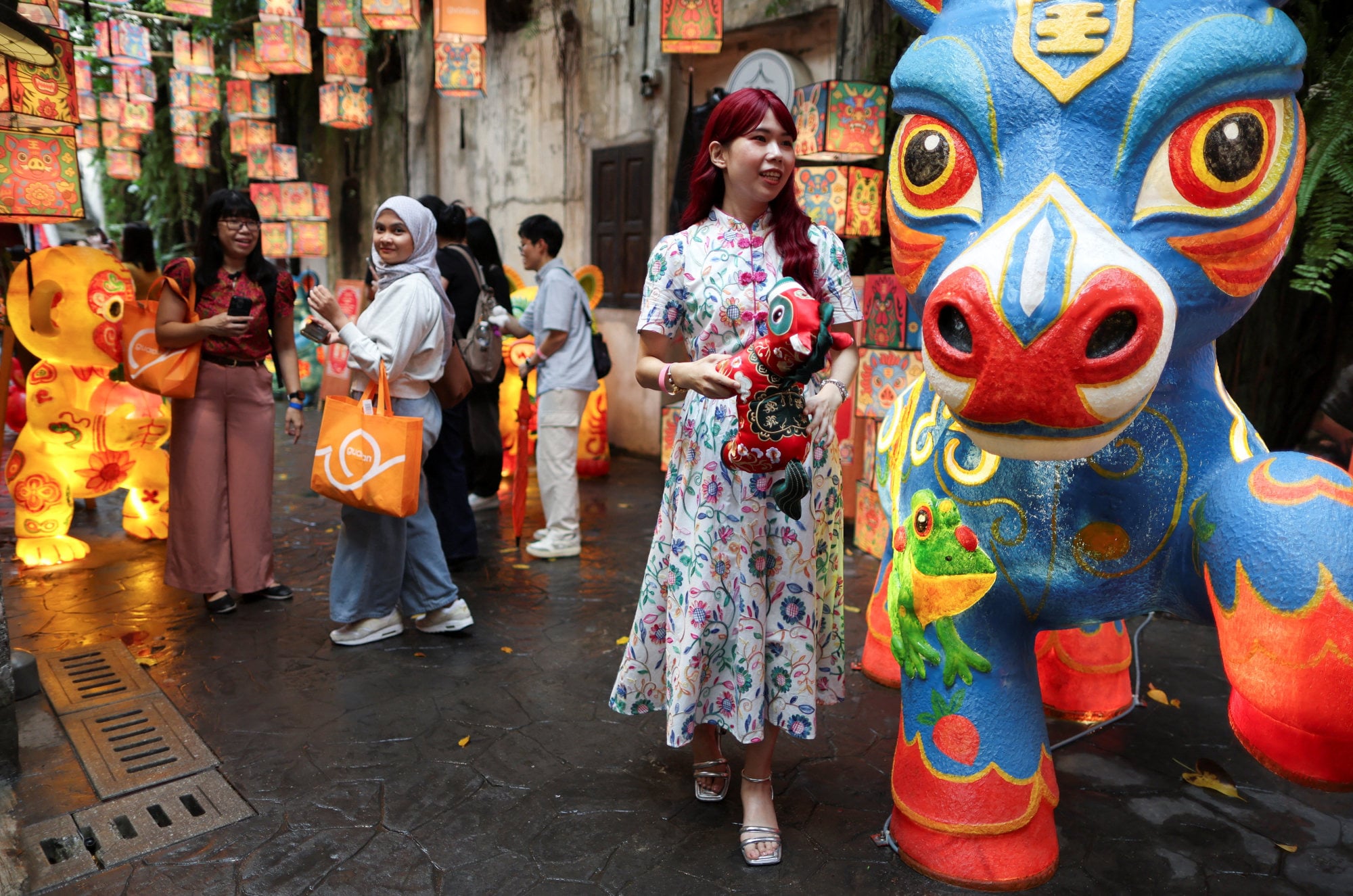
Under Malaysia’s revamped Malaysia My Second Home (MM2H) long-stay visa scheme, Hong Kong ranked as the third-largest source of applications last year, with 604 submissions, behind only mainland China and Taiwan.
The programme generated 3.87 billion ringgit (US$950 million) in economic contribution last year, including 1.5 billion ringgit in property investment, according to the Tourism, Arts and Culture Ministry. A further 2.3 billion ringgit is expected from those still in the process of buying homes.
As of December 31, 744 MM2H participants had bought property in Malaysia, including 34 from Hong Kong, placing the city sixth among foreign buyers, Tourism Minister Tiong King Sing told parliament in February.
Faizul Ridzuan, founder and CEO of property consultancy Far Capital, said his firm recorded a 20 per cent rise in inquiries from Hong Kong buyers in 2025 compared with a year earlier, with momentum continuing into 2026.
“The conversation has shifted from ‘How much can I make?’ to ‘Where can I actually live?’” he said.
“The same capital that buys a 400 sq ft ageing flat in Tuen Mun or Sha Tin buys a 1,200 sq ft freehold condominium in Kuala Lumpur or Johor, often with green space, a pool and access to international schools.”
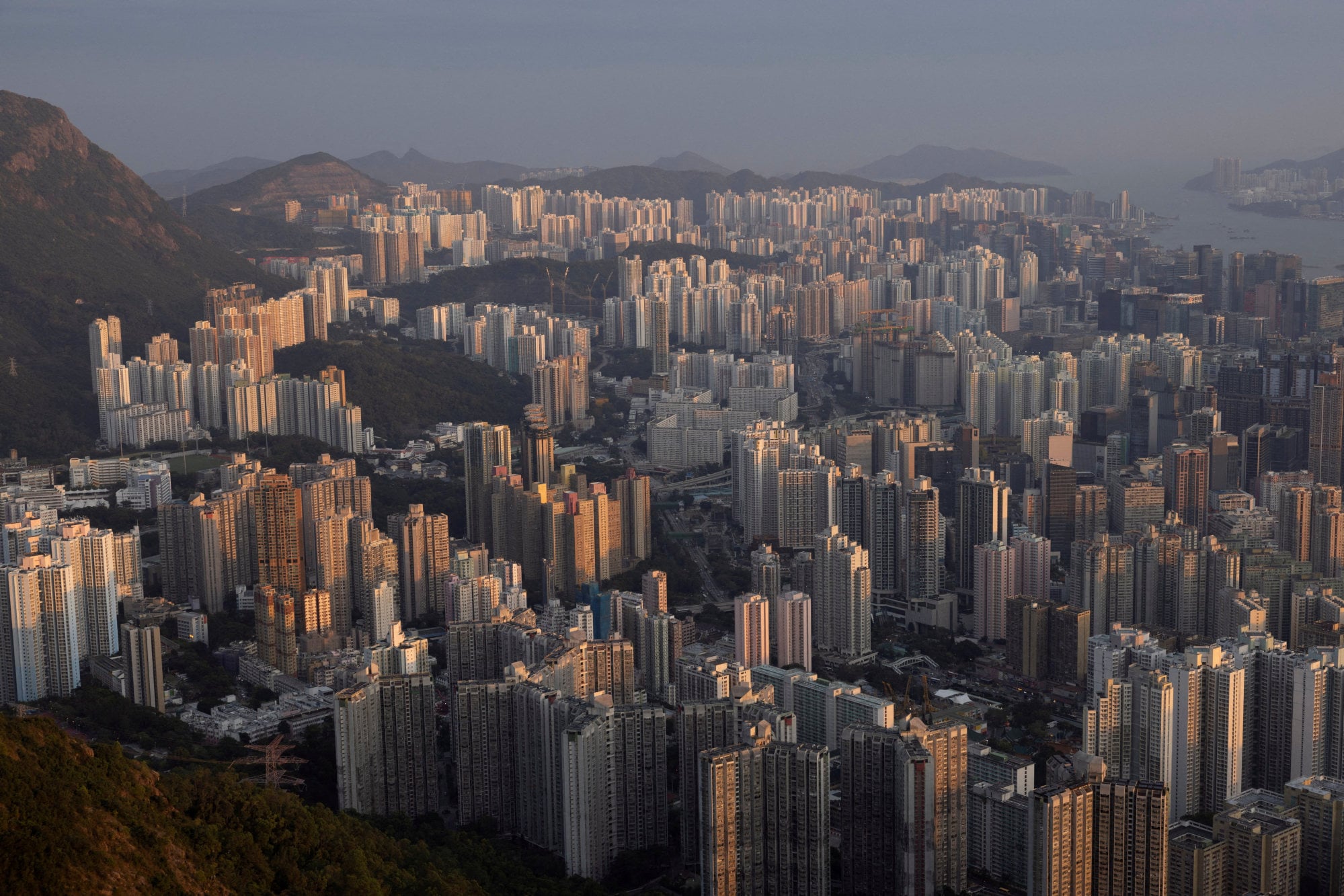
After a post-pandemic slump, Hong Kong’s housing market has staged a dramatic recovery, with private home prices rising for the 12th consecutive month in May, up 1.4 per cent from April and 12 per cent year on year, according to the city’s Rating and Valuation Department.
J.P. Morgan Private Bank noted in March that the market had entered a new growth phase, with prices rebounding after dropping nearly a third since 2021, driven by lower mortgage rates, rising population influxes and an improved rental yield of roughly 3.5 per cent.
Though good for high-net-worth investors, this has done little to help affordability. Hong Kong retained its position as the world’s least affordable housing market for the 16th year in the latest survey by policy consultancy Demographia, with median home prices at 14.1 times household income.
“The entry price remains astronomical,” Faizul said of the city’s housing market, citing the “enormous” opportunity cost of tying up HK$8 million to HK$15 million (US$1 million to US$1.9 million) “into a single, illiquid, ageing asset”.
Malaysia, by contrast, offers both cheaper, larger homes and a burgeoning economic success story.
Approved investments reached 92.8 billion ringgit in the first quarter of 2026, according to government figures led by Selangor, Johor and Kuala Lumpur, as data centres and technology projects expand. Johor’s links to Singapore, in particular, have added to its appeal.
“Cost and lifestyle get them on the plane, the economic story keeps them invested,” Faizul said of potential homebuyers.
Average residential values in Malaysia stand at about US$2,484 per square metre vs US$21,310 in Hong Kong and US$19,300 in Singapore, according to Global Property Guide data.
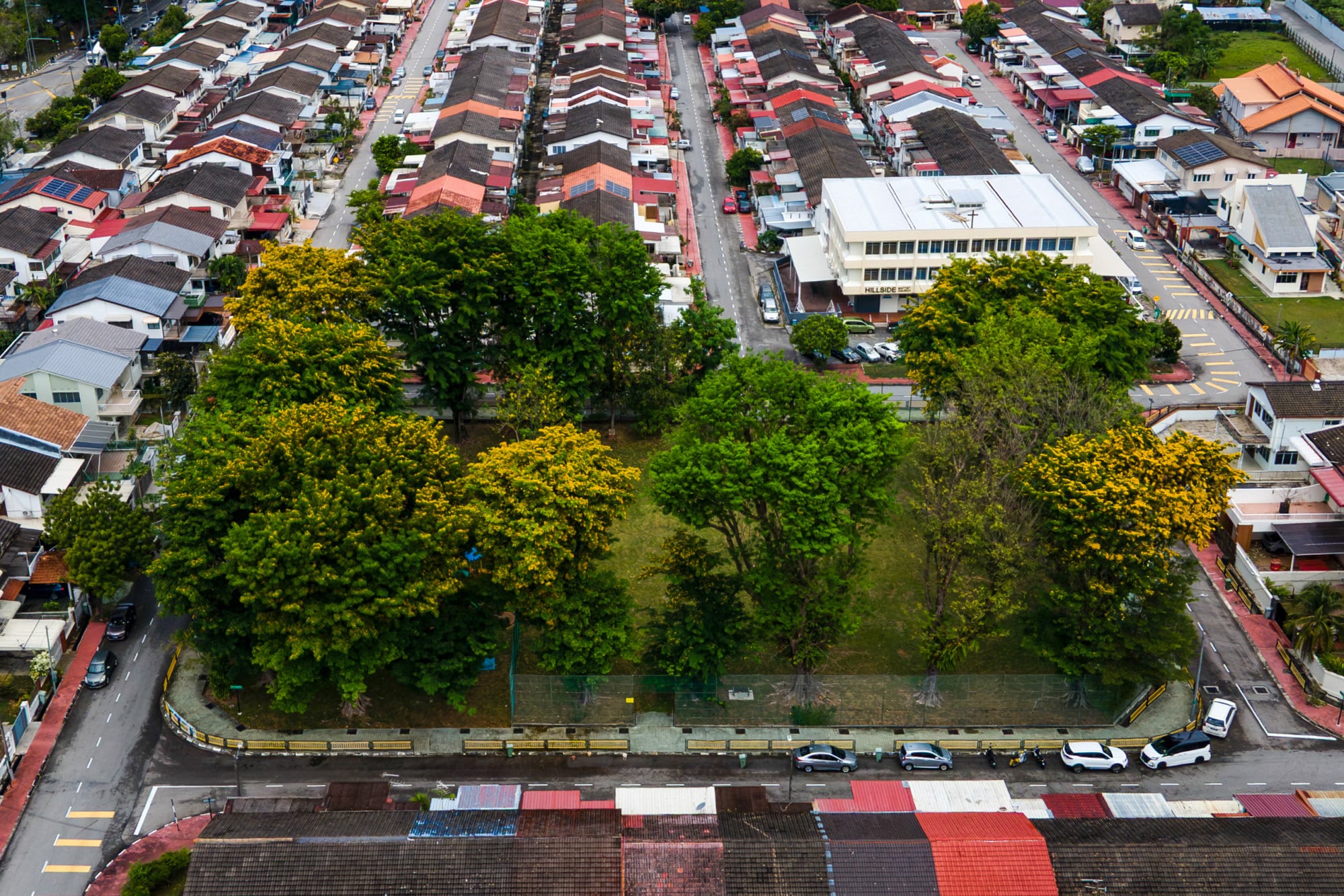
This and permissive ownership rules made Malaysia property attractive to foreign buyers, Henry Butcher Real Estate chief operating officer Tang Chee Meng told local outlet The Edge in January.
Property technology group Juwai IQI said Malaysia ranked highly among Hong Kong buyers for its infrastructure development, yields, currency factors and market diversity.
For Elson Chan, a Hong Kong entrepreneur in his forties, Malaysia represented more than an investment.
“Kuala Lumpur offers what became increasingly important to me as a parent: more space, international education options, a comfortable lifestyle and a growing economy,” he said.
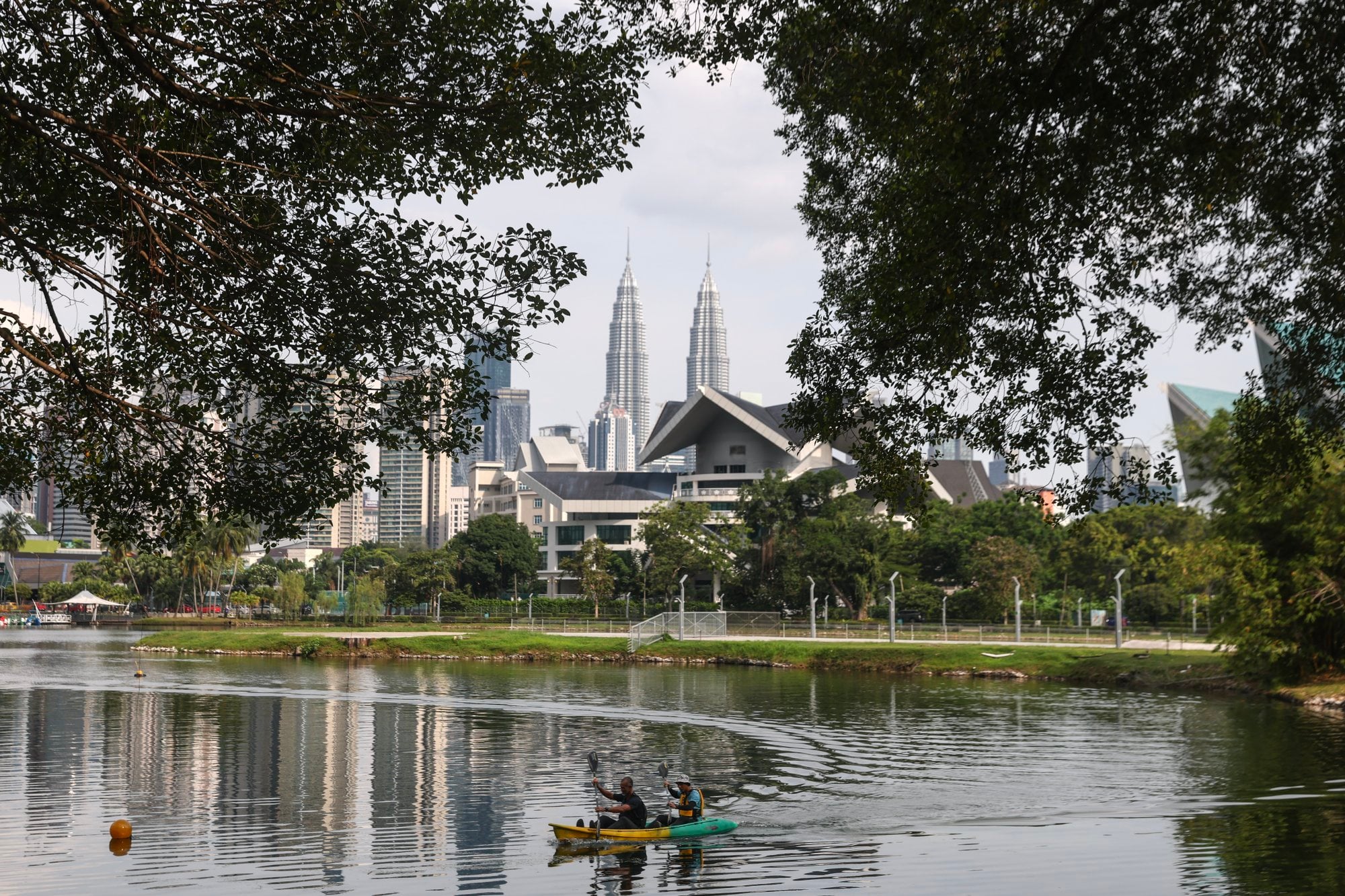
While Hong Kong remained one of the world’s best cities for doing business, Chan said his priorities had changed since having children.
“When you have children, you start thinking beyond career growth,” he said. “You think about their environment, their education, their quality of life and what kind of childhood they experience.”
Revised MM2H rules now require participants to purchase and hold property for at least 10 years, with minimum prices starting at 600,000 ringgit and rising to 2 million ringgit depending on the visa tier.
Faizul said the changes had encouraged buyers to adopt a longer-term, residential mindset, with Kuala Lumpur, Johor and Penang emerging as top destinations for Hong Kong buyers.
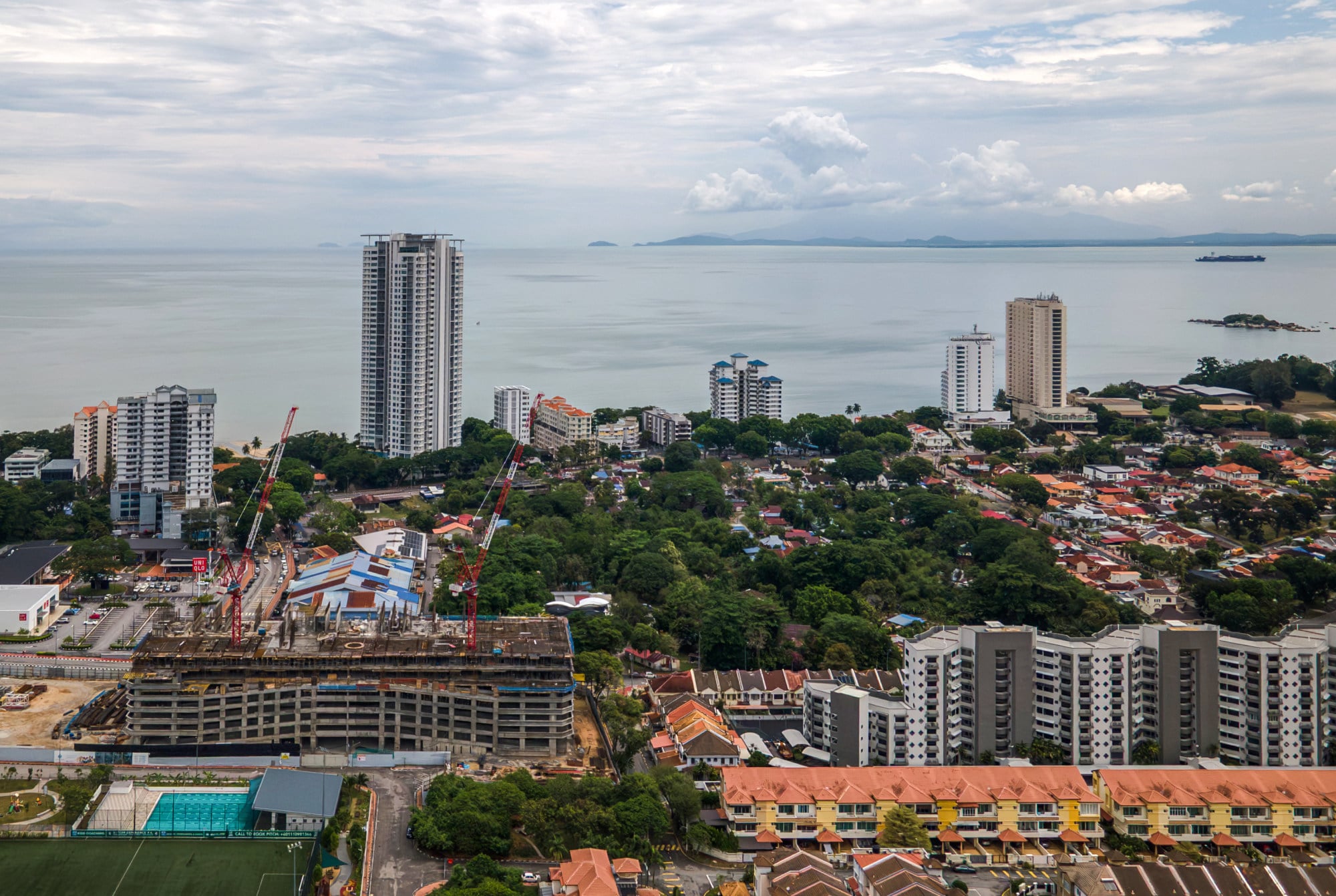
Kuala Lumpur appealed to families seeking international schools and a more cosmopolitan base, he said, while Johor enticed buyers who want proximity to Singapore, and Penang retirees or families looking for healthcare, heritage and a slower pace.
Foreign buyers still make up only a tiny share of Malaysia’s housing market, however. Non-citizens accounted for just 0.76 per cent of residential transactions in the first half of 2025 – or 913 properties worth 1.9 billion ringgit in total – according to figures cited by Housing and Local Government Minister Nga Kor Ming.
Meanwhile, overall transactions actually declined year on year in the first quarter of 2026, while the number of unsold completed homes rose to 32,801 units, statistics from the Southeast Asian nation’s Valuation and Property Services Department showed.
Wong said Malaysia was already starting to feel like home, though he said he was in no rush to buy.
“I am not here to park money. I am here to live,” he told This Week in Asia. “Finding the right property is the final piece. Everything else, the community, the food, the language, the lifestyle, is already here waiting.”
Popular Products
-
 Mommy Diaper Backpack with Stroller O...
$111.56$55.78 -
 Ai Dash Cam with Front & Rear HD, GPS...
$295.56$147.78 -
 Smart Auto-Recharge Robot Vacuum Cleaner
$613.56$306.78 -
 Wireless Health Tracker Smart Ring - R11
$131.56$65.78 -
 Electric Hair Straightener and Curlin...
$161.56$80.78