Millennial Moms Saved Their American Girl Dolls For Decades. Gen Alpha Has Other Ideas.
Over the summer, I got a text from a cousin whose daughter was almost 7.
"I found a Kirsten American Girl doll on Facebook Marketplace in a town not far from you," she wrote. "I was wondering if you might have a chance to grab it before someone else snags it?"
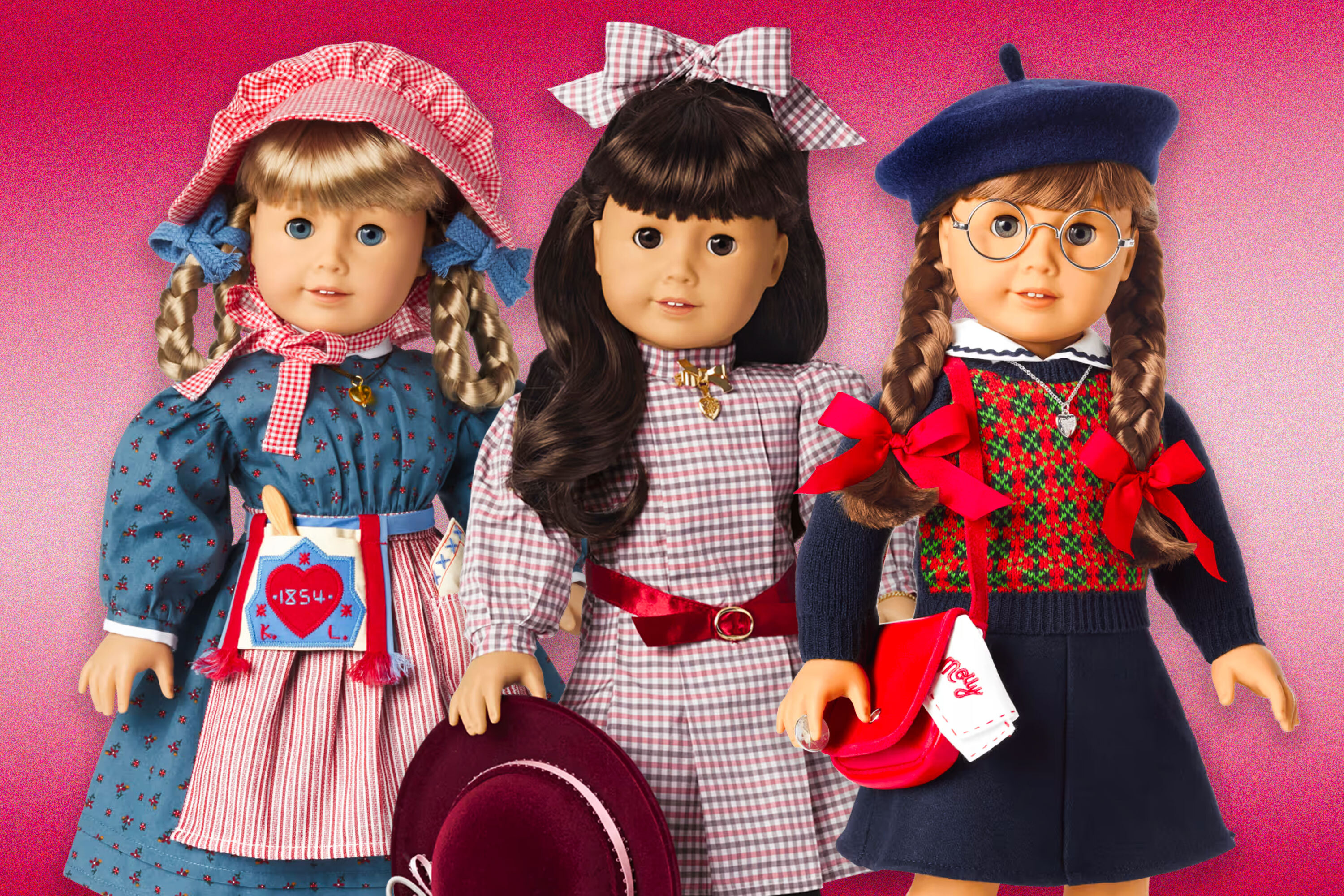
Her hunt for a vintage Kirsten made by Pleasant Company, before Mattel bought the brand in 1998, had been underway for some time. Her daughter had been saving her lemonade stand profits toward a purchase. Mom had seen a newer version of the doll for sale, but she was holding out.
"I'm finding an OG," she told me.
The retro doll was listed for $90, but she talked the seller down to $75. "This doll exchange is serious business," she told me.
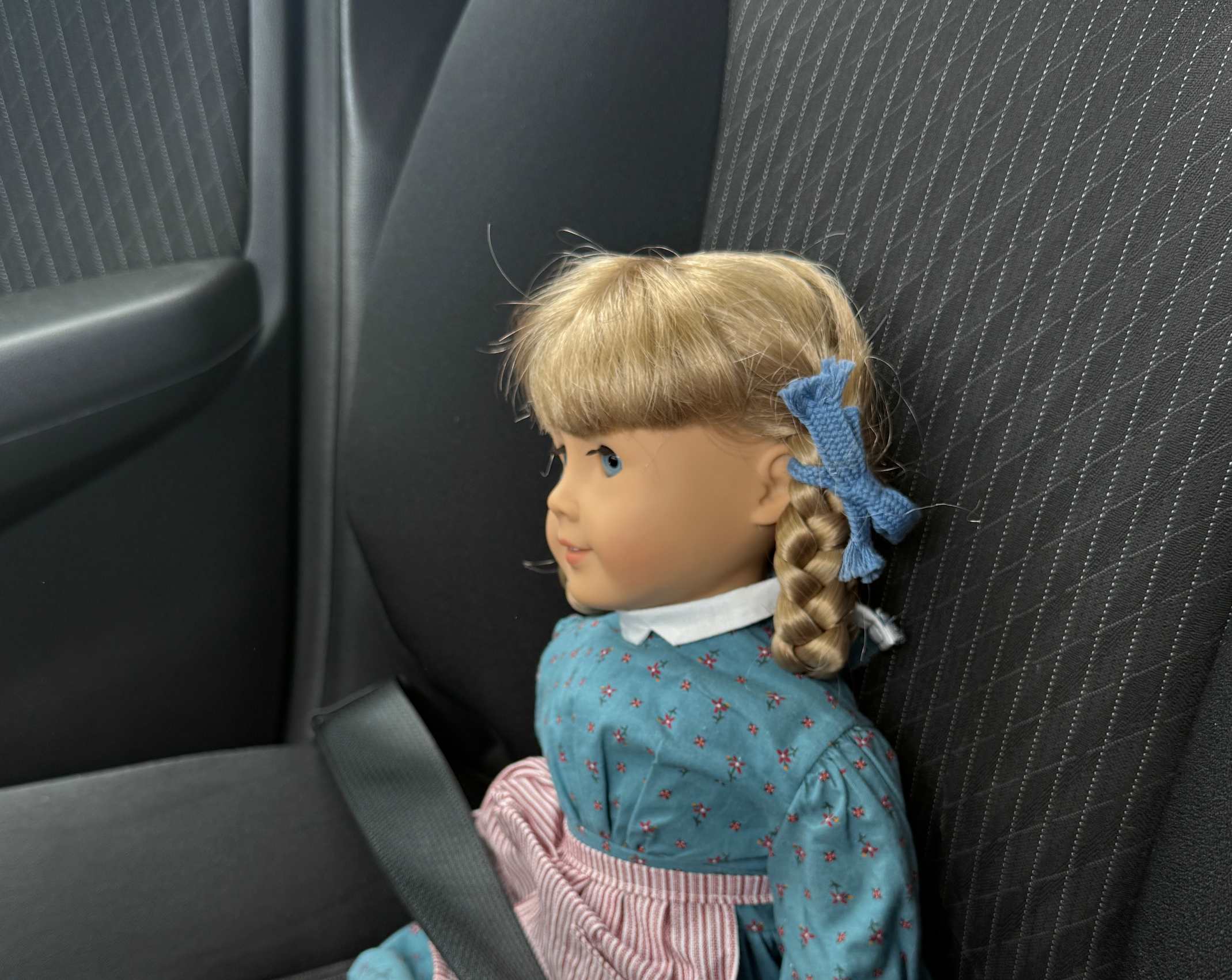
Then came the relay: I picked up Kirsten and drove her home. My husband took the doll on the next leg of its journey, handing her off to one very happy little girl and her mom, who live over an hour away. Three adults and over three hours in the car — all to get one childhood favorite into a new pair of tiny hands.
As American Girl marks its 40th anniversary this year, the girls who once played with the originals are now raising children of their own. Some are taking their old dolls out of storage for them. Others are searching Marketplace and eBay for the Kirstens, Samanthas and Mollys they remember. And then there are those who are buying newly rereleased versions of the historical dolls in stores for the anniversary.
But sharing a cherished childhood favorite means handing it over to someone with their own ideas. Their Gen Alpha kids decide what happens next — swapping Kirsten's prairie dress for a modern outfit, loving Samantha but asking for a pink-and-purple-haired doll for Christmas or packing the dolls away before Mom is ready.
Why the originals still matter
Dorothy Sasso tells Yahoo she was introduced to American Girl by her librarian at age 7. She tore through the historical fiction books that put girls at the center of the story before discovering a postcard advertising the dolls.
"Oh my God, there are dolls!" Sasso, 45, remembers thinking.
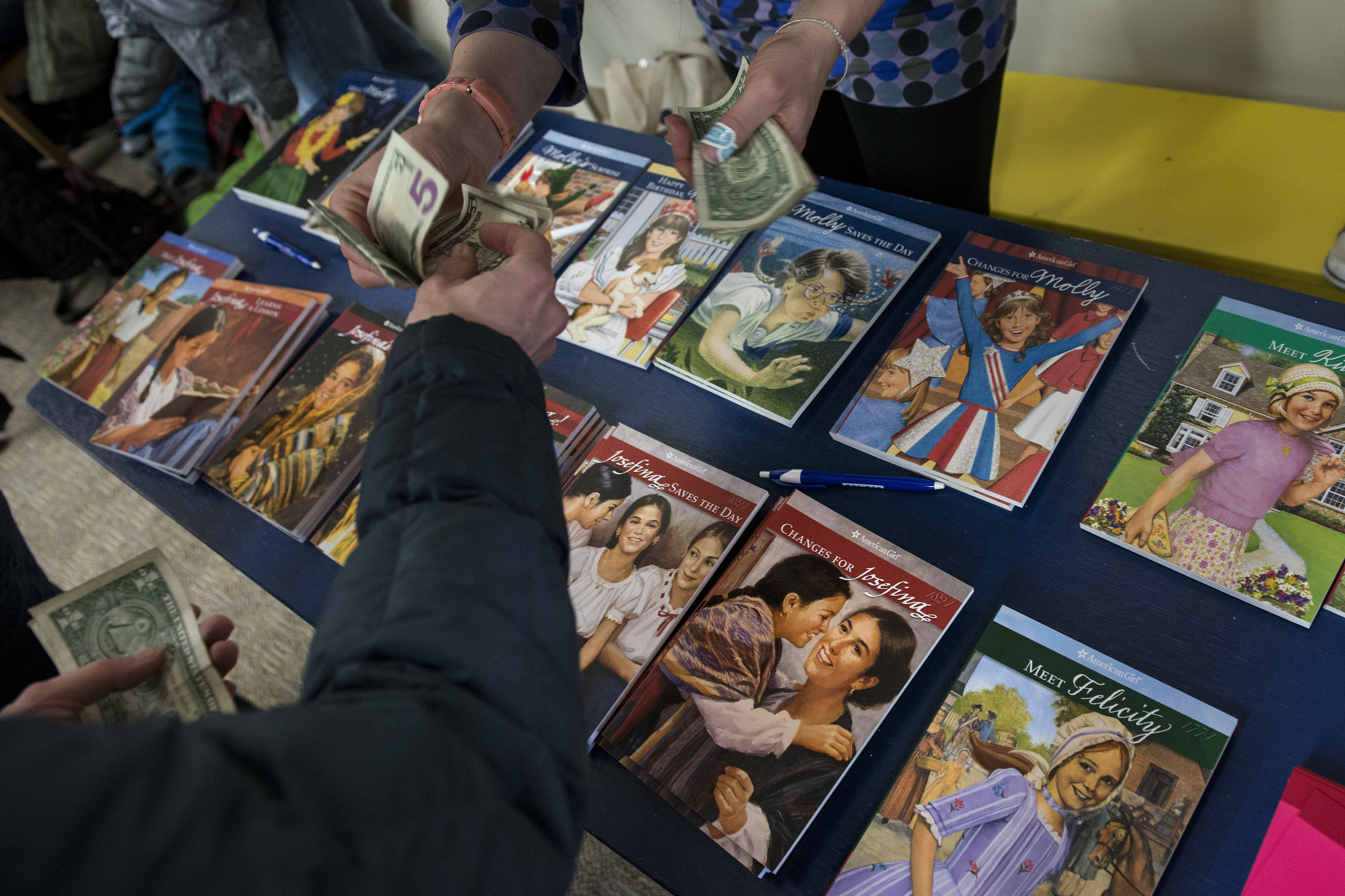
Sasso was gifted Samantha for Christmas in 1988 and took her everywhere. An avid reader and future history teacher, she was drawn to the character's rich story: an orphan living with her wealthy grandmother in New York in 1904.
It was mom-approved. Sasso's mother bought herself a Molly, whose story is set during World War II.
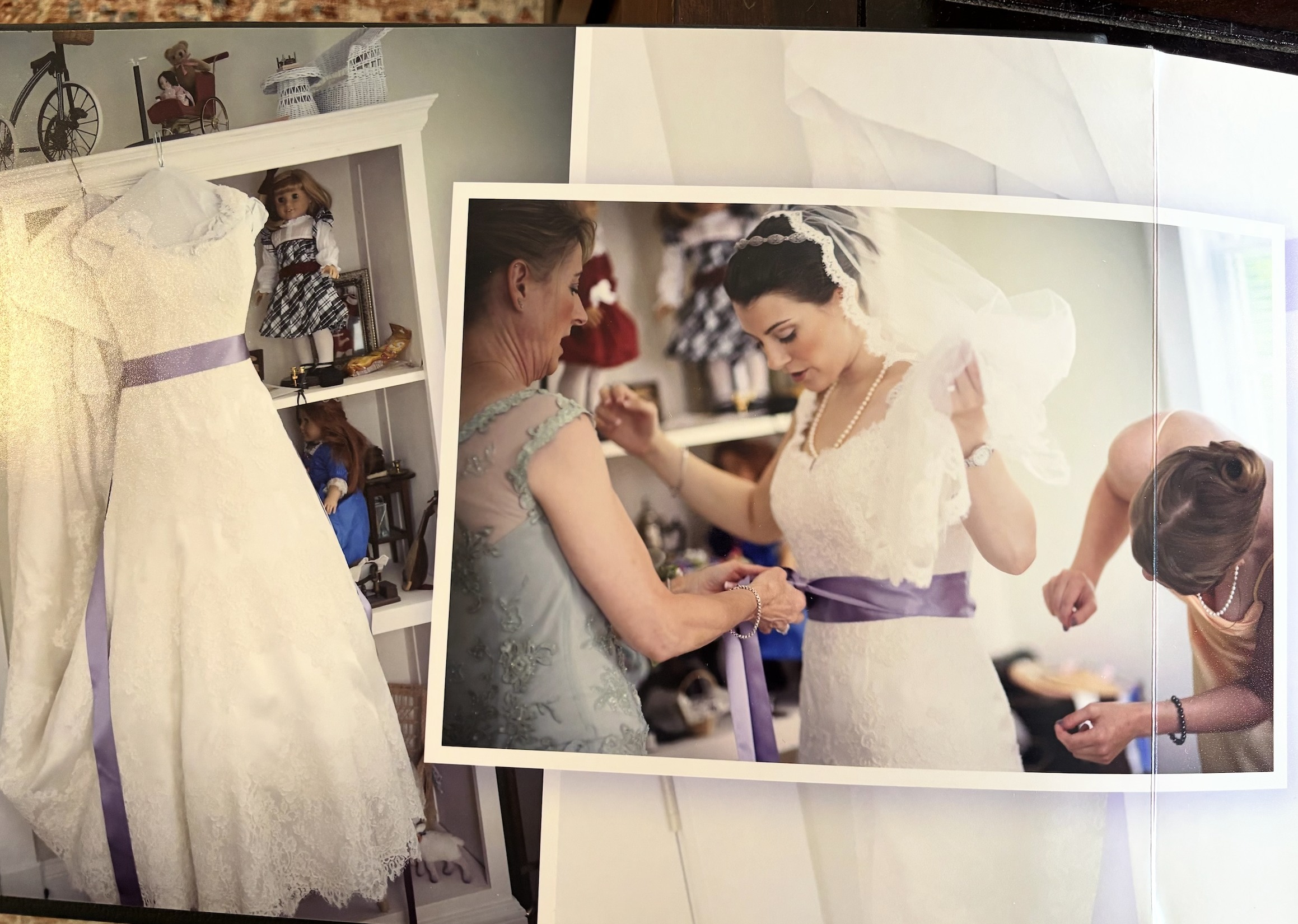
At 10, Sasso saved up for Felicity, whose story is set during Colonial Williamsburg circa 1774, and cared meticulously for both dolls. Part of the appeal was the detail of their miniature worlds. Sasso remembers high-quality wooden furniture and ceramic accessories that she treasured and held on to for decades. The dolls even made a cameo in the background of Sasso's wedding day photos.
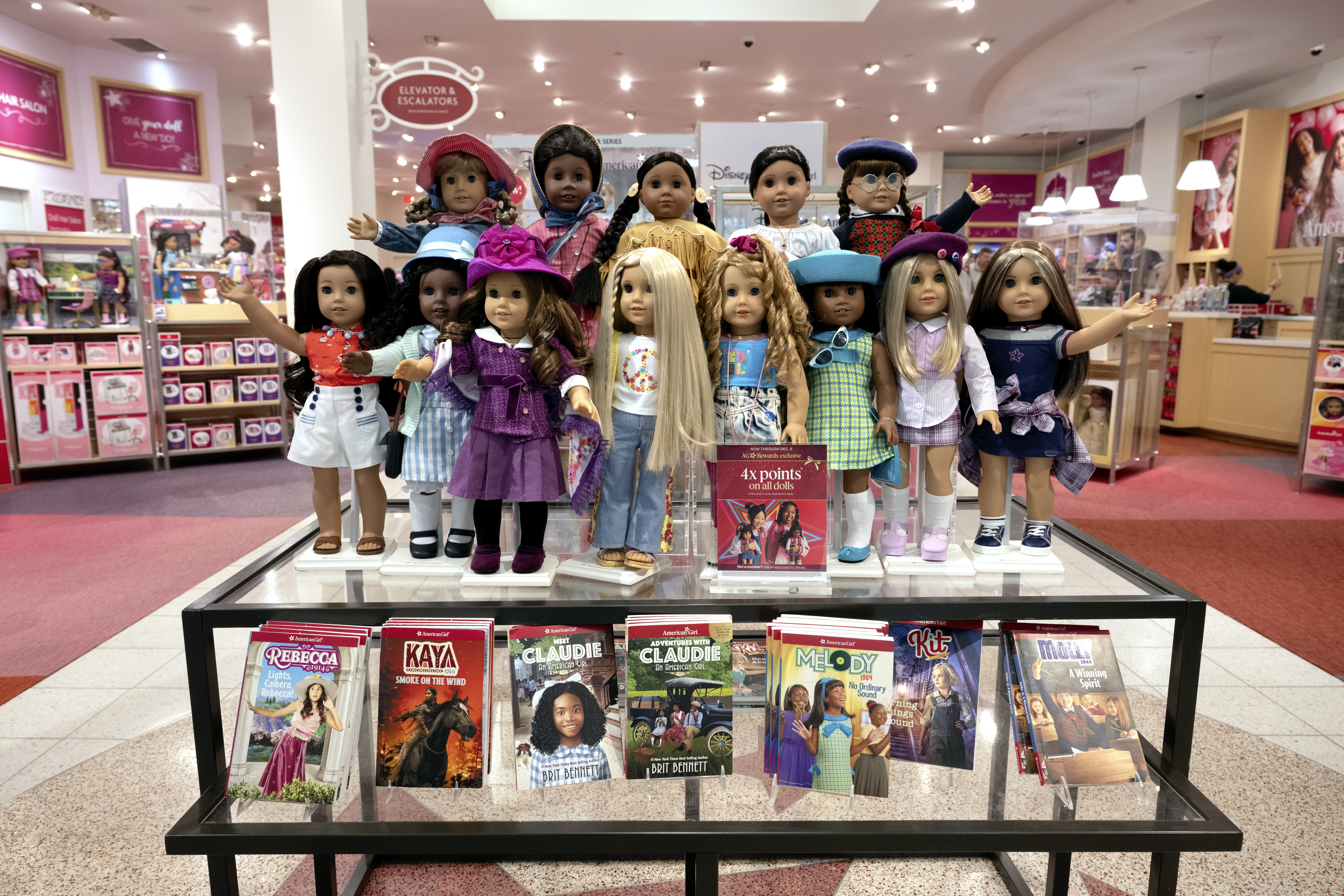
Launched in 1986 as Pleasant Company, American Girl grew from mail-order catalogs to stores, and the dolls evolved too. Today, historical characters share space with contemporary lookalikes (Truly Me dolls with varied skin tones, eye colors and hair textures), baby dolls, Girl of the Year characters and even Disney princesses.
For children's author and former American Girl magazine editor Aubre Andrus, the attachment goes beyond the dolls themselves.
"They've always taken girlhood seriously," she tells Yahoo. "I just remember feeling so safe and understood, and felt like the things I cared about mattered."
Passing down the dolls
When Sasso's parents sent her childhood American Girl collection to her, she brought it out for her daughters, Claire, now 12, and Audrey, now 10.
"They loved it," she says. But watching little hands playing with the wooden and ceramic accessories made her anxious. "My 3-year-old should not be handling this," she thought. Still, she set up pieces in the kitchen and let them play.
During COVID, they read the historical books chronologically, from Kaya's world in 1764 through Julie's in the 1970s. The girls recognized the outfits and accessories in the illustrations.
"'Wait, you have that in the other room,'" they would say, before running to get the pieces. "'Oh my God, that's from the picture.'"
The first dolls the girls got for themselves were lookalikes. Later, gift cards from their Molly-owning grandmother allowed each of them to choose a historical character as well, making it three generations of American Girl fans.
Sasso then started searching eBay and resale listings for additional historical dolls and older accessories for the girls, entering what she calls a "very thriving buy-sell market." (One seller is asking $2,500 for a set of six original dolls.)
The girls have since packed all the dolls away in the attic, "which was so sad for me," Sasso says. "I was very emotional about it."
She had expected the doll years to last longer, as they had for her. But her daughters are on their own timeline. The dolls still come out now and then — like when Audrey's friends visit — but they're otherwise preserved with Claire and Audrey already imagining passing them down to their own children someday.
Andrus says passing her original Kirsten down to her daughters, ages 8 and 4, comes with a different worry: getting the doll safely from her parents' house in the Midwest to her home in California.
"I'm so precious about her," she says. "If she were to be lost, it would be so sad."
Her daughters already play with Andrus's '90s clothes and accessories. She feels that sharing them means "giving your daughters a piece of girlhood that meant so much to you."
Old favorites, fresh out of the box
For some families, bringing back that classic piece of childhood means buying new. American Girl's anniversary rereleases offer a route to the historical characters their moms grew up with — with a brand-new box, no musty attic smell and no fear of it going missing during shipping.
American Girl dolls have always been a substantial purchase: In 1986, one with a paperback book cost $68. Today, a rereleased Kirsten with a book and accessories sells for $175.
Influencer Mary Orton Scudellari posted a lighthearted recap of her trip to American Girl Place with her daughters, along with some nostalgic ground rules.
"'You may choose any doll* you want,' I said, gesturing exclusively to the historical dolls," she wrote. She added the footnote, "*Dolls introduced after 1997 are not recognized by this administration, obviously."
She also described her daughters' store visit as "every mother's dream" of "using her children as plausible cover to revisit the defining obsession of her own girlhood."
Other moms' visits take a different comic turn: They arrive picturing their child getting Kit only to go home with Rapunzel.
Andrus says taking her older daughter to American Girl Place to choose her first doll "felt like a rite of passage." She understands why moms are thrilled to "open that door again and be back in that world."
The experience has led the former American Girl magazine editor to campaign to revive the publication, which folded in 2019. Her daughter turning 8 made the mission even more personal. With renewed interest in nostalgia and analog experiences, she believes the timing is right.
"It just feels like this cultural moment," she says. "What strikes me is that people aren't only saying, 'I miss this,' they're saying, 'I want this for my daughter.'"
Their dolls, their rules
Kids may be introduced to the dolls through mom, but the play experience — whether the doll is old or new — is all their own.
My cousin was "gutted" when her childhood Molly disappeared during an apparent cleanout of her parents' basement. For her daughter, though, she saw a match in Kirsten: a girl discovering a new world, much like her almost-7-year-old.
But Kirsten didn't have to stay in the 1850s. By summer's end, the doll I'd delivered in her original blue floral dress and apron had a modern wardrobe, including two ice-skating outfits. Mom had introduced the toy. Her daughter decided what came next.
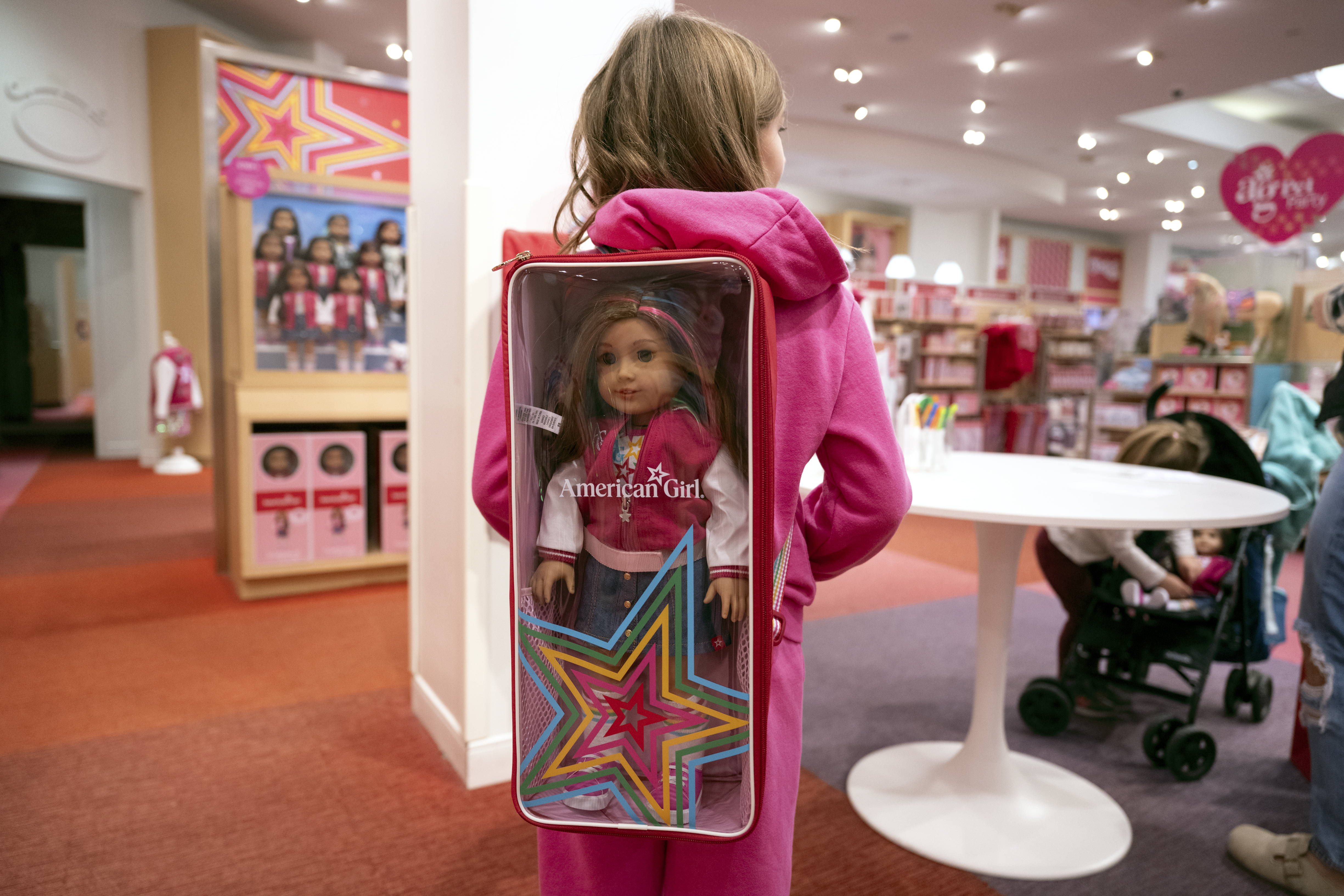
My Yahoo colleague, Kate Murphy, 41, relates. She tells me she saved her childhood dolls, hoping to pass them down someday. During an impromptu visit to American Girl's New York City store last November, she pointed out Kirsten and Samantha to her 6-year-old daughter, Jackie, and asked whether she would like the ones she'd saved.
"Her eyes lit up," Murphy says. The dolls came out of storage in her parents' attic upstate and arrived that Thanksgiving, along with furniture and bedding Murphy's own parents had made for Kirsten.
Jackie enjoys the originals, reports Mom, but the doll at the top of her Christmas list this year has pink and purple hair — her two favorite colors — and eyes that match hers.
"She told me, 'It looks just like me, but I'm just pretending to have purple and pink hair, Mommy,'" Murphy says.
Murphy absolutely loves Jackie's choice, which the girl spotted in a catalog.
"The two dolls belonged to me, and I want her to be able to have a doll of her own that looks like her," she says.
For Murphy, passing down the originals also means letting go of some childhood rules. When she played with the dolls as a child, she never wanted to undo Kirsten's braids or brush out Samantha's hair. So far, Jackie has only been interested in changing their clothes, but Murphy knows that might change.
"I might twinge a bit at first if she decides to brush out their hair, but if that's how she wants to play, let her," she says.
"These dolls belong to her now."
This article originally appeared on Yahoo Life at https://www.yahoo.com/lifestyle/family-relationships/showcase/owning-an-american-girl-doll-was-a-millennial-flex-gen-alpha-is-making-them-their-own-144743066.htmlPopular Products
-
 Classic Oversized Teddy Bear
$23.78 -
 Gem's Ballet Natural Garnet Gemstone ...
$171.56$85.78 -
 Butt Lifting Body Shaper Shorts
$95.56$47.78 -
 Slimming Waist Trainer & Thigh Trimmer
$67.56$33.78 -
 Realistic Fake Poop Prank Toys
$99.56$49.78