Singapore’s Provision Shops Struggle To Keep Shutters Open In Hdb Heartlands
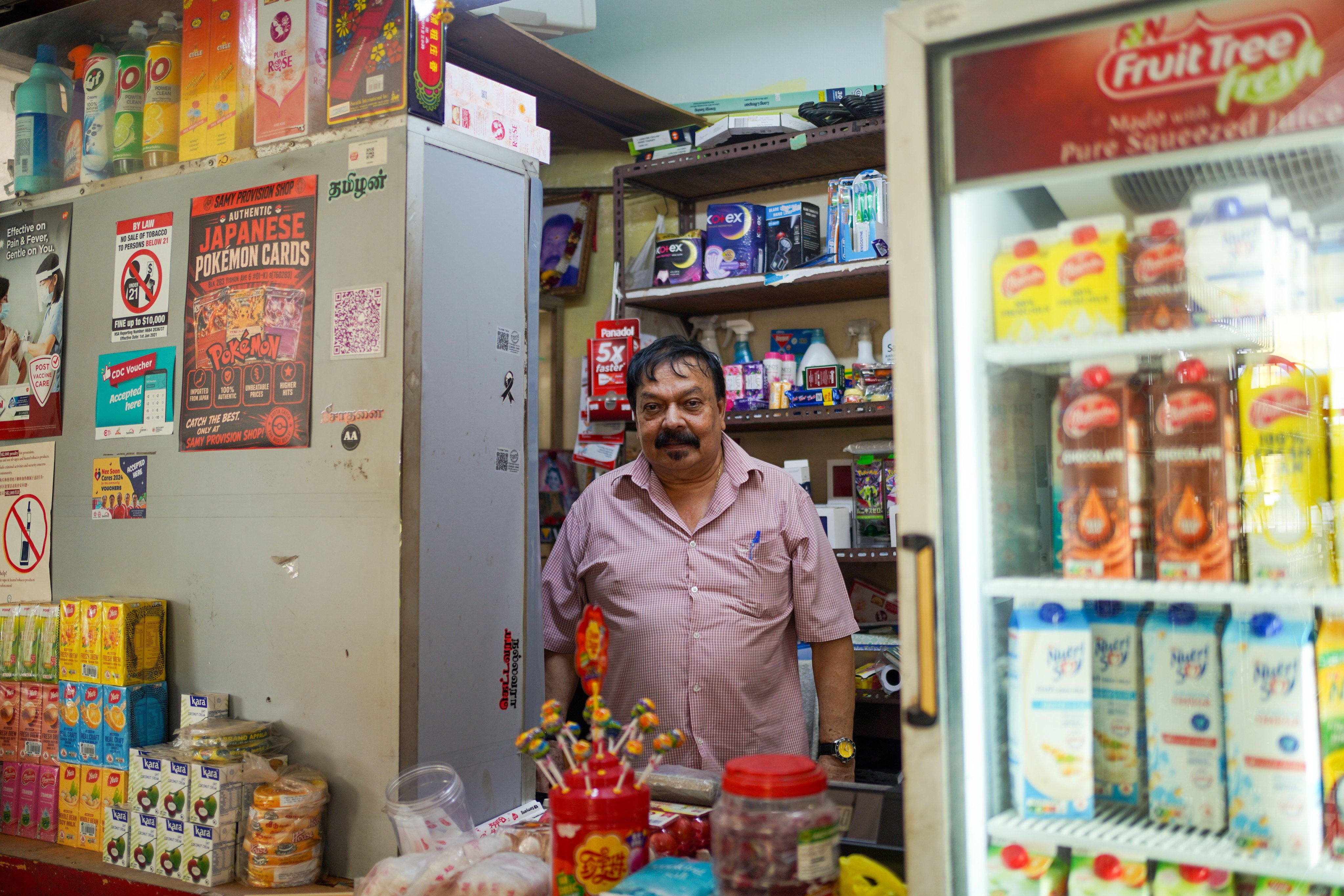
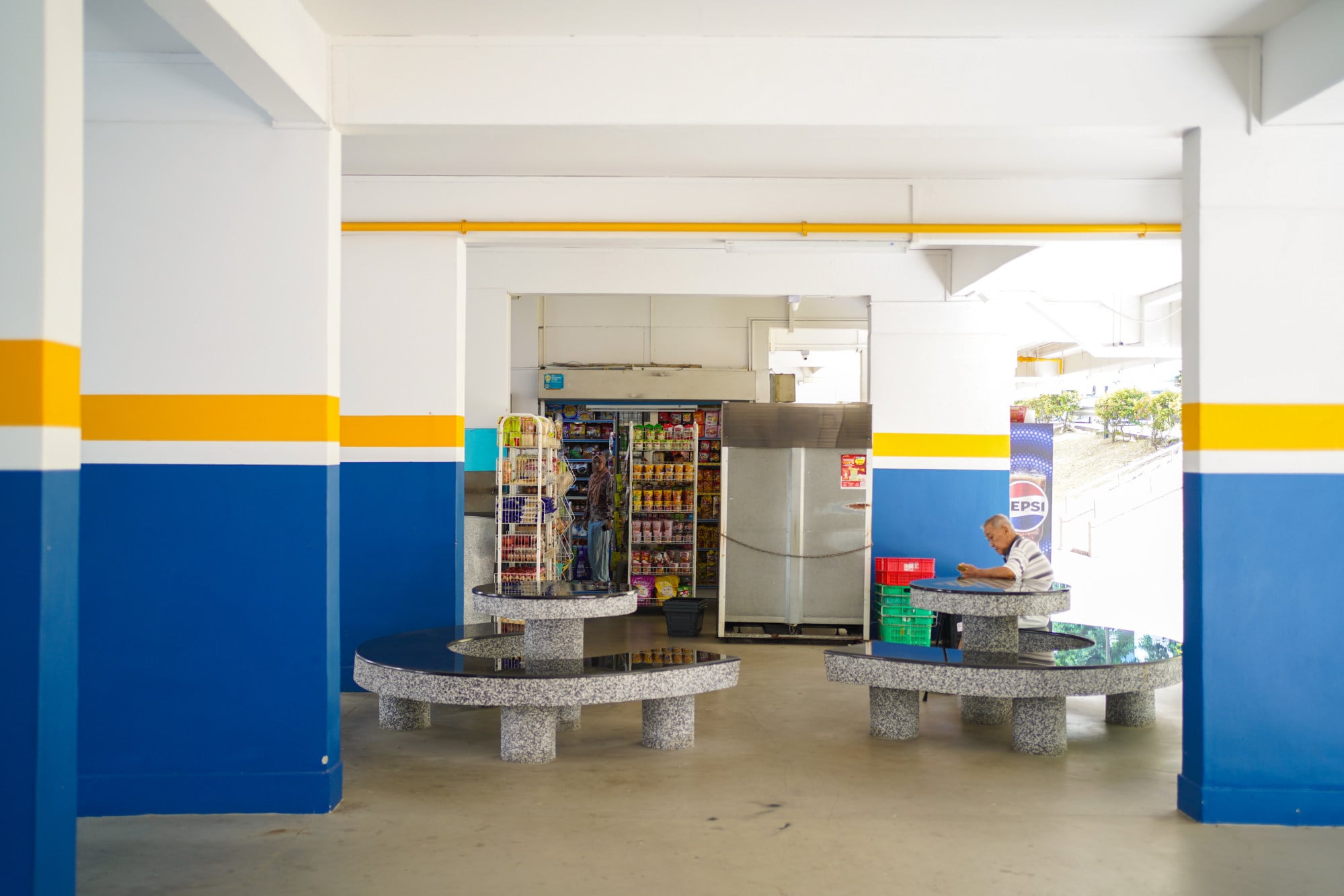
Surrounded by a clutter of carton boxes, bottles of dishwashing liquid and rows of dry snacks, Ramasamy Vellasamy holds court behind a cashier. For nine hours a day since 1986, he has been running a provision shop on the ground floor of a housing block in northern Singapore and knows the neighbourhood and its residents like the back of his hand.
Despite Samy Provision Shop’s enduring presence, it was barely breaking even, said Ramasamy, who lamented the struggle of adapting to the ever-shifting preferences of his customers.
The racks of vegetables and spices which used to front his store have disappeared over the years. “Nowadays, nobody cooks and everybody just presses buttons on their phones to order delivery or dabao [takeaway],” the 75-year-old said.
When Ramasamy first raised his shutters in the 1980s, there were about over 560 standalone provision shops but the number has now dwindled to under 250, according to local media, citing data from the Housing Development Board (HDB).
Increased competition, high rents and the lack of successors have snuffed out many such stores, according to industry observers.
Sales at retail stores stocking daily and other items in Singapore have reportedly been falling in recent years, with online competition cited as a major factor. Within this retail segment, shops run by the likes of Ramasamy are facing strong competition from minimarts and convenience stores.
Such shops, which operate on thin margins and small transaction values, lose out to larger retailers who are better positioned to negotiate wholesale prices and spread business costs across outlets, according to Lee Kwan Ok, professor of real estate and deputy head at the National University of Singapore Business School.
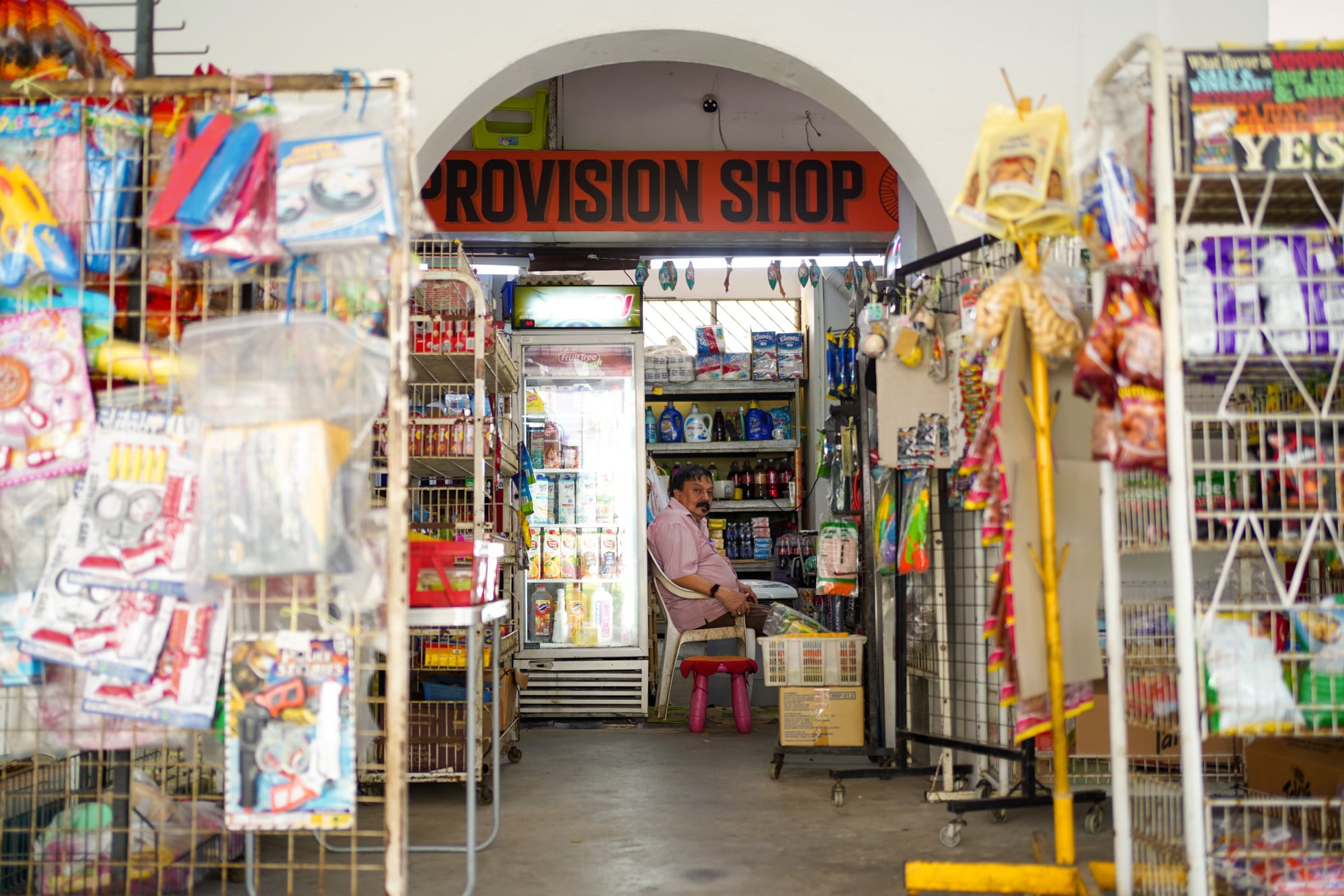
Chen Liang, an associate business professor at the Singapore Management University, said delivery options from minimart chains and convenience stores operating around the clock had further piled the pressure on small shops.
“The final issue is that a lot of these shops only work because the family isn’t really paying itself. The next generation can earn far more elsewhere, so nobody takes over,” he added.
The surge in oil prices amid the ongoing conflict in the Middle East has also worsened the situation, with suppliers and delivery companies increasing costs.
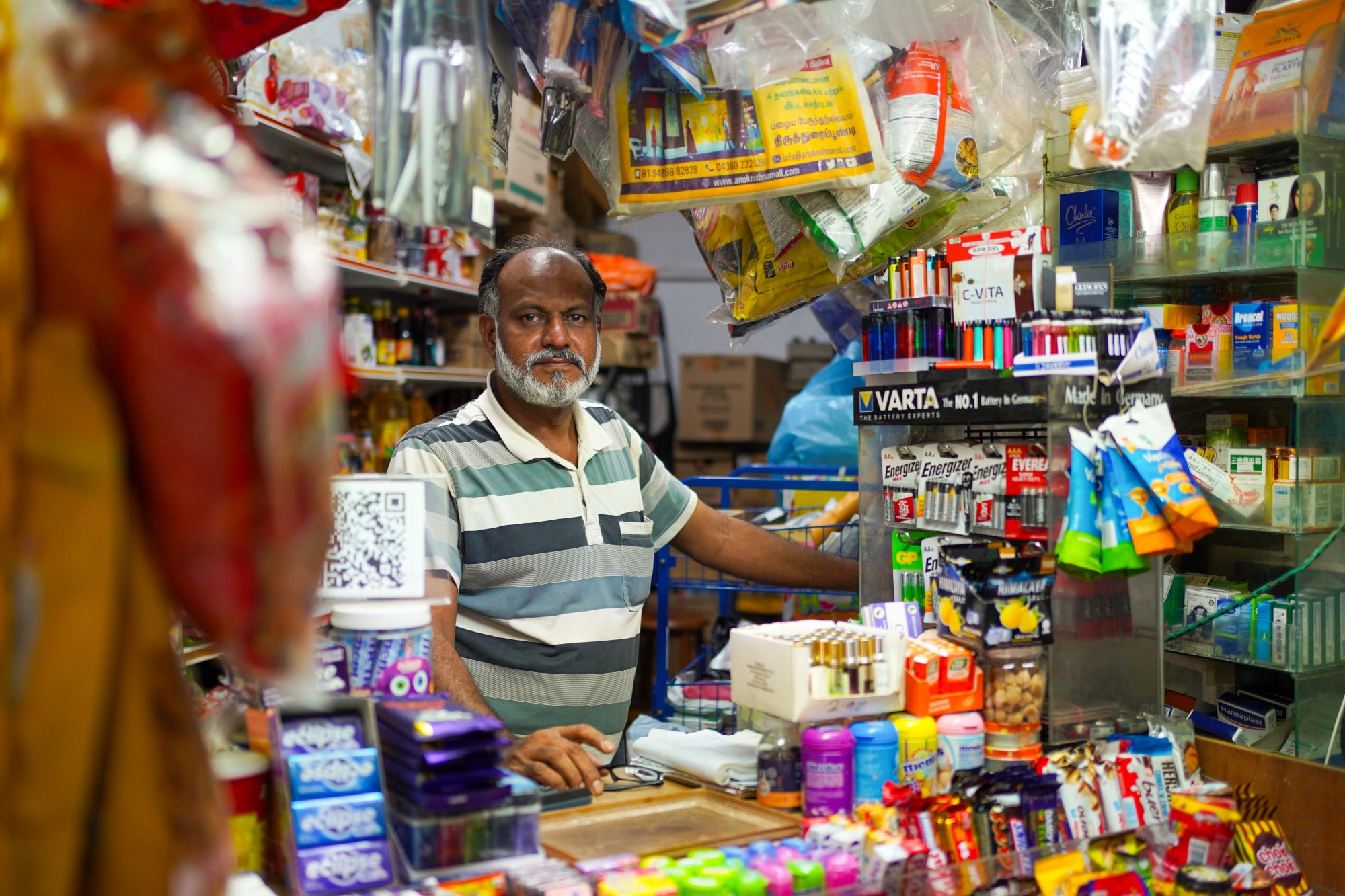
Abdul Rawoof, who has been running a provision shop in the eastern estate of Marine Parade for 11 years, said his profit margin had been cut significantly because he had been absorbing most cost increases instead of passing them on to customers.
“Now I sell a big bottle of soft drink at S$2.80 [US$2.20], and there’s no way I can raise it to S$3 because that’s a lot of money for some people,” the 52-year-old said.
Provision shops also face succession issues, with some operators’ children indicating that they have no wish to carry on the trade.
“My children are not learning the business, they don’t want to take over, they are doing their own thing,” Ramasamy said. “Here, I earn about S$100 to S$150 a day, and they can earn much more in their jobs.”
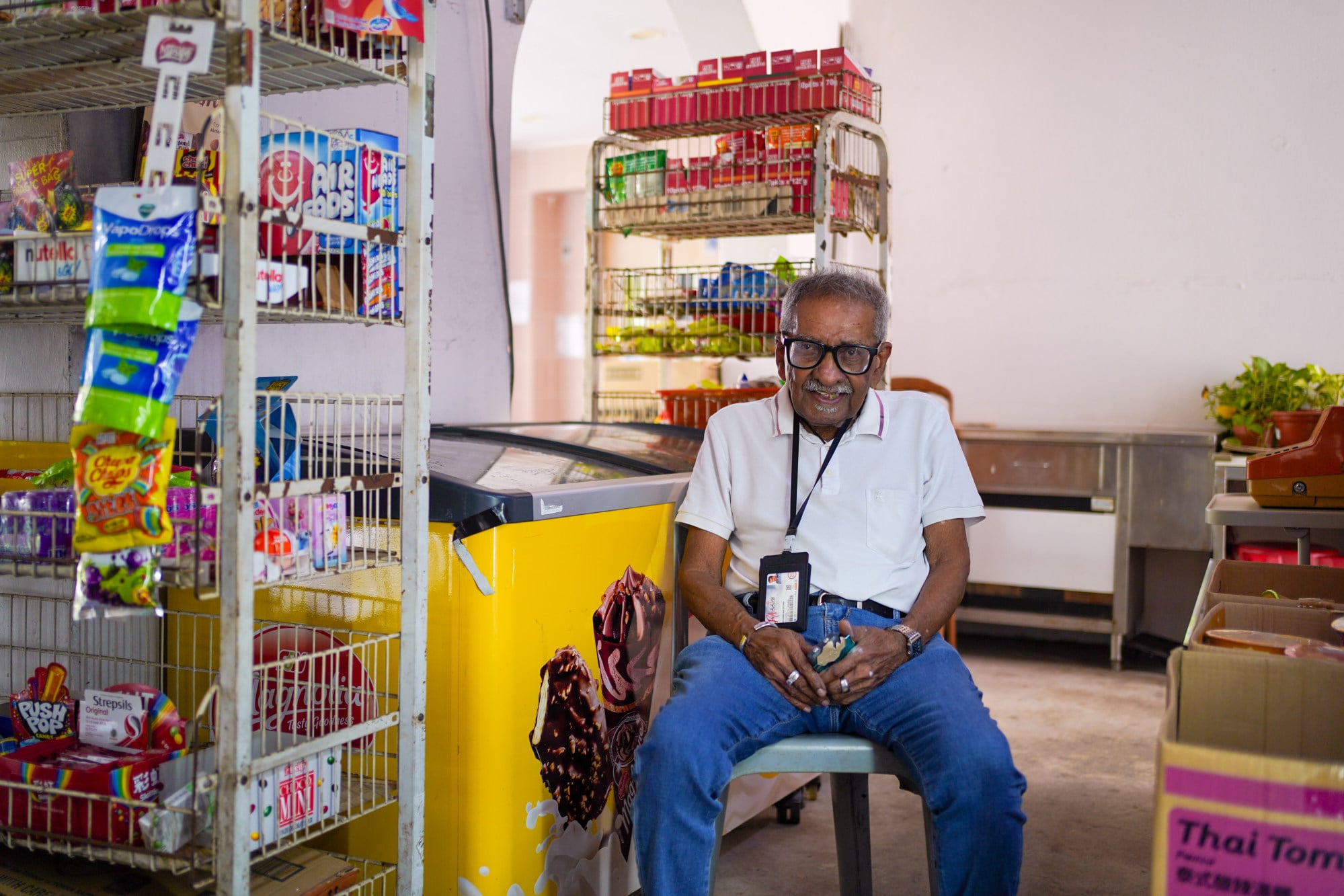
Twice a week, Gani Idris hangs out at Ramasamy’s shop as he waits for his wife to finish her physiotherapy session. The two men chat about family matters and the frequent aches in their legs, which seem to worsen during the rainy season.
The 88-year-old, who has lived in the estate for a decade and is one of Ramasamy’s regular patrons, said the shop was a lifeline for elderly residents. “It’s a good way for us old people to talk to each other. Sometimes youngsters at home don’t want to talk to us.”
The shop, a mere lift ride away from Gani’s house, also meant that he did not have to take a bus to the nearest supermarket, a routine that would tire him.
Provision shops, which are typically located on the ground level of public housing blocks and are known colloquially as mama shops for generations of Singaporeans, serve a broader purpose beyond customer engagement, according to retail experts.
The name mama, meaning “uncle” in Tamil, stemmed from the Indian ethnicity of its owners, said Yeo Kang Shua. The associate professor of architecture and sustainable design at the Singapore University of Technology and Design noted that provision shops run by other ethnic groups have also sprouted in the city state.
These shops act as informal social spaces and help foster familiarity and a sense of belonging, according to Yeo. “From an urban perspective, mama shops help animate public spaces, bringing activity and informal oversight to residential areas.”
“Although many traditional shops have declined due to competition from larger retailers, the need they fulfil has not disappeared,” Yeo said. “Culturally, they reflect Singapore’s history of small-scale entrepreneurship and neighbourhood life.”
Lee noted that the shops’ proximity to residents helped support a more walkable urban lifestyle by reducing car journeys. The short distance also becomes more important as Singapore’s population ages, according to Lee.
Megan Ng, a 36-year-old insurance agent, recalled visiting a now-defunct shop near her childhood home to buy snacks for her siblings after school. “I didn’t go to the supermarket since it was all the way across the road. The mama shop was a lot less intimidating because you couldn’t get lost in one,” Ng said.
Whenever she came up a few cents short, the shopkeeper would grant her a credit line. “Instead of making me put the item back, she said she trusted me and told me it was OK to pay the next time I saw her.
“They are definitely disappearing, and it’s a loss because they really contribute to the sense of community.”
To boost his earnings, Rawoof has diversified his income stream by using his shop as a collection point for e-commerce orders, while Ramasamy has leased his space to other businesses such as claw machine companies.
In his latest move to boost sales, the owner of Samy Provision Shop on Tuesday spent more than S$1,000 on Pokemon cards, which now sit proudly at his storefront. “The children flock to them. They are flying off the shelves,” he said.
While the number of provision shops is expected to continue falling, they are unlikely to disappear from Singapore’s heartlands, according to analysts, who note that some stores have found ways to stay afloat.
“Realistically, we’re not getting back to the 1980s,” SMU’s Chen said. Instead, a smaller number of shops with multiple income streams and specialised products, such as rolling paper and henna, would have a chance to remain in business, he said.
While there is a case for targeted government support, it should not be implemented to shield these shops from bigger players, analysts say.
Lee suggested small grants for digital payments, inventory management and modest shop improvements, as well as succession programmes to match current owners with young entrepreneurs.
“The objective should be to help viable businesses adapt and preserve socially valuable neighbourhood functions. It should not be to compensate every shop indefinitely for declining demand,” she said.
Last September, Sun Xueling, senior minister of state at the Ministry of National Development, told parliament that the rent for 90 per cent of shops held by the HDB had remained largely unchanged over the last five years.
As of August last year, there were around 15,500 HDB shops, of which about 8,500 were privately owned and 7,000 leased out by the HDB, including those owned by Ramasamy and Rawoof. To keep rents low, HDB had the option of acquiring privately owned shops and leasing them out if there was a need to meet demand in existing estates, Sun said.
Chen suggested setting aside some units in each precinct for provision shops and charging rent based on turnover instead of area. “And then pay the shops for community work: such as parcels collected or helping elderly residents with their phones or their government apps,” he said.
Yeo said Singapore should strive to sustain a diverse retail ecosystem and avoid having standardised neighbourhoods and shop space dominated by larger operators.
“We should not only pay attention to mama shops when one is about to close. What is often lost is not just a business, but also the long-standing relationships between the owner and the neighbourhood,” he said.
“The key question is whether future neighbourhoods will continue to make room for small, independent businesses that are closely connected to the communities they serve.”
Popular Products
-
 Electronic String Tension Calibrator ...
$41.56$20.78 -
 Pickleball Paddle Case Hard Shell Rac...
$27.56$13.78 -
 Beach Tennis Racket Head Tape Protect...
$59.56$29.78 -
 Glow-in-the-Dark Outdoor Pickleball B...
$49.56$24.78 -
 Tennis Racket Lead Tape - 20Pcs
$51.56$25.78