The Machines That Defined American Coffee Are Now Out Of Family Hands
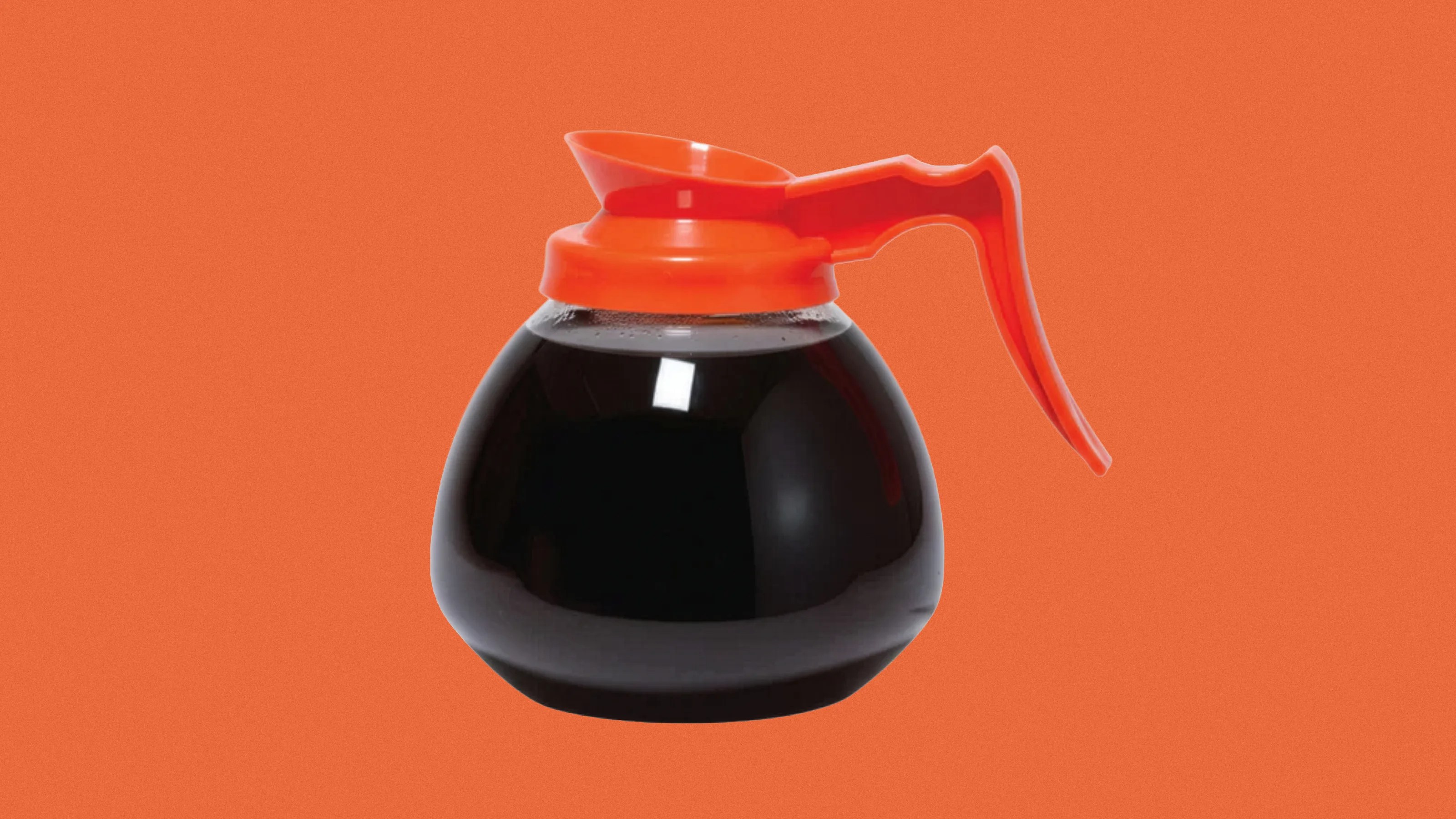
The company behind generations of American coffee just went global.
Last week, the coffee equipment world got a jolt that had nothing to do with caffeine. An iconic name and family business in American commercial coffee making — a brand whose machines have brewed more pots of coffee than most of us could count — was acquired by a global foodservice equipment conglomerate.
The terms of the deal were not disclosed, and for now, details remain sparse. But while the business implications remain unclear, the moment itself deserves pause. It marks the end of a long, unlikely, and deeply American story — one that helped define how this country drinks its coffee.
Welcome to Power Moves: Diving deep into the product and brand moves that can change where a category is headed. Discover more here.
The heart of American coffee culture
BUNN — formally Bunn-O-Matic Corporation — didn’t start as a coffee company. It traces its roots back to 1840, when Jacob Bunn opened a grocery store in Springfield, Illinois, with a young Abraham Lincoln among its regular customers.
Over a century later, in 1957, George R. Bunn pivoted the family’s business into the beverage equipment space, developing a flat-bottom paper coffee filter and early gravity-drip commercial brewing systems.
The company introduced its first automatic drip coffee maker in 1963 and, by 1972, had expanded into the home market — a trajectory that made it a fixture in diners, offices, convenience stores, and kitchens across America for the better part of the next half century.
The company introduced its first automatic drip coffee maker in 1963 and, by 1972, had expanded into the home market — a trajectory that made it a fixture in diners, offices, convenience stores, and kitchens across America for the better part of the next half century.
BUNN’s machines were never the darlings of craft coffee culture — they were its opposite. Bomb-proof, no-nonsense brewers that powered diners, hospital waiting rooms and office break rooms long before anyone was debating single origins or third waves.
And yet, the affection they earned is hard to overstate. Few things capture it better than Tom Petty’s well-documented obsession, as told by Warren Zanes — proof that even the most unassuming coffee machine can become something close to sacred.
The brand held the kind of loyalty money couldn’t buy, as a quiet, unpretentious American institution that rarely made headlines until something forced it into the spotlight.
What’s happened to the brand since the turn of the century is harder to pin down specifically. But the macro signs of change in American coffee drinker culture are clear as day.
Starbucks began its national expansion in the late 1980s and 1990s, turning coffee into a customizable, espresso-driven ritual.
BUNN’s machines were never the darlings of craft coffee culture — they were its opposite. Bomb-proof, no-nonsense brewers that powered diners, hospital waiting rooms and office break rooms long before anyone was debating single origins or third waves.
In 1998, Keurig introduced the K-Cup, helping normalize single-serve convenience and eventually capturing a massive share of at-home consumption.
By the early to mid-2000s, Nespresso pushed the category further upscale in the U.S., reframing pod coffee as a premium experience.
Layer in the rise of third-wave cafés in the 2000s and 2010s, and the center of gravity shifted: away from batch-brew workhorses and toward coffee that’s personalized, elevated and, increasingly, part of someone’s identity — leaving brands built on ubiquity, like BUNN, with a smaller slice of the culture they once defined.
A recent report from restaurant platform Toast suggests drip coffee demand in restaurants has been slipping, while lattes and specialty drinks continue to gain ground.
Whether that slow drift played a role in the family’s decision to sell isn’t clear — but it’s hard to ignore the timing.
A changing of the guard
According to the scare details included with the announcement, BUNN will now operate within the company’s Welbilt portfolio, which was created after Ali Group merged with Welbilt, Inc. in the summer of 2021, joining roughly 115 brands under one roof.
The buyer is Ali Group, a Chicago-area foodservice equipment conglomerate that describes itself as the world’s largest foodservice equipment group by sales.
And this acquisition is far from the company’s first, even in the coffee space.
The buyer is Ali Group, a Chicago-area foodservice equipment conglomerate that describes itself as the world’s largest foodservice equipment group by sales.
Coffee consumers may recognize Ali Group through its ownership of the Rancilio Group, which it acquired in 2013, bringing in both the classic Rancilio espresso equipment line and the Swiss-made Egro superautomatic brand.
According to the scare details included with the announcement, BUNN will now operate within the company’s Welbilt portfolio, which was created after Ali Group merged with Welbilt, Inc. in the summer of 2021, joining roughly 115 brands under one roof
As for what comes next, no specific details about operational changes have been announced. But Ali Group’s track record with acquired brands offers at least some reassurance — the company has generally maintained and developed the brands it acquires rather than folding them into oblivion.
That said, concern is already surfacing on platforms like Reddit, with BUNN’s Springfield, Illinois workforce — estimated at around 850 employees — the subject of significant speculation. The questions about what the deal means for American jobs and production remain unanswered for now.
What’s clear is this: regardless of how the acquisition ultimately plays out for the brand, it marks the end of an era. BUNN spent nearly 70 years as a family-owned American institution, quietly making the coffee that made America run. That chapter is now closed. Whether the next one is written just as well remains to be seen.
Popular Products
-
 Classic Oversized Teddy Bear
$23.78 -
 Gem's Ballet Natural Garnet Gemstone ...
$171.56$85.78 -
 Butt Lifting Body Shaper Shorts
$95.56$47.78 -
 Slimming Waist Trainer & Thigh Trimmer
$67.56$33.78 -
 Realistic Fake Poop Prank Toys
$99.56$49.78