Wave Of Us Tariff Refunds Flows Back To Chinese Firms, Buoying Profits By Millions
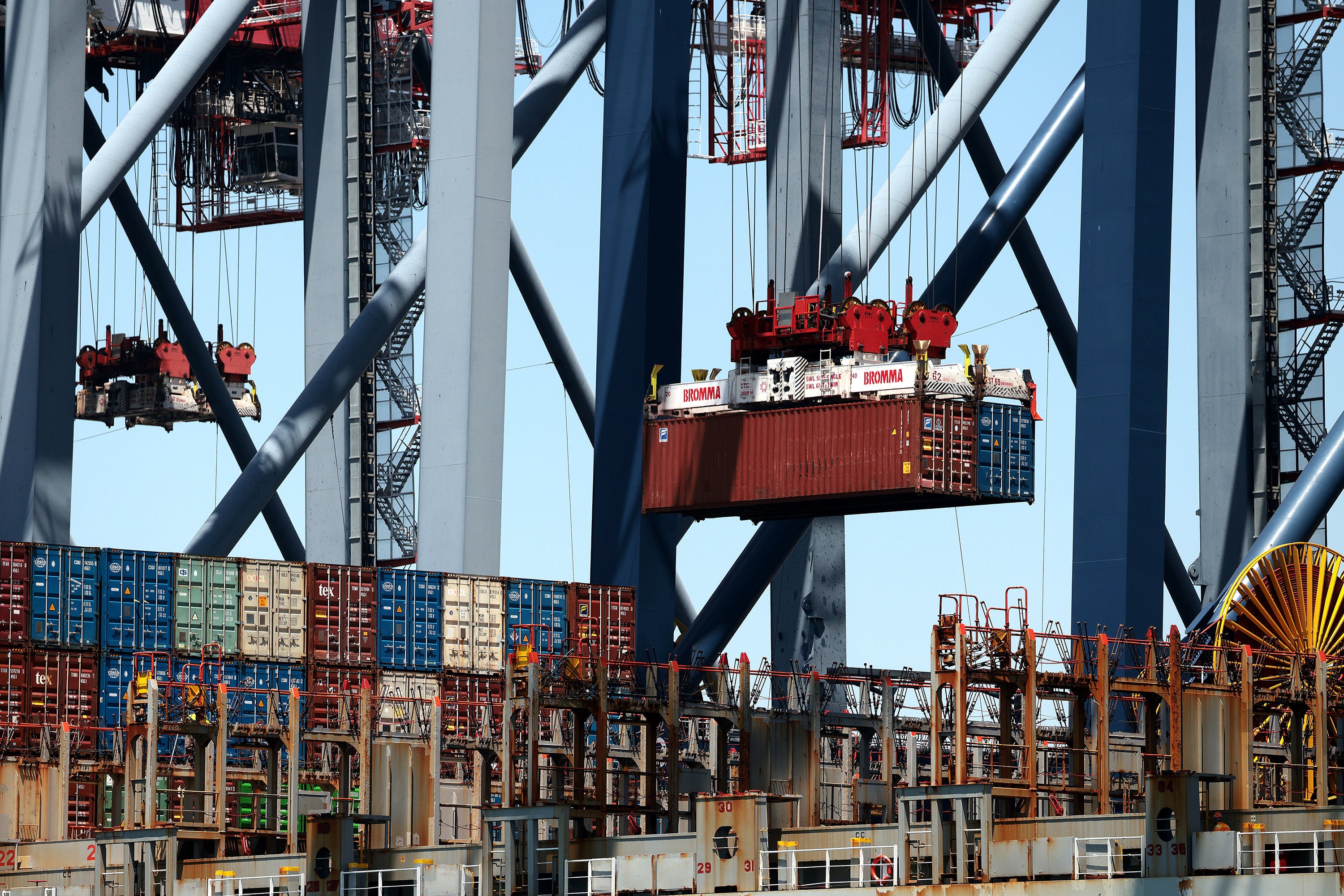
The wave of US tariff refunds is reaching Chinese companies. More than US$38 million in tariff rebates, plus accrued interest, from US Customs and Border Protection (CBP) has landed in the bank accounts of five listed Chinese firms since last month, providing a windfall that is expected to bolster their earnings.
The five listed firms primarily operate in the automotive and healthcare sectors. Each secured an average tariff refund of US$7.64 million, representing between 13.12 per cent and 53.58 per cent of their 2025 net profit, according to the companies’ annual reports and filings. The funds were disbursed through accounts held by their US subsidiaries.
The largest payout went to the US subsidiary of Zhejiang-based Huahai Pharmaceutical, which has received more than US$14.2 million in tariff refunds. The sum is substantial for the drug maker, equivalent to 36.36 per cent of its full-year 2025 net profit. In its exchange filing, the firm noted that the refunds would “impact its profit in the second half of this year”.
Guizhou Tyre, based in southwest China, generated more than 45 per cent of its annual revenue from overseas markets last year. Its core products sold in the US are trailer and off-road tyres. In an announcement released on Friday, the tyre maker disclosed that its US subsidiary had received more than US$11.98 million in combined tariff refunds and interest, which would be factored into its 2026 financial statements.
And the wave is far from finished. Figures from Chinese data provider Wind show that more than a dozen mainland enterprises had either filed disclosures or responded to investors via online interaction platforms, confirming they had submitted applications.
“The tariff rebates benefit not only firms with US subsidiaries, but also original equipment manufacturers (OEMs),” said Zhou Zheng, an analyst with Shanghai-based Aijian Securities. “The refunds, in theory, will boost US importers’ appetite and financial capacity to restock, while curbing their urge to drive down prices in negotiations. This will ultimately benefit Chinese OEMs.”
Official figures show that CBP had disbursed US$100 billion in tariff refunds by the end of July. The sum accounted for roughly 60 per cent of more than US$166 billion in tariff revenue that the US federal government collected via sweeping duties – imposed last year by President Donald Trump – that the US Supreme Court struck down in February.
Multiple US businesses have also received their tariff reimbursements. Amazon.com, for example, said it had secured US$600 million in tariff refunds by late July.
Though the extra tariffs weighed on American consumers last year, billions in rebates are unlikely to deliver tangible benefits to shoppers at present, according to a KPMG survey.
The firm polled 300 US corporate leaders in February and found that only 18 per cent planned to fully remove the price surcharges they had previously imposed.
Meanwhile, the sweeping wave of tariff refunds is reducing US federal fiscal revenue.
A monthly statement by the US Treasury showed that the US government disbursed US$21.97 billion in tariff refunds in May, completely offsetting tariff collections of US$21.93 billion that month. In June, tariff payouts ballooned to US$49.18 billion, dragging net customs revenue down to negative US$25.56 billion.
“Taking all relevant factors into account – including US tariff rebates and personal income tax refunds – unless the US rolls out additional policies to boost household consumption demand, fiscal support for the US economy is set to weaken in the second half of the year compared with the first six months,” said Lu Zhe, chief economist at Suzhou-based Soochow Securities.
Tao Chuan, an analyst at Shanghai-based Guolian Minsheng Securities, wrote in a late-July research note that “the fiscal strain stemming from tariff rebates is intensifying for US government revenue”.
“Slumping customs receipts could push the US deficit ratio up by 0.3 percentage points,” Tao explained. “Existing tariff policies are insufficient to plug the revenue shortfall created by these repayments.
“We believe the Trump administration is dissatisfied with this outcome and is likely to roll out additional tariff measures.”
Popular Products
-
 Smart GPS Waterproof Mini Pet Tracker
$59.56$29.78 -
 Unisex Adjustable Back Posture Corrector
$71.56$35.78 -
 Smart Bluetooth Aroma Diffuser
$585.56$292.87 -
 Enamel Heart Pendant Necklace
$49.56$24.78 -
 Digital Electronic Smart Door Lock wi...
$211.78$105.89