Senior Support Groups: Connection, Contentment, And Community Wellness
By Jessica Daily, Senior Lifestyle National Director of Programming, and Jennifer Peterson, Willow Branch Hospice Community Engagement & Patient Services Coordinator
Wellness is often associated with physical health—staying active, maintaining routines, and caring for the body. Just as meaningful is something less visible: being connected, understood, and at ease in daily life.
That’s where support groups for seniors play an important role in emotional and social well-being.
Within senior living communities, these gatherings create a natural space for residents to come together, share experiences, and build genuine connections. Whether centered around life transitions, shared interests, or health related topics, support groups foster a sense of belonging that elevates each day.
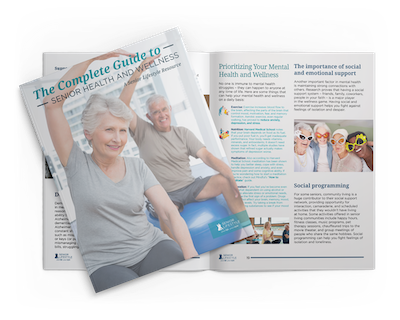
Download The Complete Guide to Health & Wellness for Seniors
As people grow older, their health and wellness needs change. Read our eBook, “The Complete Guide to Health & Wellness for Seniors” for everything you need to know about staying healthy and happy as we age.
Download the GuideWhy Support Groups Matter for Senior Emotional and Social Wellness
Support groups offer a meaningful opportunity to connect with others who share similar life experiences. For seniors who may be experiencing more time alone or adjusting to change, these groups can also offer a meaningful sense of connection and reassurance.
A welcoming, respectful setting encourages open conversation, making it easier to share thoughts and experiences. For many seniors navigating loss, life transitions, or health changes, moments of loneliness and isolation can become more pronounced. In this kind of supportive environment, those feelings are met with understanding – not silence – helping residents feel seen, heard, and less alone. Over time, these conversations become more natural, creating space for reassurance, meaningful connection, and a deeper sense of camaraderie that supports overall mental and emotional well-being.
Support groups also create a different kind of connection than traditional social programming. While many events are designed to be engaging and fun, these gatherings invite residents to connect on a more personal level. Those conversations often lead to stronger relationships and a deeper sense of trust.
What Support Groups Look Like
Support groups take many forms across senior living communities, shaped by residents’ interests and shared experiences. While each group has a different focus, the purpose is consistent: creating a space for conversation that feels non-judgemental and accepting.
Common examples include bereavement groups, where residents have space to reflect and share memories in a respectful setting. Life transition groups are also common, especially for those adjusting to a new community, shifting routines, or navigating changes in daily rhythm. These conversations often center on what the early adjustment period felt like and what helped along the way.
Some communities also partner with outside organizations, such as the Alzheimer’s Association, to offer groups that bring together residents and families navigating cognitive changes, creating shared understanding through guided conversation and education.
Beyond structured programs, many communities offer interest-based groups that add a social rhythm to the week. Film discussions, for example, bring residents together to watch and talk about stories and themes. Men’s and women’s groups also provide familiar settings where conversation tends to feel more open and friendly.
Across formats, the most successful groups share a few consistent qualities: a steady schedule, a welcoming environment, space for both listening and sharing, and facilitation that guides conversation without pressure.
How Groups Help During Life Transitions
Support groups are especially meaningful during times of change, when routines shift or new experiences begin. This may include moving into a senior living community, adjusting to changes in health, or navigating loss.
In these moments, one of the most important benefits is realizing shared experience. Many residents find that others have gone through similar transitions, which can bring a sense of steadiness and clarity.
There is also value in the experience shared by those further along in their journey. Their insights often give others a clearer sense of what to expect and how daily life can begin to feel more familiar over time.
Even small ideas, such as incorporating simple routines, habits, or reminders, can make a meaningful difference. Over time, these shared conversations often become part of a broader sense of connection within the community.
The Value of a Familiar Setting
One of the most meaningful advantages of support groups within a senior living community is the setting itself.
When gatherings take place in a familiar environment, participation becomes easy and natural. Residents can join a group just steps from their living space, alongside people they likely already know.
This familiarity creates a welcoming entry point and encourages ongoing participation. Over time, consistent attendance strengthens relationships and creates a rhythm residents can look forward to.
Encouraging Participation Through Connection
Joining a support group for the first time can feel unfamiliar or even intimidating, and a warm invitation from another participant or facilitator can make it easier to step in.
Team members, family, and fellow residents all play a role in creating that first moment of connection. A friendly invitation or walking into a gathering with someone else can help create a sense of ease right away.
Some communities also offer open-format gatherings as a starting point. These more relaxed settings give residents a chance to listen, observe, and participate at their own pace before joining more focused groups.
A Lasting Impact of Support Groups on Everyday Wellness
The benefits of support groups often extend well beyond the time spent together.
Residents who participate regularly may form new friendships, engage more fully in community life, and carry a greater sense of confidence into their daily routines. The connections built in these groups often shape daily outlook, bringing a greater sense of ease, confidence, and belonging.
Support groups start with conversation, but they continue to open the door to connections that lift every aspect of wellness. It’s all part of creating a lifestyle where residents can feel more connected, more at ease, and more at home each day.
A Community That Grows Together
At Senior Lifestyle, support groups are one of the many ways communities come together in a way that honors the whole person. These experiences are part of Senior Lifestyle’s broader Empower approach to wellness, supporting emotional, social, and overall well-being.
By creating spaces for connection, conversation, and shared experience, these gatherings help residents be more at home, more engaged, and more connected to those around them.
Ready for a setting where conversation, connection, and shared moments are part of everyday life? Find a Senior Lifestyle community near you and discover a setting where connection, comfort, and meaningful moments are part of everyday life.
The post Senior Support Groups: Connection, Contentment, and Community Wellness appeared first on Senior Lifestyle.
Popular Products
-
 Opove M3 Pro 2 Electric Massage Gun
$901.56$450.78 -
 Mebak Neck and Shoulder Massager
$400.00$299.78 -
 Electric Knee Massager with Heating a...
$85.99$59.78 -
 Facial EMS Muscle Toning and Skin Tig...
$3,472.99$2078.78 -
 Professional Roller Massage Slimming ...
$3,333.99$1995.78