She’ll Own Two Identical Rolexes. The One In Her Safe Could Count Against A $2,000 Medicaid Nursing-home Asset Limit While The One She Wears May Not
The post She’ll Own Two Identical Rolexes. The One in Her Safe Could Count Against a $2,000 Medicaid Nursing-Home Asset Limit While the One She Wears May Not appeared first on 24/7 Wall St..
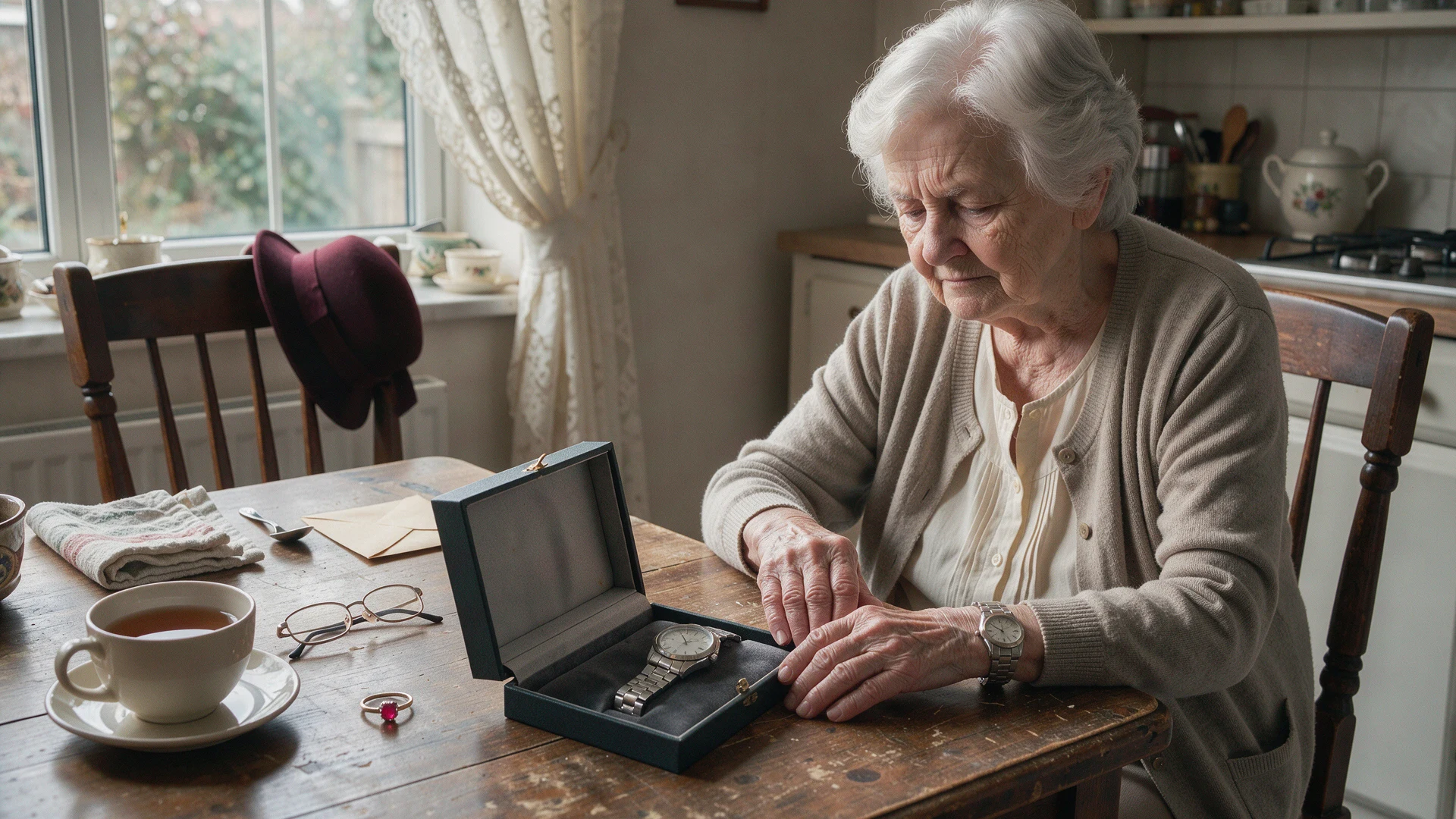
A retired widow has two identical stainless steel Rolexes. One rides on her wrist to church, the grocery store and every grandkid’s soccer game. The other sits in its original box in a safe-deposit drawer. She bought it as an inflation hedge and never wore it. On the open market, both watches get exactly the same price.
If she applies for Medicaid nursing-home coverage, those two watches can land on opposite sides of the ledger. Under Supplemental Security Income (SSI)-style resource rules, personal effects can be excluded, while property bought or held mainly for its value or as an investment can count.
That matters because many states use SSI-style resource rules for older Medicaid applicants. For someone seeking nursing-home coverage, savings and other countable property can affect eligibility, while personal effects may receive different treatment.
Consumer prices rose 0.6% in September 2026 and 3.7% from a year earlier. A retiree who treats watches or jewelry as an inflation hedge may not realize that investment intent can matter later when Medicaid reviews her assets.
“Personal Effects” Exclusion Has No Dollar Cap
Since a rule change took effect in 2005, Social Security has excluded qualifying household goods and personal effects regardless of dollar value. Personal jewelry can qualify, including wedding and engagement rings. A watch worn regularly for personal use can fit that category, regardless of its price.
Jewelry held for its value or as an investment falls outside that protection, as can gems, unworn jewelry and collectibles. Those items can count as resources unless another exclusion applies. Use and purpose help determine the outcome, not the price tag alone.
Daily wear alone can still fall short of protecting a watch. In Social Security’s example, a recipient spent $3,000 of a $10,000 insurance settlement on jewelry she wore regularly. She bought it for its value as a way to spend down the settlement, so the agency treated it as countable property.
Why the Boxed Watch Can Blow Through a $2,000 Limit
The federal SSI resource limit has been $2,000 for an individual and $3,000 for a couple since January 1, 1989. Many state Medicaid programs mirror that threshold for nursing home applicants. A single investment-grade watch can push someone far past it.
A countable watch is generally valued at what it could reasonably sell for on the local open market. That can differ from the boutique list price or the replacement figure on an insurance rider. Families can support the value with dealer quotes, recent auction results or an appraisal reflecting resale value.
State rules vary here. Some states use more liberal methodologies than the SSI program, and asset limits and valuation practices differ from one state Medicaid office to the next. A watch that passes in one state can draw harder questions across the border.
Selling Either Watch Can Turn It Into Countable Cash
Under SSI rules, money from selling property is treated as a resource that has “changed their form.” That cuts differently for each watch.
- The worn watch: Selling it converts an excluded asset into cash, which can become countable if she still holds it when Medicaid next measures her resources.
- The boxed watch: Selling it at market value trades one countable asset for another. The cash can then go toward care costs, home repairs or other permitted spending.
Giving either watch to a grandson creates its own problem. Medicaid penalizes assets gifted, transferred, or sold for less than the fair market value during its 60-month look-back period, which can delay coverage.
Paper Trails Decide Which Side a Watch Lands On
Caseworkers look at use, intent and value, so families who document all three tend to come out ahead. For a watch worn daily, that means dated photos of it on the owner’s wrist, service records showing normal wear, and any family history (an anniversary gift, a late husband’s watch). For a piece bought as an investment, it means purchase receipts and a realistic resale appraisal, so the family knows the countable number before the caseworker names one.
The widow’s two identical Rolexes can still get different treatment. The one she wears for personal use may be excluded, while the one she bought and holds as an investment can count at its current market value.
Learn 7 Ways To Generate Income With A $1,000,000+ Portfolio
If you’ve saved over $1,000,000, this guide is for you. The last thing you want in retirement is to run out of money, you want your money to generate lasting income while you enjoy your life.
Now you can learn the strategies wealthy retirees use to fund their retirement with The Definitive Guide to Retirement Income from Fisher Investments. Download the guide today! (sponsor)
The post She’ll Own Two Identical Rolexes. The One in Her Safe Could Count Against a $2,000 Medicaid Nursing-Home Asset Limit While the One She Wears May Not appeared first on 24/7 Wall St..
Popular Products
-
 Automatic Pill Dispenser with Alarm
$61.99$42.78 -
 Raised Toilet Seat– 300 lbs Support
$58.99$40.78 -
 Hands-Free Electric Can Opener
$45.99$31.78 -
 Portable Electric Abdominal Massager ...
$45.56$22.78 -
 Electric Heating Waist Massager Belt
$136.99$94.78