Therapeutic Programming: Cultivating Connection, Purpose, And Well-being
By Kirk Borde, Director of Resident Programming, Addington Place of Jupiter
A vibrant lifestyle is shaped by the moments that fill each day, the people who share them, and the experiences that spark curiosity, movement, and connection. Therapeutic programming plays a central role in creating that rhythm, bringing intention, variety, and meaning into daily life.
In my role, I think often about how each day unfolds for residents. What are they looking forward to? Where are the opportunities to connect, contribute, and stay engaged? The answer isn’t a single program, but the full experience of a thoughtfully designed day.
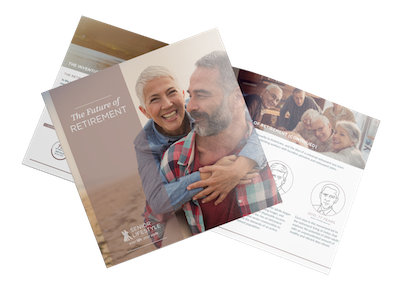
Download The Future of Retirement Living
Rethink the possibilities of retirement. Learn more about the exciting developments in amenities, care, and lifestyles in our free downloadable guide, The Future of Retirement Living.
Download the GuideWhen it’s working at its best, you can feel it right away. There’s a sense of anticipation and a natural flow from one experience to the next. Residents are participating, connecting, and finding moments that matter to them.
A Holistic Approach to Engagement
The most effective therapeutic programming supports the whole person—socially, physically, intellectually, and creatively—while also allowing space for reflection and peace.
Across our communities, that comes to life in a wide range of experiences. Residents may take part in music and movement, creative arts, fitness programs, games, and discussion groups, along with shared events that bring variety into each day. Some are drawn to dynamic group settings, while others prefer quieter, more focused experiences.
What matters is not just what we offer, but how we offer it. Creating different levels within a program allows residents to participate in a way that is welcoming.
Consistency also plays an important role. When residents have programs they can count on and moments they anticipate, it creates structure and a sense of rhythm. Over time, those touchpoints become part of daily life.
We also see the impact of smaller groups within the community. Book clubs, choirs, veterans’ groups, and resident-led programs give people a shared connection point. Those moments often become the ones residents look forward to most.
Within Embrace Memory Care, this same philosophy carries through our Signature Programs, where each experience is designed to meet residents where they are while continuing to encourage engagement and connection.
Connection Is the Foundation
At the center of every meaningful program is connection.
It starts with listening and understanding someone’s story, their interests, and what brings them delight. From there, we can introduce experiences that are natural and aligned with who they are.
For some residents, that connection begins in a group setting. For others, it starts one-on-one, building familiarity over time. I’ve seen residents gradually form connections through shared experiences and thoughtful introductions.
Those connections change everything. They begin looking forward to seeing someone at a meal or attending a program together. Over time, that sense of connection carries through the day, creating more engagement and a stronger sense of belonging.
As Alana Keith, Director of Resident Programming at Clover Healthcare, shares, “Sometimes residents simply prefer a quiet space, a one-on-one conversation, or a calming experience to reset and feel centered.” That balance between group engagement and individualized attention is what makes programming truly effective.
Gardening: A Natural Sense of Purpose
Gardening therapy remains one of the most meaningful experiences because it combines purpose with a sense of calm.
Residents are actively creating something—planting, nourishing, and seeing results over time. It provides structure, while still allowing flexibility and independence.
At the same time, it offers a sensory experience that encourages focus and relaxation. The movement, fresh air, and connection to nature create a rhythm that is both grounding and engaging.
There’s also a strong sense of familiarity. As Keith notes, “Gardening can help residents build a routine that seems familiar, as something they may have delighted in for years.” That continuity adds another layer of meaning, by connecting past experiences with the present.
The Benefits of Pet Therapy for Seniors
The benefits of pet therapy for seniors are often immediate, as animals have a natural ability to create connection.
As a pet-friendly community, residents benefit from both the companionship of their own pets and the presence of visiting therapy animals. These interactions often spark immediate engagement and bring a sense of happiness into the day.
“When we see a resident petting an animal, we see them become instantly calm,” Keith says. “They stay in the moment, and the rest of the world seems not to matter.” She also notes that residents who typically are quiet and reserved will often come out specifically for these visits.
Experiences like therapy dog visits, petting zoos, and horse-assisted learning create moments that are genuine and uplifting, which often lead to new connections.
Shared Experiences That Build Community
Therapeutic programming brings people together in a natural way.
When residents share an experience, conversation flows, relationships begin to form, and over time those connections deepen. These moments create a sense of community built on shared understanding and support.
Some of the most impactful programs are the ones that fully engage the senses. “The programs residents remember most are the ones that engage all five senses,” Keith explains. These experiences stand out because they create something immersive and memorable.
Resident-led programs are equally powerful. When residents take the lead, by sharing knowledge, teaching, or presenting, it creates a dynamic that is authentic and engaging. It reinforces a sense of contribution while strengthening connections within the community.
Personalization Makes the Difference
No two residents are the same, which is why personalization is essential.
Understanding individual preferences, life experiences, and comfort levels allows programming to be both welcoming and meaningful. That perspective shapes how experiences are introduced and how they evolve.
It also requires ongoing listening. Resident feedback and regular conversation help ensure programming continues to reflect what matters most.
As Keith shares, “We listen to our residents and build programming around what they’re asking for.” That responsiveness keeps programming relevant and engaging.
Strengthening Connection with Families
Therapeutic programming also strengthens connection with families which builds trust.
When loved ones see residents engaged, smiling, and participating in meaningful experiences, it provides reassurance and peace of mind. It reflects a lifestyle filled with connection and purpose.
Sharing those moments through invitations, updates, or simple conversations helps families stay connected, no matter the distance. Even a small update can make a meaningful impact.
Continuing to Evolve
Therapeutic programming continues to grow, shaped by resident input, new ideas, and a commitment to meaningful engagement.
That includes bringing programs into new settings, expanding partnerships, and creating more personalized experiences. It also means making space for creativity, from memoir writing to resident-led initiatives and collaborative projects.
At its core, therapeutic programming is about creating moments that matter, day after day, in ways that bring people together and support a strong, connected lifestyle. At Senior Lifestyle, we strive to create those moments so you can live your life, your style. Discover a community where connection and confidence come together.
The post Therapeutic Programming: Cultivating Connection, Purpose, and Well-Being appeared first on Senior Lifestyle.
Popular Products
-
 Automatic Pill Dispenser with Alarm
$61.99$42.78 -
 Raised Toilet Seat– 300 lbs Support
$58.99$40.78 -
 Hands-Free Electric Can Opener
$45.99$31.78 -
 Portable Electric Abdominal Massager ...
$45.56$22.78 -
 Electric Heating Waist Massager Belt
$136.99$94.78