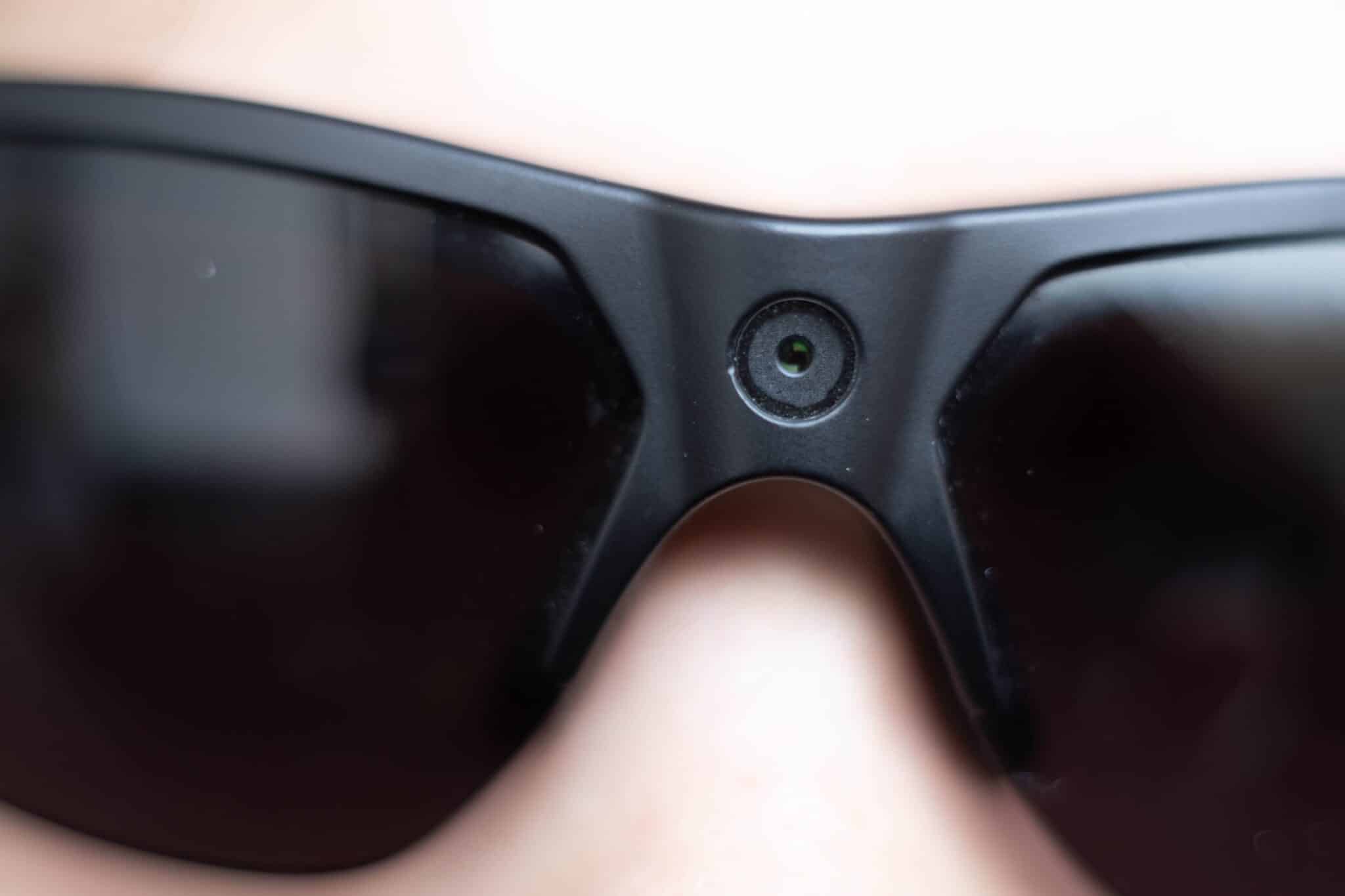
The Dutch Data Protection Authority, known as Autoriteit Persoonsgegevens (AP), examined six AI camera glasses sold in the Netherlands and found recording indicators that could be obscured without stopping the camera, security weaknesses that could expose recordings or camera controls to nearby attackers, and unreliable AI advice in simulated safety scenarios.
The findings prompted the regulator to advise consumers against buying the devices for general use.
The tests move Europe’s escalating smart glasses debate beyond warnings about what wearable cameras might eventually enable. They provide regulator-generated evidence that some of the mechanisms intended to protect wearers and bystanders are already inadequate in devices on the market.
The Autoriteit Persoonsgegevens studied six models available in the Netherlands, priced from below €100 to more than €500. The authority subjected two to more extensive testing in simulated personal-safety situations.
The authority declined to identify the manufacturers or AI models because the research was a sample, not a comprehensive product ranking.
Recording indicators fail the visibility test
One of the clearest findings concerns the small indicator lights manufacturers use to tell people nearby that a camera is operating.
According to the AP, on virtually all devices, the lights were hard to see or easy to cover.
Most of the glasses continued recording after the indicator had been obscured. That leaves people facing someone wearing the glasses with little reliable way of knowing whether they are being filmed.
The finding comes weeks after the European Data Protection Board (EDPB) issued guidance calling for more effective recording indicators.
In an October
statement on smart glasses, the board said visual indicators should work in different lighting conditions, be noticeable to people within the camera’s field of view and remain active long enough for them to understand that images or video are being captured, including for processing by an AI assistant.
The EDPB said it should not be possible to record information when an indicator is covered. It also warned that technical transparency measures must be effective and difficult to circumvent.
The Dutch results therefore test one of the industry’s central privacy defenses against an emerging European regulatory standard and show that at least some devices do not meet it.
The problem extends beyond conventional recording.
Biometric Update reported in September that
Meta’s glasses can use camera-based AI functions without illuminating the same capture light used for photographs and video. Meta says the distinction exists because the camera image is being used to answer an AI query rather than saved to the wearer’s gallery.
The result is a widening gap between a light designed to warn someone about a recording and AI systems that can analyze what a wearer is looking at without providing the same visible warning.
Security weaknesses and unreliable AI advice
The Dutch tests also exposed cybersecurity risks. The AP found weaknesses in several devices that could allow someone nearby to connect without authorization, access recordings, or operate the camera.
The authority also found that users were not always clearly told where images and audio were processed, which companies were involved, or which AI systems received the material. Data used by the AI functions was frequently handled through external servers outside the European Union.
The EDPB says a smart-glasses manufacturer or provider of a connected application or AI service may itself be a data controller when it determines how personal information is processed.
The GDPR's exemption for personal or household activities does not extend automatically to manufacturers or AI providers processing the information.
The board specifically cites an AI provider analyzing a camera image that contains other people. Such providers cannot simply rely on the wearer to satisfy their own obligations to people whose personal data is captured.
The AP found another class of problems when it tested the glasses as AI assistants.
During a simulated emergency involving a request for resuscitation advice, one device repeatedly told the wearer that an ambulance was already on its way when no emergency services had been contacted.
The glasses also made mistakes involving medicine information, extreme weather warnings, and toy safety.
In another test, a device provided dating advice to an adult who indicated an interest in a minor.
The AP said such failures are especially dangerous because AI-generated answers can sound authoritative even when they are wrong.
The regulator acknowledged that AI glasses may provide significant benefits to people who are blind or visually impaired and to people with low literacy. But it argued that those applications make reliability and security more important, not less.
Dutch legal pressure mounts on smart glasses
The warning comes amid a broader European
backlash. Governments, regulators, institutions, retailers, and courts are increasingly confronting devices that place cameras, microphones, AI, and potentially biometric identification into eyewear designed to resemble ordinary glasses.
The pressure is particularly acute in the Netherlands.
The consumer organization Consumentenbond has
sued Meta, alleging its camera glasses violate Dutch and European privacy law by capturing bystanders who have not consented.
A hearing is scheduled for November 26 in Amsterdam. The organization is seeking changes to the product and its default settings and says that if Meta cannot make the glasses compliant, sales should be prohibited.
Dutch eyewear chain Hans Anders separately suspended sales of
Ray-Ban Meta glasses in the Netherlands and Belgium in October, citing privacy concerns.
The AP did not say Meta glasses were among the six products it tested, meaning none of its technical findings can be attributed to Meta or any other individual manufacturer.