If You Think Coupons Make Your Brand Look Cheap, You’re Solving The Wrong Problem — And Your Revenue Shows It
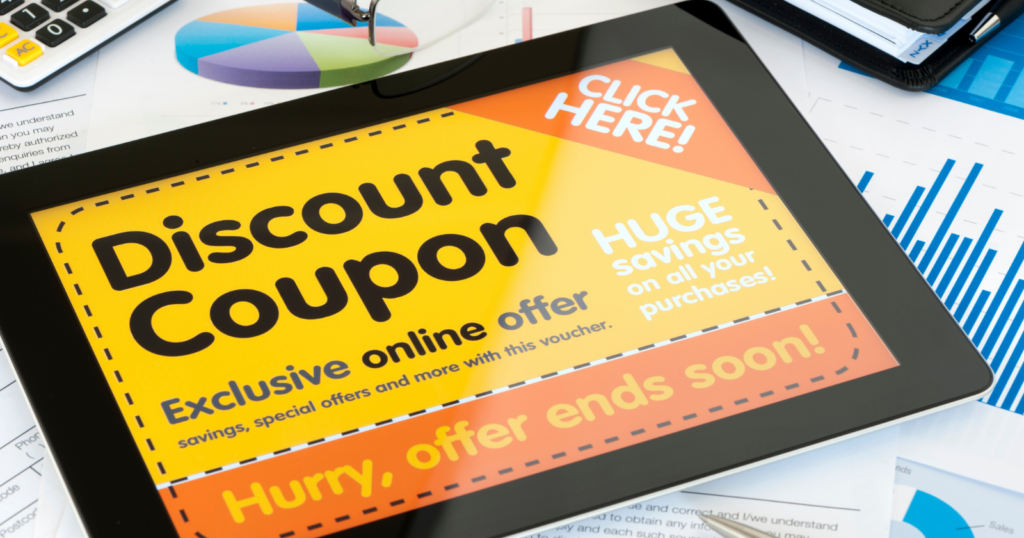
- Tension: Organizations fear that offering incentives will diminish their perceived value, yet they struggle to motivate action without them.
- Noise: Marketing debates frame discounts as either desperate tactics or essential tools, missing the behavioral psychology underneath.
- Direct Message: Understanding why people act matters more than worrying about how your offer appears.
To learn more about our editorial approach, explore The Direct Message methodology.
If you think coupons make your brand look cheap, you’re confusing pride with strategy
A nonprofit director once told me she would never use coupon codes in her fundraising campaigns. “We’re a serious organization,” she said. “Coupons are for mattress stores and pizza delivery.” Six months later, her annual giving program was struggling to meet targets, while a smaller organization in the same city had increased their online donations by 23% using promotional codes tied to specific campaigns.
The difference had nothing to do with brand prestige or organizational gravitas. It came down to understanding a fundamental truth about human behavior: people respond to clear calls to action, trackable engagement points, and psychological triggers that make giving feel immediate and rewarding.
During my time working with tech companies in the Bay Area, I watched this same resistance play out across industries. Executives worried that offering any form of incentive would undermine their premium positioning. Meanwhile, their competitors were quietly building sophisticated engagement systems based on behavioral economics principles that have been proven effective across consumer contexts. Forrester Research data reveals that 63% of consumers say promotional codes help close the sale when they are wavering on a purchase. That psychological dynamic applies far beyond retail transactions.
The question worth asking is whether your brand is actually protected by avoiding these tools, or whether you are simply leaving engagement opportunities on the table while telling yourself a story about sophistication.
The Fear of Appearing Desperate
There exists a persistent belief in marketing circles that discounts and promotional codes signal weakness. The logic goes something like this: if your product or cause is truly valuable, people should support it without needing an incentive. Asking for engagement through codes or limited-time offers suggests you cannot stand on your own merits.
This belief sounds reasonable until you examine it against actual consumer behavior data. What I have found analyzing consumer behavior data over the past decade is that this resistance often reveals more about organizational ego than strategic thinking. The assumption rests on a false premise: that people make decisions purely based on rational assessment of value.
In reality, human decision-making is far messier. We are influenced by timing, social proof, urgency, and the simple mechanics of how easy or difficult an action feels in the moment. A well-designed promotional code does not diminish value; it creates a clear moment of decision that might otherwise never arrive.
Consider the psychology at play. When someone receives an email with a coupon code, several things happen simultaneously. The code creates specificity, transforming a vague intention (“I should donate to that organization sometime”) into a concrete action with a defined pathway. It introduces mild urgency, since codes typically have expiration dates. And perhaps most importantly, it provides a tracking mechanism that tells the person their action will be noticed and recorded.
The nonprofit sector has been particularly resistant to these insights, often viewing promotional tactics as beneath their mission-driven work. Yet the data tells a different story. Organizations that have embraced coupon code strategies report open rate increases of around 14%, with corresponding lifts in conversion rates. The codes are functioning as engagement tools, giving potential donors a reason to act now rather than later.
What these organizations discovered is that their reluctance was based on a misunderstanding of what coupons actually represent in the modern engagement landscape. They are signaling mechanisms, behavioral nudges, and tracking tools wrapped in a familiar consumer format.
The Experts Who Miss the Point
Marketing discourse around discounting tends to split into two camps. One side argues that any price reduction or promotional offer erodes brand equity over time, training customers to wait for deals rather than paying full price. The other side treats discounts as essential tools for driving short-term revenue, consequences be damned.
Both perspectives miss something crucial. The debate focuses on the wrong variable: the discount itself rather than the behavioral mechanism it activates.
According to research, consumer decisions are heavily influenced by what behavioral economists call “action triggers,” any element that transforms passive interest into active engagement. Promotional codes serve this function regardless of whether they offer significant monetary value.
In California’s tech ecosystem, I have watched companies obsess over conversion rate optimization while simultaneously dismissing promotional tactics as unsophisticated. The irony is striking. These same organizations invest millions in A/B testing button colors and checkout flows, yet they resist implementing one of the most reliable action triggers available because it feels too “salesy.”
The noise in this conversation comes from conflating different types of promotional strategies. A desperate, poorly targeted discount campaign is indeed corrosive to brand perception. But a thoughtfully designed promotional code that gives donors or customers a clear pathway to engagement, combined with tracking that enables personalized follow-up, operates on entirely different principles.
The confusion persists because marketing conversations often prioritize abstract concepts like “brand equity” over measurable behavioral outcomes. Organizations end up protecting an idea of their brand rather than building actual relationships with the people they serve.
What Actually Drives Commitment
The real risk to your brand comes from failing to understand why people act, and designing your engagement systems around that psychology.
When you strip away the status anxiety and industry debates, a simpler truth emerges. People need reasons to act now rather than later. They need clear pathways that reduce friction. They need to feel that their action matters and will be recognized. Promotional codes, when used thoughtfully, address all three of these psychological needs.
The organizations that thrive are those willing to set aside assumptions about what sophisticated marketing looks like and focus instead on what actually moves people from intention to action.
Building Systems That Honor Both Brand and Behavior
The path forward requires holding two ideas simultaneously. Your brand positioning matters, and behavioral psychology should inform your engagement tactics. These are not competing priorities.
Start by reframing promotional codes as tracking and engagement tools rather than discounts. The value of a code often lies in its specificity rather than whatever incentive it offers. A donor who uses a code tied to a specific email campaign has given you information about what messaging resonated with them, when they were ready to act, and how they prefer to engage. That data is invaluable for building long-term relationships.
The latest scientific evidence shows that people who feel their actions are tracked and valued demonstrate higher loyalty over time. A promotional code creates exactly this dynamic. It tells the person: we are paying attention to how you engage with us.
The implementation matters as well. Codes should feel intentional and branded, consistent with your organizational voice. They should connect to specific campaigns or moments rather than appearing random. And your follow-up systems should recognize and reference the engagement pathway each person took.
What I have observed across dozens of organizations is that the most successful promotional strategies are invisible as promotional strategies. They feel like personalized engagement, like the organization is paying attention to the individual rather than broadcasting generic asks. The code becomes a handshake, a way of saying: we see you, and we made it easy for you to participate.
- The reason some people have no close friends isn’t because they’re difficult, cold, or bad at relationships — it’s because they experienced something specific that taught their nervous system that closeness always comes with a cost, and nobody ever helped them unlearn it - The Vessel
- 8 quiet signs someone grew up in a home where silence didn’t mean peace—it meant someone was about to explode—and the way it shows up in their adult relationships follows the same pattern almost every time - The Vessel
- The reason some women seem to become more magnetic after 50 while others seem to disappear has nothing to do with beauty routines—it comes down to one decision they made about who they were willing to stop being - The Vessel
The fear of cheapening your brand through promotional tactics typically reveals a deeper uncertainty about what your brand actually represents. If your value proposition is clear and your mission is compelling, a well-designed promotional code does not undermine that foundation. It simply gives people a concrete reason to act on what they already believe.
The organizations still resisting these tools might ask themselves a harder question: is your brand really protected by making engagement more difficult, or are you simply making it easier for people to do nothing at all?
Related Stories from Direct Message News
- The generation that was told to follow their passion is now quietly retraining for jobs they feel nothing about, and reporting higher life satisfaction than they’ve had in years
- Kazakhstan’s economic freedom isn’t the story — who gets to define it is
- Personalization has a creep threshold and you’ve probably crossed it
The post If you think coupons make your brand look cheap, you’re solving the wrong problem — and your revenue shows it appeared first on Direct Message News.
Popular Products
-
 Romantic Couples Board Game
$25.99$15.78 -
 Rotatable Romantic Carousel Music Box
$35.99$29.78 -
 Pink Silk Rose Artificial Flower
$75.99$45.78 -
 Heart Lock Couple Bracelet & Key Neck...
$35.67$22.78 -
 French Pink Press on Pearl Accent Nails
$12.99$9.78