Understanding Attachment Styles

Understanding Attachment Styles :
How We Love, Connect, and Protect Ourselves
Have you ever wondered why some people feel comfortable with closeness, while others pull away the moment things get serious? Or why some constantly seek reassurance in relationships, even when nothing seems wrong?
The answer often lies in attachment styles, patterns of emotional bonding shaped in early life that continue to influence our adult relationships.
The concept of attachment theory was first introduced by John Bowlby and later expanded through groundbreaking research by Mary Ainsworth. Their work showed that the way caregivers respond to us as children forms a blueprint for how we relate to others emotionally.
Let’s explore the four main attachment styles.
1. Secure Attachment: The Healthy Balance
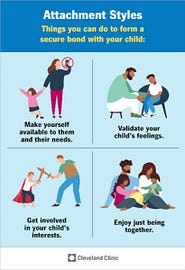
People with a secure attachment style are comfortable with both intimacy and independence. They communicate openly, trust their partners, and manage conflict without excessive fear or withdrawal.
Secure attachment usually develops when caregivers are consistently present, responsive, and emotionally available. As adults, securely attached individuals don’t see vulnerability as weakness — they see it as connection.
2. Anxious Attachment: The Fear of Being Left
Those with an anxious or preoccupied attachment style often crave closeness but fear abandonment. They may overanalyze texts, worry about their partner’s feelings, or need frequent reassurance.
This style often forms when caregiving was inconsistent, sometimes warm, sometimes distant. As a result, the person learns to cling tightly to connection, fearing it could disappear at any moment.
3. Avoidant Attachment: The Fear of Needing
Avoidant or dismissive individuals, value independence strongly, sometimes to the point of emotional distance. They may struggle with vulnerability and prefer to rely only on themselves.
This often develops when caregivers were emotionally unavailable or dismissive. Over time, the child learns “It’s safer not to need anyone”. As adults, they may appear self sufficient but feel uncomfortable with deep emotional intimacy.
4. Fearful-Avoidant (Disorganized): The Push and Pull

This attachment style combines anxiety and avoidance. People may deeply desire closeness but simultaneously fear it. Relationships can feel intense, confusing, or unpredictable.
This pattern is often linked to traumatic or highly inconsistent caregiving experiences, where love and fear were intertwined.
The Important Truth to Note:
Attachment Styles Can Change
Attachment styles are patterns, not life sentences or a leopard’s spot.
With self-awareness, healthy relationships, and sometimes therapy, people can move toward a more secure attachment style. Healing happens through consistent, safe connections that slowly reshape old emotional blueprints.
Understanding your attachment style isn’t about labeling yourself. It’s about recognizing your patterns so you can build healthier, more fulfilling relationships.
Because at the core of it all, attachment is about one simple human need:
To feel safe, seen, and valued.
I hope you had a good read, if yes then follow for more
Understanding Attachment Styles was originally published in ILLUMINATION on Medium, where people are continuing the conversation by highlighting and responding to this story.
Popular Products
-
 Brightening & Hydrating Rose Facial C...
$154.99$107.78 -
 Pheromone Long Lasting Attraction Per...
$88.99$61.78 -
 Crystal Glass Rose Table Decoration w...
$137.99$95.78 -
 Mini Facial Hair Trimmer with Replace...
$15.99$9.78 -
 Whitening & Spot Removal Skincare Set...
$201.99$140.78