We’re Not Raising Violent Men By Accident

We need to focus on prevention more than punishment.
Image by Craig Adderley on PexelsMen make up the overwhelming majority of the prison population in the United States. They are also responsible for most violent crime. This is a structural pattern that shows up again and again in criminal justice data.
Public conversations often stop there, framing male violence as inevitable or biologically driven, but numbers alone don’t explain why this pattern persists. To understand that, we have to look much earlier, long before police, courts, or prison cells enter the picture.
Before I became a parent, I had absorbed a familiar belief: boys are naturally rougher, louder, and more aggressive, while girls are calmer and gentler by nature. When I had a daughter, I expected to see that script play out. Instead, I saw something very different.
My child was energetic, curious, and physically expressive. During routine immunisation visits, I began observing other babies - boys and girls of similar ages. Some boys were quiet and observant. Some girls were bold and restless. Many fell somewhere in between. At that stage of life, temperament appeared individual, not gendered.
What was consistent, however, was how adults responded to those differences.
As children grow, we begin steering them into narrow emotional lanes. Girls are often cautioned to be careful, polite, and accommodating. Boys are pushed toward toughness, independence, and emotional restraint. Over time, these repeated messages shape how children understand themselves and which emotions they are allowed to express.
Boys, in particular, receive a clear lesson: vulnerability is unacceptable, crying is weakness, sensitivity is something to outgrow. Care-oriented interests are often discouraged, mocked, or treated as embarrassing. The result is not emotional strength, but emotional restriction.
Psychologist Niobe Way’s research has shown that many boys display deep emotional intelligence and close friendships in early childhood, only to suppress those capacities during adolescence as they internalise cultural expectations about masculinity. When boys are taught that only one emotion is socially acceptable - anger - that emotion becomes their primary outlet.
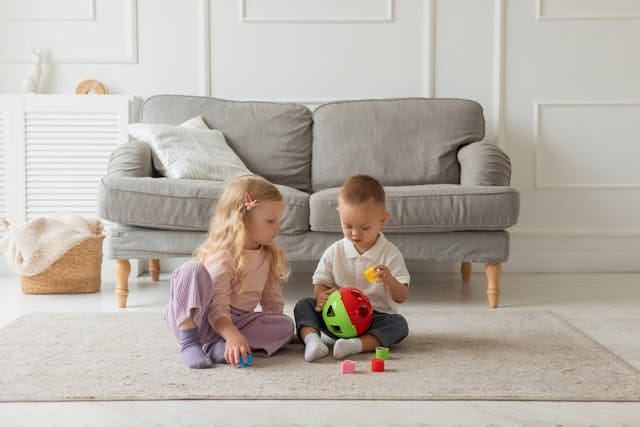 Image by Polesis Toys on Pexels
This emotional narrowing doesn’t remain a private struggle. It shows up in adult relationships, workplaces, and public life. Men who were never taught how to process fear, sadness, or rejection often struggle with emotional regulation. Conflict escalates more quickly, empathy becomes harder to access, and control replaces communication.
Meanwhile, girls who are raised to prioritise harmony and likability may struggle to assert boundaries or recognise harm when it appears. Both genders are shaped by the same system but the outcomes look different. For boys, harm is more likely to be externalised. For girls, it is often internalised.
Our dominant response to the fallout of these patterns is punishment. Tougher sentencing, more prisons, and more reactive measures once harm has already occurred, but punishment addresses behaviour only after it has fully formed.
If we are serious about reducing violence, we need to talk about prevention, and prevention begins in childhood.
That means equipping parents with tools that go beyond outdated gender scripts. Boys need emotional literacy, not emotional suppression. They need permission to feel, to care, to seek help without shame. Girls need space to assert themselves without being labelled difficult or unfeminine.
Schools matter here too. Educational environments that tolerate bullying, emotional repression, or rigid gender roles reinforce the same lessons children learn at home. By contrast, schools that prioritise social and emotional learning - teaching empathy, conflict resolution, and emotional expression - help interrupt cycles that punishment alone cannot fix.
The boy who later becomes a violent man does not emerge out of nowhere. He is shaped, over years, by what he is allowed to feel and what he is taught to silence. By the time he enters the criminal justice system, those lessons are deeply ingrained.
Prevention may lack the drama of punishment, but it is far more effective. If we want safer communities, healthier relationships, and fewer men ending up behind bars, we have to start earlier - not by asking how to punish boys once they fail, but by asking how we are raising them in the first place.
We’re Not Raising Violent Men by Accident was originally published in Hello, Love on Medium, where people are continuing the conversation by highlighting and responding to this story.
Popular Products
-
 Brightening & Hydrating Rose Facial C...
$154.99$107.78 -
 Pheromone Long Lasting Attraction Per...
$88.99$61.78 -
 Crystal Glass Rose Table Decoration w...
$137.99$95.78 -
 Mini Facial Hair Trimmer with Replace...
$15.99$9.78 -
 Whitening & Spot Removal Skincare Set...
$201.99$140.78