13 Best Medical Alert Systems For Dementia Patients In 2027

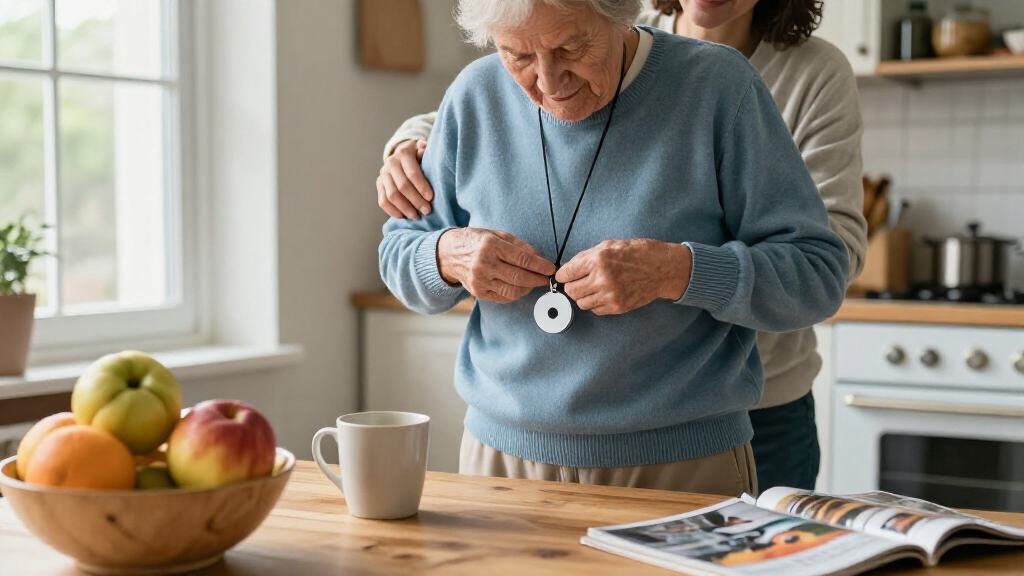
Medical alert systems for dementia patients range from simple caregiver call buttons to bed-exit alarms and GPS-enabled pendants. My best overall pick is the SecuLife Medical Alert Pendant for its GPS tracking, two-way calling, and automatic fall detection; the Lunderg Wireless Early Alert Bed and Chair Alarm Set stands out for monitoring multiple resting spots, while the CallToU Wireless Caregiver Pager offers a straightforward way to summon help at home. The central tradeoff is whether you need a person to call for help, a system that alerts a caregiver when someone moves, or location support outside the home. A device can support a care plan, but it cannot replace supervision or guarantee a response. Read on for the full breakdown and guidance on matching a system to your loved one’s routines.
Complete the kit


Key Takeaways
- The products serve different jobs: the SecuLife pendant supports communication and location tracking, while bed alarms and caregiver pagers focus on notifying someone nearby.
- Bed and chair coverage changes the choice: the Lunderg Early Alert Bed and Chair Alarm Set addresses more than one resting location, while single-pad systems suit a specific bed or chair.
- GPS and fall detection are not the same as continuous supervision: a pendant may help locate or contact a wearer, but it still depends on fit, charge, network access, and a response plan.
- Receiver quantity affects household coverage: the CallToU system with three receivers can alert caregivers in more than one room, while one-receiver models are simpler but less flexible.
- Caregiver willingness to maintain the system matters: sensor placement, battery checks, wearing a pendant, and adjusting alert settings all affect whether a device helps in daily care.
Our Top Medical Alert Systems For Dementia Patients Picks
Wi-Fi Medical Alert System for Seniors with Call Buttons, Waterproof Wristband, Receiver, and LED Display Best for Shared Caregiver AlertsConnectivity: 2.4 GHz Wi-Fi and wireless signalWireless range: Up to 300 feetAudible alarm: 110 dBVIEW ON AMAZONSee Our Full BreakdownPELEGON Wireless Bed Alarm System with Sensor Pad and Pager
 Best for Simple Bedside MonitoringBrand: PELEGONModel: BAS1-NEWSensor technology: Motion sensorVIEW ON AMAZONSee Our Full BreakdownCallToU Bed Exit Alarm with Portable Pager, Motion Sensor, Vibration and Silent Alerts
 Best for Early Bed-Exit WarningsModel: CC32WH-HW12Sensor technology: MotionDetection range: 3–10 feetVIEW ON AMAZONSee Our Full BreakdownLunderg Wireless Early Alert Bed Alarm System
 Best for Long-Range Early AlertsModel: UPC-LUN-EABEDKITSensor technology: Lunderg Pre-Alert Smart Sensor TechnologySensor pad dimensions: 10 × 33 inchesVIEW ON AMAZONSee Our Full BreakdownLunderg Wireless Bed Alarm System for Elderly
 Best for No-App Bedside MonitoringSensor technology: Pressure sensorSensor pad size: 10 × 30 inchesWireless range: Listed as 300 feet and up to 400 feetVIEW ON AMAZONSee Our Full BreakdownLunderg Wireless Early Alert Bed and Chair Alarm Set
 Best for Bed-and-Chair CoverageBrand: LundergIncluded sensors: Bed and chair sensor padsMaximum range: Up to 400 feetVIEW ON AMAZONSee Our Full BreakdownPILSAMAS Wi-Fi Smart Caregiver Pager with Receiver, Call Buttons, and Wristband
 Best for Shared Family App AlertsWi-Fi: 2.4 GHzWireless technology: 433 MHzRange: Up to 328 feet through wallsVIEW ON AMAZONSee Our Full BreakdownSecuLife Medical Alert Pendant for Seniors with Auto Fall Detection, GPS Tracking, and 2-Way Calling
 Best for Wandering and Out-of-Home SafetyConnectivity: 4G LTE cellularBattery life: Up to 6 daysWater resistance: IP67VIEW ON AMAZONSee Our Full BreakdownCallToU Wireless Caregiver Pager with 2 Call Buttons and 3 Receivers
 Best for Alerting Caregivers Around the HomeIncluded components: 2 call buttons and 3 receiversOpen-area range: Over 500 feetRingtones: 55VIEW ON AMAZONSee Our Full BreakdownLunderg Large Wireless Bed Alarm System for Elderly & Fall Prevention
 Best for Broad Bed CoverageSensor pad size: 20 x 30 inchesWireless range: Up to 400 feetPager type: Handheld and portableVIEW ON AMAZONSee Our Full BreakdownSmart Caregiver Early Alert Bed Exit Alarm with Wireless Pager
 Best for Advance Bed-Exit AlertsSensor technology: Weight-sensingPad dimensions: 36 x 10 x 0.5 inchesPager alerts: Vibration or adjustable-volume soundVIEW ON AMAZONSee Our Full BreakdownWireless Caregiver Pager with Call Button and Receiver
 Best for User-Activated HelpBrand: STECHROIncluded components: 1 receiver and 1 call buttonPower source: Battery-powered; lithium battery descriptionVIEW ON AMAZONSee Our Full BreakdownWireless Bed Alarm System for Elderly & Dementia Patients (1 Sensor + 1 Receiver)
 Best for Bed and Room Movement AlertsBrand: yiweiModel: KS-SF20R proSensor technology: Motion sensorVIEW ON AMAZONSee Our Full Breakdown
More Details on Our Top Picks
Wi-Fi Medical Alert System for Seniors with Call Buttons, Waterproof Wristband, Receiver, and LED Display
I’d choose this home system when several caregivers need app notifications and the person can reliably press a call button. Its waterproof wrist remote can stay on in the shower, while the receiver’s 110 dB alarm and LED display provide an in-home alert. The wireless signal reaches up to 300 feet, and basic pager use has no monthly fee; app notifications depend on 2.4 GHz Wi-Fi, while SMS requires a subscription. Unlike the PELEGON Wireless Bed Alarm System, this is a person-activated call system, not a bed-exit monitor. That gives the wearer a way to request help, but it relies on recognizing a problem and using the button—an important limitation for dementia-related confusion or wandering. Only the wrist remote is waterproof, so the receiver and other buttons need protection from moisture.
Pros:- App notifications can be shared with multiple caregivers
- Waterproof wrist remote can be worn in the shower
- Wireless signal reaches up to 300 feet and can pass through walls and doors
- Basic pager alarm works without a monthly fee
Cons:- App notifications require 2.4 GHz Wi-Fi
- SMS alerts require a subscription
- Only the wrist-worn remote is waterproof
Best for: Households with multiple caregivers who want shared app alerts and a person who can understand and press a call button.
Not ideal for: People who may forget how to call for help, need monitoring while leaving bed, or lack 2.4 GHz Wi-Fi for app alerts.
- Connectivity:2.4 GHz Wi-Fi and wireless signal
- Wireless range:Up to 300 feet
- Audible alarm:110 dB
- Control method:Smartphone app
- Water resistance:Wrist-worn remote is waterproof
- Display:LED number display
- Batteries:2 A batteries included
Our verdict“Choose this for shared household alerts when the wearer can activate a call button; choose a bed-exit alarm instead if getting out of bed unnoticed is the main concern.”
PELEGON Wireless Bed Alarm System with Sensor Pad and Pager
For a caregiver whose main concern is a person getting out of bed, I’d favor this straightforward sensor-and-pager setup over the Wi-Fi Medical Alert System, which depends on the wearer pressing a button. The motion sensor pad alerts the caregiver as movement begins, and the pager can be kept nearby at a range of up to 328 feet. Sound, adjustable volume, and vibration let caregivers choose an alert that fits their sleeping arrangements. Tool-free setup also keeps installation simple. Compared with the CallToU Bed Exit Alarm, the product details don’t specify an alert before the person is fully standing, so caregivers should not assume it provides the same early warning. It is a focused nighttime aid, not a complete medical alert system: it does not provide a wearable call button or remote caregiver app alerts.
Pros:- Motion sensor alerts caregivers when bed-exit movement begins
- Pager range is up to 328 feet
- Offers sound, adjustable volume, and vibration alerts
- Setup requires no tools
Cons:- Requires four AA batteries
- Product details do not specify an early-warning trigger before the person is fully standing
- No wearable call button or app alerts are listed
Best for: Caregivers who want a no-tool bed-exit alert with a portable pager and do not need app-based monitoring.
Not ideal for: Households needing a wearable help button, caregiver smartphone notifications, or a clearly specified early alert before the person stands.
- Brand:PELEGON
- Model:BAS1-NEW
- Sensor technology:Motion sensor
- Maximum range:328 feet
- Alert modes:Sound or vibration
- Batteries:4 AA batteries included
- Dimensions:6.5 × 3.8 × 14.5 inches
Our verdict“Pick PELEGON for uncomplicated nighttime bed monitoring with a pager, but choose a wearable call system for help requests away from the bed.”
CallToU Bed Exit Alarm with Portable Pager, Motion Sensor, Vibration and Silent Alerts
The CallToU Bed Exit Alarm is the most specifically timed option here: its sensor detects when feet touch the floor beside the bed, giving a caregiver a chance to respond before the person is fully standing. That early trigger can matter when someone with dementia rises quickly or needs help transferring. The portable receiver has silent and vibration modes, five volume levels, and 18 ringtones, so an alert need not wake everyone in the home. The Lunderg Wireless Early Alert Bed Alarm instead uses a pressure pad at hip level and offers a longer stated range, making it a better fit when pager distance matters more. CallToU’s detection range is only 3–10 feet, and its sensor needs three AAA batteries; it is a bed-area monitor, not a wearable alert for the rest of the day.
Pros:- Detects bed exit when feet touch the floor, before the person is fully standing
- Silent and vibration options support quieter nighttime monitoring
- Receiver offers five volume levels and 18 ringtone choices
- Sensor rotates 360 degrees for positioning
Cons:- Detection range is limited to 3–10 feet
- Sensor requires three AAA batteries
- Does not provide a wearable call button or all-day monitoring
Best for: Caregivers who sleep nearby and want a discreet alert when a person’s feet reach the floor beside the bed.
Not ideal for: Households where the caregiver must monitor from beyond 10 feet or needs a wearable alert outside the bedroom.
- Model:CC32WH-HW12
- Sensor technology:Motion
- Detection range:3–10 feet
- Receiver volume:5 levels, up to 110 dB
- Alert modes:Audible, silent, and vibration
- Ringtones:18
- Sensor batteries:3 AAA alkaline batteries included
- Receiver charging port:USB Type-C
Our verdict“Choose CallToU when an early, quiet bedside alert matters more than long-distance pager coverage.”
Lunderg Wireless Early Alert Bed Alarm System
I’d rank this Lunderg model ahead of the standard Lunderg Wireless Bed Alarm System for Elderly when the caregiver needs warning as the person begins to rise, rather than an alert only after they get up. Its pressure pad sits at hip level and pairs with a pager that reaches up to 400 feet, giving a caregiver more room to move around the home than the CallToU Bed Exit Alarm allows. The pad is wipe-clean and incontinence-resistant, a useful practical detail for overnight care. Pager vibration can avoid a loud in-room alarm, though the system still depends on a nearby caregiver hearing or feeling the pager. The pad has a stated 15-month lifespan and uses replaceable batteries, so it is not a permanent, maintenance-free setup.
Pros:- Pressure pad is designed to alert as the person begins getting out of bed
- Pager range is up to 400 feet
- Pager offers adjustable volume and vibration mode
- Pad is wipe-clean and incontinence-resistant
Cons:- Sensor pad has a stated 15-month lifespan
- Pager and sensor require battery replacement
- Alerts depend on a caregiver carrying or hearing the pager
Best for: Caregivers who need an early bed-rise alert across a larger home and want a wipe-clean, incontinence-resistant pad.
Not ideal for: Buyers seeking a long-life sensor pad or a system that sends alerts directly to caregivers’ phones.
- Model:UPC-LUN-EABEDKIT
- Sensor technology:Lunderg Pre-Alert Smart Sensor Technology
- Sensor pad dimensions:10 × 33 inches
- Wireless range:Up to 400 feet
- Audible noise:120 dB
- Pager alerts:Adjustable volume and vibration mode
- Batteries:2 AA batteries included
- Included items:Bed sensor pad, pager, instructions, batteries, wall mount bracket, bed clips, and bands
Our verdict“Choose this early-alert Lunderg for broad in-home pager coverage; its shorter-lived pad is the tradeoff for warning before the person is fully out of bed.”
Lunderg Wireless Bed Alarm System for Elderly
This standard Lunderg system suits families who want a simple pressure-pad alert without Wi-Fi, an app, or a wearable button to manage. The pad signals a handheld pager when someone gets out of bed, and the pager offers adjustable volume and vibration. Its wipe-clean, incontinence-resistant surface is practical for regular bedside care. Compared with the Lunderg Wireless Early Alert Bed Alarm System, this model alerts when the person gets up rather than advertising an early trigger as they begin to rise. That distinction makes the early-alert version the stronger choice when a few seconds of warning could help a caregiver intervene. The range is also listed as both 300 and up to 400 feet, so I would not choose it on the assumption of a guaranteed 400-foot connection. The pad requires batteries and is not a whole-home medical alert.
Pros:- Works without Wi-Fi or an app
- Pager offers adjustable volume and vibration alerts
- Pad is wipe-clean and designed to resist incontinence
- Batteries and anti-slip stickers are included
Cons:- Alerts when the person gets up rather than before they leave the bed
- Wireless range is listed as both 300 feet and up to 400 feet
- Requires battery replacement
Best for: Caregivers who want a battery-powered, no-app bed-exit pager and value a wipe-clean pad over early warning.
Not ideal for: Families who need an alert before the person leaves the bed, dependable stated range, or monitoring away from the bedside.
- Sensor technology:Pressure sensor
- Sensor pad size:10 × 30 inches
- Wireless range:Listed as 300 feet and up to 400 feet
- Pager volume:Adjustable; up to 120 dB
- Pager alerts:Audible and vibration
- Power source:Battery powered
- Batteries:2 AA batteries included
- Included:Sensor pad, pager, batteries, and anti-slip stickers
Our verdict“Choose this for straightforward, no-app alerts after a bed exit; choose the Lunderg Early Alert model when advance warning is the priority.”
Lunderg Wireless Early Alert Bed and Chair Alarm Set
I’d choose this set when the main concern is helping a caregiver respond before someone with dementia gets out of bed or rises from a chair. Its bed and chair sensor pads send alerts to a portable pager, giving it broader coverage than the Lunderg Large Wireless Bed Alarm System, which is focused on bed monitoring. The pager can use vibration or adjustable sound, a useful choice when an audible alarm might startle someone or disturb others. Its 400-foot range also allows a caregiver to move around the home without staying bedside.
The tradeoff is that this is a caregiver-response aid, not GPS tracking or a direct call for emergency help like the SecuLife Medical Alert Pendant. It runs on batteries, and caregivers still need to keep the pager with them. I’d favor it for monitoring changes in position at home, not for someone who wanders outdoors.
Pros:- Includes both bed and chair sensor pads for monitoring two common rising points.
- Portable pager offers adjustable volume and vibration alerts.
- Wireless operation with a stated range of up to 400 feet.
- Pads are wipe-clean and incontinence-resistant.
Cons:- Battery-powered sensors and pager need ongoing battery attention.
- Alerts depend on a caregiver hearing or feeling the pager and responding.
- Does not provide GPS tracking, app alerts, or two-way communication.
Best for: Caregivers who want early bed and chair alerts for a person who may stand without assistance, and who can keep the pager nearby.
Not ideal for: People who need location tracking or alerts sent to a smartphone when the caregiver is away from the home.
- Brand:Lunderg
- Included sensors:Bed and chair sensor pads
- Maximum range:Up to 400 feet
- Bed pad dimensions:10 x 33 inches
- Pager alerts:Adjustable volume or vibration
- Power source:Battery powered
- Batteries:2 AA batteries included
- Sensor pad lifespan:Up to 15 months each
Our verdict“Choose this set if you need portable, early alerts from both a bed and a chair, rather than remote location monitoring.”
PILSAMAS Wi-Fi Smart Caregiver Pager with Receiver, Call Buttons, and Wristband
This is the strongest fit in this group for families who want app-based alerts and shared access, rather than relying only on an in-home receiver. The hub identifies which call button was pressed, while the app adds device labels and alert history—helpful when several relatives take turns supporting someone with dementia. By comparison, the CallToU Wireless Caregiver Pager supplies multiple receivers around the home but does not list remote app alerts. The included wristband and two buttons also provide more than one way to request help.
There are limits: the hub needs 2.4 GHz Wi-Fi, and SMS, phone-call, or email alerts require an optional plan. The buttons still depend on the wearer remembering and being able to press one, so this is not a substitute for a bed-exit sensor or a GPS pendant such as the SecuLife Medical Alert Pendant. I’d pick it for coordinated household check-ins, not autonomous wandering protection.
Pros:- App alerts, alert history, device labels, and family sharing support shared caregiving.
- Hub displays the number assigned to the pressed call button.
- Includes two call buttons and a wristband.
- IP65-rated buttons and wristband suit damp areas.
Cons:- Hub connects to 2.4 GHz Wi-Fi only, not 5 GHz.
- SMS, phone-call, and email alerts require an optional plan.
- A person must be able to recognize and press a call button to request help.
Best for: Families sharing caregiving who want app notifications, labeled call points, and alert history while supporting someone able to press a button.
Not ideal for: Households without 2.4 GHz Wi-Fi, or people who need automatic fall detection, GPS location, or alerts without an optional plan for calls and texts.
- Wi-Fi:2.4 GHz
- Wireless technology:433 MHz
- Range:Up to 328 feet through walls
- Included components:1 hub receiver, 2 call buttons, 1 wristband
- Water resistance:IP65
- Tones:18
- Volume levels:4
- Model:CF106 1R2B1W
Our verdict“Choose PILSAMAS for shared app-based check-ins at home, but look to a GPS or automatic-alert device for wandering or fall risks.”
SecuLife Medical Alert Pendant for Seniors with Auto Fall Detection, GPS Tracking, and 2-Way Calling
For dementia care that extends beyond the home, I’d rank this above the room-based alarms because it combines GPS tracking, geofencing, and 2-way calling in a wearable pendant. It can send direct SOS alerts to family and has automatic fall detection, while the Lunderg Wireless Early Alert Bed and Chair Alarm Set focuses on notifying a nearby caregiver when someone shifts or stands. That difference matters for a person who may wander or fall while away from a monitored bed or chair.
The IP67 water resistance and stated battery life of up to six days support regular wear, but a wearable only helps if the person keeps it on and it has charge. Unlike the included receivers in the CallToU Wireless Caregiver Pager, this device requires a mandatory subscription. It is the more relevant choice for location and mobile response, but not the pick for families seeking a no-subscription, in-home alert system.
Pros:- GPS tracking and geofencing support location awareness beyond the home.
- Automatic fall detection and 2-way calling add response options.
- Direct SOS alerts go to family without a call center.
- IP67 water resistance and battery life of up to six days support regular wear.
Cons:- A mandatory monthly subscription is required.
- The wearer must keep the pendant on and charged for it to help.
- Unlike a bed sensor, it does not specifically alert caregivers before someone gets out of bed.
Best for: Families supporting someone with dementia who may leave home or need GPS-based location checks and direct contact with caregivers.
Not ideal for: Buyers who want a one-time, room-based alert system, or someone unlikely to wear and charge a pendant consistently.
- Connectivity:4G LTE cellular
- Battery life:Up to 6 days
- Water resistance:IP67
- Features:Fall detection, GPS tracking, 2-way calling, geofencing
- Alerts:Direct SOS alerts to family
- Subscription:Mandatory monthly subscription
- Compatibility:Android and iOS
Our verdict“Choose SecuLife when wandering and out-of-home response matter more than avoiding a subscription or monitoring a bed.”
CallToU Wireless Caregiver Pager with 2 Call Buttons and 3 Receivers
I’d pick CallToU when more than one caregiver needs to hear a request for help in different parts of the house. Its three plug-in receivers can be placed in separate rooms, a practical contrast with the Lunderg Wireless Early Alert Bed and Chair Alarm Set, whose portable pager must stay with a caregiver. Two call buttons can be worn or mounted, so a resident has options for summoning help; the waterproof, dustproof buttons also suit bathrooms and other wet areas.
This system depends on the person recognizing and pressing a button, making it less suitable than an automatic bed sensor when someone may stand without asking. Its 500+ foot range is stated for open areas, not every home layout, and the receivers need electrical outlets. Unlike the PILSAMAS Wi-Fi Smart Caregiver Pager, the listed setup does not offer app history or remote notifications. I’d treat it as a straightforward in-home call system, not a wandering safeguard.
Pros:- Three receivers can alert caregivers in several rooms.
- Includes two call buttons that can be worn as pendants or mounted.
- Waterproof and dustproof buttons suit wet or dusty areas.
- Offers 55 ringtone choices and five volume levels.
Cons:- Receivers need electrical outlets, limiting placement.
- The stated 500+ foot range applies to open areas and may be shorter through walls.
- The system relies on the person pressing a button and does not list app-based remote alerts.
Best for: Households with multiple caregivers who want several in-home receivers and a person who can reliably press a call button.
Not ideal for: People who may leave bed or wander without requesting help, or families needing app-based alerts outside the home.
- Included components:2 call buttons and 3 receivers
- Open-area range:Over 500 feet
- Ringtones:55
- Volume levels:5, adjustable from 0 to 110 dB
- Button protection:Waterproof and dustproof
- Power:Receivers plug into outlets; buttons use alkaline batteries
- Batteries:2 included 12V batteries
- Warranty:1 year
Our verdict“Choose CallToU for audible call coverage across several rooms when the person can press a button and caregivers are at home.”
Lunderg Large Wireless Bed Alarm System for Elderly & Fall Prevention
This Lunderg system suits families who want a sensor across a larger portion of the mattress, with a 20 x 30-inch pad sending alerts to a handheld pager. Compared with the Lunderg Wireless Early Alert Bed and Chair Alarm Set, this model is dedicated to bed monitoring rather than covering both a bed and a chair. Its wireless 400-foot range lets a caregiver carry the pager around the home, while adjustable sound or vibration can make alerts less disruptive at night.
The wipe-clean, incontinence-resistant surface and anti-slip stickers address practical bedside concerns, but this is still a prompt for a caregiver—not a device that calls emergency services or tracks someone who leaves home. Caregivers must keep the separate pager close, and there is no Wi-Fi or smartphone app for remote monitoring. I’d choose it over the CallToU Wireless Caregiver Pager for bed-exit monitoring, but not when multiple rooms or remote family alerts are the priority.
Pros:- Large 20 x 30-inch pad covers a broad area of the bed.
- Wireless pager has a stated range of up to 400 feet.
- Adjustable sound and vibration allow discreet or more audible alerts.
- Wipe-clean, incontinence-resistant surface and included anti-slip stickers support practical use.
Cons:- Caregivers must carry or keep the separate pager within range.
- No Wi-Fi or smartphone app for remote monitoring.
- Monitors the bed only, unlike Lunderg’s bed-and-chair set.
Best for: Caregivers seeking a large bed sensor and a portable, customizable alert for someone at risk of getting up unassisted.
Not ideal for: Families who need alerts on a smartphone, monitoring away from the bed, or a system that works without someone carrying the pager.
- Sensor pad size:20 x 30 inches
- Wireless range:Up to 400 feet
- Pager type:Handheld and portable
- Alert settings:Adjustable volume or vibration
- Power source:Batteries included
- Surface:Soft foam interior, incontinence-resistant, wipe-clean
- Anti-slip feature:Stickers included
- Mounting options:Clip and wall-mount bracket
Our verdict“Choose this model for broad, wireless bed-exit alerts at home, but pick a wearable GPS system if location tracking is needed.”
Smart Caregiver Early Alert Bed Exit Alarm with Wireless Pager
I’d choose this system for a caregiver who needs a warning before a bed exit, rather than an alert only after someone has left the bed. Its 10 x 36-inch weight-sensing pad sits under the hips and detects movement toward the edge, giving a nearby caregiver a chance to respond. The pager can use vibration or adjustable-volume sound, a useful choice when nighttime noise or a sleeping household is a concern. Compared with the yiwei motion-sensor system, this model monitors movement on the bed itself instead of relying on room movement. That focused detection is also its limit: the pad must stay correctly positioned, and it won’t alert to wandering elsewhere. One pager supports up to 10 compatible sensors, but those extras are sold separately.
Pros:- Can alert as the patient shifts toward the bed’s edge, before a full exit.
- Pager offers vibration and adjustable-volume sound.
- One pager supports up to 10 compatible sensors.
- Wide 10 x 36-inch pad covers the hip area.
Cons:- Pad placement under the patient’s hips is necessary for detection.
- Additional compatible sensors are sold separately.
- Designed for bed monitoring rather than general room-departure alerts.
Best for: Caregivers of a person who tends to shift toward the edge of the bed and need an advance alert from a pager they can keep nearby.
Not ideal for: Households that need wandering alerts away from the bed, or caregivers who cannot reliably position and maintain a pad under the patient’s hips.
- Sensor technology:Weight-sensing
- Pad dimensions:36 x 10 x 0.5 inches
- Pager alerts:Vibration or adjustable-volume sound
- Sensor capacity:Up to 10 compatible sensors per pager
- Model number:WPBEA-SYS
- Brand:Smart Caregiver
Our verdict“Choose this for advance warning of bed exits; pick the yiwei system instead if room movement matters more than sensing shifts on the mattress.”
Wireless Caregiver Pager with Call Button and Receiver
This STECHRO pager suits a household where the person can still press a call button when they need assistance. Its stated wireless range of up to 1,500 feet can help connect a resident with a caregiver elsewhere on the property, while the receiver offers five volume levels and 58 ringtone choices. The IP55 rating adds practical protection against dust and water exposure, though it does not turn the button into a bed-exit sensor or a personal GPS alert. Compared with the Smart Caregiver bed alarm, this system depends on the user recognizing a need and pressing the button; it is a poor match for someone who may forget how or when to call. It can expand to additional buttons and receivers, but battery life is unspecified, so caregivers should plan to check power status.
Pros:- Wireless range is listed at up to 1,500 feet.
- Receiver has five volume levels, reaching a listed maximum of 120 dB.
- IP55-rated for water and dust resistance.
- Can expand to as many as 30 call buttons and multiple receivers.
Cons:- Requires the user to recognize a need and press the button.
- Battery life is not specified, so power checks may be needed.
- Does not provide automatic bed-exit, room-departure, or GPS alerts.
Best for: Families supporting someone who can reliably press a call button and want a receiver that can be heard or placed elsewhere in the home.
Not ideal for: People who may wander, leave bed without warning, or be unable to remember and operate a call button.
- Brand:STECHRO
- Included components:1 receiver and 1 call button
- Power source:Battery-powered; lithium battery description
- Wireless range:Up to 1,500 feet
- Ringtones:58
- Volume:5 levels; maximum 120 dB
- Water and dust resistance:IP55
- Expandable capacity:Up to 30 call buttons and multiple receivers
- Manufacturer warranty:2 years
Our verdict“Choose this for a person who can summon help by button; choose Smart Caregiver or yiwei when automatic movement alerts are needed.”
Wireless Bed Alarm System for Elderly & Dementia Patients (1 Sensor + 1 Receiver)
The yiwei KS-SF20R pro is the most flexible fit here for caregivers who want alerts tied to movement near the bed or a room departure, rather than only a person-activated call. Its floor-mounted motion sensor pairs with a receiver, and the listed 500+ foot range is intended to reach caregivers elsewhere in the home. Customizable tones, adjustable volume, and silent vibration give households options for daytime and nighttime use. Compared with the Smart Caregiver pad, this system does not sense weight or a shift toward the mattress edge; it depends on motion entering the sensor’s detection area, so it may miss a fall if the person remains within range. Power is more flexible than the STECHRO call-button pager, with batteries or USB, though battery use requires three AA cells.
Pros:- Motion sensor is intended to alert on bed exits and room departures.
- Offers battery or Micro USB power.
- Alert options include 17 tones, adjustable volume, and silent vibration.
- Pre-paired devices and a self-testing feature support setup.
Cons:- Motion detection may not register a fall if the person remains within sensor range.
- Battery operation requires three AA batteries per unit.
- Does not detect weight shifts on the mattress like the Smart Caregiver pad.
Best for: Caregivers who want a floor-mounted motion sensor for bed-area or room-departure alerts and value silent nighttime notification.
Not ideal for: Households needing weight-based early warning as someone shifts toward the bed edge, or coverage of falls and movement outside the sensor’s detection area.
- Brand:yiwei
- Model:KS-SF20R pro
- Sensor technology:Motion sensor
- Power source:3 AA alkaline batteries or Micro USB
- Wireless range:500+ feet; 918 feet also listed in specs
- Audible noise:110 dB
- Alert settings:17 tones, adjustable volume, and silent vibration mode
- Mounting type:Floor mount
- Included items:1 motion sensor and 1 receiver; batteries included
Our verdict“Choose yiwei for customizable room-movement alerts and flexible power; choose Smart Caregiver for a pad that detects movement toward the bed edge.”
How We Picked
I ranked these 13 products by how well their design matches common dementia-care needs: preventing unnoticed bed or chair exits, letting a person call a caregiver, supporting response across the home, and helping locate a wearer away from home. I also weighed ease of setup, the number and type of sensors or receivers, wearable comfort, alert options, and the upkeep required. Product descriptions do not establish that an alert will prevent a fall or work in every home, so I distinguish notification tools from systems that support two-way communication or location tracking.
The ranking favors systems with a clearer fit for a defined care need and a practical way for a caregiver to receive an alert. The SecuLife pendant ranks highest for people who may leave home and can wear and charge it; bed-and-chair sets rank higher for monitoring predictable resting areas. Simpler call-button kits can be a better match when a caregiver is nearby, while products with overlapping functions rank lower unless their distinct setup or coverage fills a specific gap. I treat these devices as aids to a care plan, not replacements for supervision or medical advice.
Factors to Consider When Choosing Medical Alert Systems For Dementia Patients
Before choosing a model, start with the event you need to respond to: a request for help, an unplanned bed exit, or wandering beyond the home. Then check whether the person can and will use the device, and whether someone can hear and act on its alerts. These decisions often matter more than the number of accessories in the box.
Match the alert to the risk you are trying to manage
A call button depends on the wearer recognizing a need and pressing it, which may suit someone who can reliably ask for help. A bed or chair sensor can alert a caregiver to movement without requiring the person to remember a button, but it only covers the area where the sensor is placed. GPS-enabled pendants address a different concern: locating or contacting someone away from home. A frequent mistake is buying one device to solve all three problems. Write down the situations that cause concern, then choose a system around the most common one.
Check who will receive the alert and what happens next
An alarm only helps if a caregiver can hear or receive it and respond in time. Map where family members or staff spend their day, including rooms with closed doors or background noise, and compare that with the receiver arrangement. Multiple receivers can spread alerts across a home, but they do not create a response if nobody is present. For remote coverage, check what communication method the device uses and whether the intended caregiver can receive and act on notifications. Make a simple response plan for missed alerts, nighttime alarms, and periods when the primary caregiver is away.
Plan around comfort, routine, and device acceptance
A wearable pendant can offer support outside the home only if the person keeps it on and wears it correctly. A call button on a wrist or near a usual seat may fit some routines better, while a bed sensor avoids relying on the wearer to remember a device. Before choosing, consider sensitivity to jewelry, clothing, or unfamiliar objects, and introduce the equipment during a calm part of the day. Ask whether a caregiver can check that it is worn, charged, and positioned as intended. The least complicated device the person will accept may be more useful than a feature-rich one they regularly remove.
Account for false alarms and missed alerts
Bed-exit alerts can sound during ordinary movement, and a poorly positioned sensor may fail to detect the event a family is trying to monitor. Ask how alert sensitivity and notification modes are adjusted, then test the setup during typical movements rather than relying on a single check. Silent or vibration alerts may reduce disturbance in some situations, but they can be easy for a caregiver to miss. Keep a record of repeated false alarms and adjust placement or routines before deciding the system is unsuitable. Never treat the absence of an alert as proof that a person is safe.
Compare coverage and maintenance before adding features
More buttons, pads, and receivers can expand coverage, but each component adds placement and upkeep tasks. Check which areas need monitoring, whether the kit covers a bed, chair, or both, and how many caregivers need to hear alerts. Confirm power and battery requirements, charging routines, and any network or service dependencies directly with the seller or manufacturer. For a system used overnight, plan who will test it and replace or charge components. A smaller setup that is checked consistently may serve a household better than a larger kit that is hard to maintain.
Treat fall detection and GPS as support, not a safety guarantee
Automatic fall detection and location tracking can add useful capabilities, but they depend on factors such as device fit, battery state, signal availability, and the wearer having the pendant. Ask what happens after a detected fall or location request, who is contacted, and whether the system needs an active service plan or mobile coverage. GPS can help caregivers find someone, but it does not prevent wandering or guarantee immediate recovery. A pendant should sit within a broader plan that includes supervision, emergency contacts, and steps for situations when it is not worn or cannot connect.
Frequently Asked Questions
Should I choose a bed-exit alarm or a wearable medical alert pendant?
Choose based on when and where the main risk occurs. A bed-exit alarm is aimed at notifying a caregiver when someone moves from a monitored bed or chair, and it does not depend on the person pressing a button. A wearable pendant can support calls, fall alerts, or location features, depending on the model, but only if the person wears and charges it. Some households need both because nighttime movement and outdoor wandering are separate concerns. If you are unsure, track the situations that prompt caregiver intervention before buying.
Can a person with dementia use a call button independently?
Some people can learn a consistent button routine, while others may forget what it does or be unable to use it during confusion or distress. Consider whether the person already asks for help reliably and can reach and recognize a button in the locations where it is needed. A wearable wrist button or a button placed near a regular seat may be easier to access, but neither removes the need to check acceptance and use. If independent pressing is uncertain, a caregiver-notification sensor may better fit the specific event being monitored. Test any setup with the person and caregiver rather than assuming the instructions will be remembered.
Will a GPS pendant prevent wandering or guarantee that someone can be found?
No. GPS and location features may help a caregiver locate a wearer, but they do not stop someone from leaving, and connection or location accuracy can depend on coverage and device conditions. The pendant also has to be worn, charged, and functioning when it is needed. Ask the manufacturer how location sharing works, who can access it, and what happens if the device cannot connect. Use location tools alongside a supervision plan and agreed steps for responding to a missing person.
How can I tell whether a bed alarm will work with a caregiver’s routine?
Start by checking whether a caregiver is close enough to hear or receive the alert during the hours the person is most likely to get up. Consider room layout, closed doors, sleep arrangements, and household noise, then test the receiver from the caregiver’s usual locations. A system with several receivers may help spread alerts around a home, but it still requires someone to respond. Confirm how the sensor is placed and test normal movements to learn whether the alert is too sensitive or misses exits. Revisit the setup if the person changes beds, chairs, or routines.
What should I check before relying on a medical alert device overnight?
Confirm the device is powered, positioned correctly, and able to send an alert to a receiver or caregiver who is available overnight. Check the manufacturer’s instructions for battery life, charging, sensor placement, and any network or service requirements. Decide who will respond and what to do if an alert is missed, repeated, or not received. Run a practical test during the evening routine and after any change to the room setup. A device can add an alert layer, but it cannot replace appropriate overnight supervision.
Conclusion
For an all-around choice that includes support beyond the home, I would start with the SecuLife Medical Alert Pendant, provided the wearer can keep it on and the household verifies its service and response setup. For caregivers focused on bed and chair movement, the Lunderg Wireless Early Alert Bed and Chair Alarm Set is the best fit among these picks; the PELEGON Bed Alarm or a single-sensor system may be a simpler value-minded choice for one monitored location. Beginners who want a basic way to signal a nearby caregiver can start with a straightforward call-button pager such as the Wireless Caregiver Pager with Call Button and Receiver. For broader in-home alert coverage, consider the CallToU system with three receivers; for people who may leave home, prioritize a wearable GPS option and a plan for charging and response. My final choice would depend on the person’s routines, willingness to use the device, and the caregiver’s ability to respond—not on feature count alone.
Popular Products
-
 Gas Detector Meter
$311.56$155.78 -
 Foldable Garbage Picker Grabber Tool
$93.56$46.78 -
 Portable Unisex Travel Urinal
$49.56$24.78 -
 Reusable Keychain Pepper Spray – 20ml
$21.56$10.78 -
 Camping Survival Tool Set
$41.56$20.78