35 Chatgpt Prompts For Physical Therapists: Soap Notes, Prior Auths, And Patient Education Done Faster
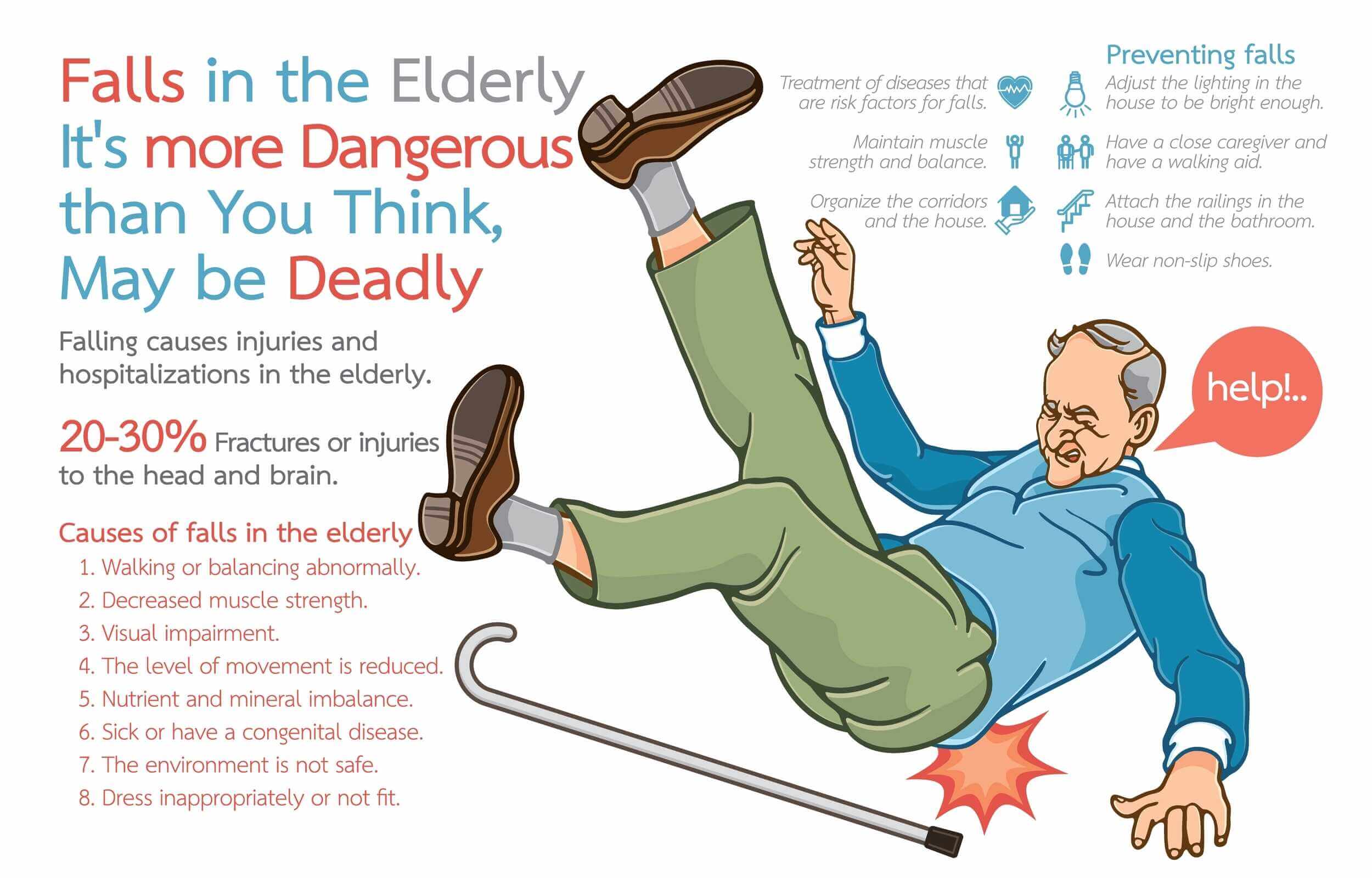
Physical therapists are documentation machines. Every patient visit generates a SOAP note. Every treatment plan requires detailed justification. Every discharge summary, prior authorization request, and home exercise program pulls you away from the actual work of helping patients recover.
The administrative burden on PTs has never been heavier—and it keeps growing. Insurance companies want more documentation. Compliance requirements keep tightening. And through all of it, you're expected to see a full patient load.
ChatGPT won't evaluate your patients or make clinical decisions. But it can dramatically cut the time you spend on documentation, patient communication, and administrative tasks—giving you more time for the work that actually requires your hands and judgment.
These 35 prompts are organized around the tasks that eat PTs' time: SOAP notes, treatment plan documentation, patient education, prior authorizations, and professional development. Copy them, adapt to your patient and setting, and start reclaiming your day.
SOAP Notes and Clinical Documentation
Prompt 1 — Draft a SOAP note from session notes
I'm a physical therapist. Here are my notes from today's session with a [diagnosis] patient: [paste your raw notes]. Convert these into a properly formatted SOAP note. Subjective: patient-reported symptoms and complaints. Objective: measurable findings and observations. Assessment: clinical interpretation. Plan: treatment plan and goals. Keep clinical language accurate but efficient.
Prompt 2 — Write the subjective section
Write the Subjective section of a SOAP note for a PT session. The patient is a [age]-year-old [M/F] with [diagnosis]. Today they reported: [list symptoms, pain levels, functional limitations]. They also mentioned: [relevant history or changes since last visit]. Keep it concise, first-person (patient's own words where appropriate), and clinically relevant.
Prompt 3 — Write the objective section
Write the Objective section of a PT SOAP note. Today's findings: ROM: [measurements]. Strength testing: [grades]. Functional mobility: [observations]. Gait: [description]. Palpation findings: [notes]. Special tests: [results]. Vitals (if applicable): [values]. Format as clean bullet points with standard clinical abbreviations.
Prompt 4 — Write the assessment and plan
Write the Assessment and Plan sections for a PT SOAP note. Diagnosis: [diagnosis]. Current functional status: [description]. Progress toward goals: [better/plateau/declined]. Reason: [clinical rationale]. Updated treatment plan: [interventions]. Frequency/duration: [schedule]. Short-term goals (2-4 weeks): [list]. Long-term goals (6-12 weeks): [list]. Discharge criteria: [describe].
Prompt 5 — Rewrite a note for compliance
Review this PT SOAP note for insurance compliance: [paste note]. Flag any: missing skilled care justification, vague language that won't survive audit, unsupported medical necessity claims, missing functional outcome measures, or billing code mismatches. Suggest specific rewrites for each flagged item.
Prompt 6 — Write a progress note
Write a PT progress note for a patient [X] weeks into treatment. Diagnosis: [diagnosis]. Initial status: [baseline]. Current status: [current findings]. Goals met: [list]. Goals revised: [any changes and rationale]. Continued medical necessity: [justify why treatment should continue]. Format for insurance submission with clear skilled care language.
Treatment Plan Documentation
Prompt 7 — Write an initial evaluation plan
Write a PT initial evaluation and plan of care for a [diagnosis] patient. Age: [age]. Mechanism/onset: [description]. Functional limitations: [list]. Objective findings: [key findings]. Diagnosis: [ICD-10 if known]. Goals: [functional goals]. Proposed frequency: [X visits/week for Y weeks]. Interventions: [list modalities and therapeutic exercises]. Skilled care rationale: [why PT is medically necessary].
Prompt 8 — Justify continued treatment
Write a justification for continued PT treatment for a patient with [diagnosis] who has completed [X] visits. Progress to date: [describe]. Why continued skilled care is medically necessary: [clinical rationale]. Risk of stopping treatment: [describe]. Revised goals for next [Y] weeks: [list]. Format for insurance medical necessity review.
Prompt 9 — Draft a discharge summary
Write a PT discharge summary for a [diagnosis] patient completing [X] weeks of treatment. Initial status: [baseline at eval]. Final status: [status at discharge]. Goals achieved: [list with measurements]. Goals not achieved (if any): [with explanation]. Reason for discharge: [goals met / insurance exhausted / patient choice]. Home program at discharge: [describe]. Follow-up recommendations: [if any].
Prompt 10 — Write a home exercise program
Create a home exercise program for a [diagnosis] patient at [stage of rehab]. Exercises prescribed: [list exercises]. For each exercise include: clear written instructions a patient can follow independently, sets and reps, frequency, what to feel vs. what to stop for, and a progression cue. Keep language simple—assume no anatomy knowledge. This will be printed and given to the patient.
Prior Authorizations and Insurance
Prompt 11 — Write a prior authorization letter
Write a prior authorization request letter for PT services. Patient: [age/diagnosis]. Functional limitations: [describe ADL and mobility limitations]. Clinical findings supporting medical necessity: [key objective findings]. Proposed treatment: [interventions, frequency, duration]. Expected outcomes: [functional goals]. CPT codes requested: [list]. Insurance: [name]. Format for fax submission.
Prompt 12 — Appeal a denied authorization
Write an appeal letter for a denied prior authorization for PT services. Denial reason: [stated reason]. Patient: [diagnosis, age, functional status]. Why the denial is clinically inappropriate: [evidence-based argument]. Clinical literature supporting treatment: [mention any relevant guidelines]. What will happen to the patient without PT: [risk statement]. Request: [specific ask — reconsider or expedited review].
Prompt 13 — Respond to a medical necessity audit
I received a medical necessity audit request for [patient diagnosis, dates of service]. The auditor is questioning: [specific concern]. Write a response that: cites objective clinical findings from the treatment period, demonstrates measurable patient progress, justifies skilled PT vs. independent home exercise, and addresses the auditor's specific concern directly. Professional and factual tone.
Prompt 14 — Write functional outcome documentation
Document functional outcomes for a [diagnosis] patient for insurance purposes. Initial evaluation: [functional baseline — what the patient could/couldn't do]. Current status: [what they can do now]. Standardized outcome measures (if used): [LEFS, DASH, PSFS, etc. with scores]. How function has improved in: work activities, ADLs, mobility, pain with function. Format as evidence of medically necessary treatment.
Patient Education
Prompt 15 — Explain a diagnosis in plain English
Write a plain-English explanation of [diagnosis] for a patient with no medical background. Cover: what it is, what causes it, what typically makes it better or worse, what the recovery timeline usually looks like, and what the patient can do to help their own recovery. Keep it under 300 words. Avoid jargon.
Prompt 16 — Write body mechanics instructions
Write patient education instructions for proper body mechanics for [activity — e.g., "lifting at work" or "sitting at a desk all day"]. Include: the key principles, step-by-step technique, common mistakes and how to avoid them, and when to stop and rest. Format as a take-home handout a patient can reference independently.
Prompt 17 — Explain why exercises matter
A patient is questioning why they need to do their home exercises between visits. Their diagnosis is [diagnosis]. Write a motivational, science-based explanation of: why consistent exercise is critical to their recovery, what happens to tissue/muscle without it, and how home exercise accelerates their progress toward [specific goal the patient has]. Under 200 words, no jargon.
Prompt 18 — Write post-surgical precautions
Write patient education instructions for post-[surgery type] precautions. Cover: weight-bearing restrictions, movement precautions, positions to avoid, signs of complications to watch for, and when to call the surgeon. Format as a simple take-home sheet with clear dos and don'ts. This will be given to the patient at their first post-op PT visit.
Prompt 19 — Write a fall prevention handout
Create a fall prevention patient education handout for a [patient population — e.g., "65+ year-old with balance deficits"]. Include: the key risk factors for falls, home safety modifications, the exercises we're working on in PT and why they reduce fall risk, and a simple daily checklist. Keep language simple and encouraging.
Referrals and Interdisciplinary Communication
Prompt 20 — Write a referral letter to a physician
Write a professional referral letter from PT to [physician specialty] for a patient with [diagnosis]. What we've observed in PT: [clinical findings]. Why we're referring: [concern or finding that warrants physician attention]. What we're requesting: [specific ask — imaging, medication review, specialist consult]. Our contact information: [placeholder]. Professional and concise.
Prompt 21 — Write a patient transition summary
Write a patient transition summary for a [diagnosis] patient transferring from [inpatient/acute care] to [outpatient PT/home PT/SNF]. Current functional status: [describe]. Equipment in use: [list]. Precautions: [list]. Completed treatment: [what was done]. Goals for next care setting: [list]. Outstanding clinical questions: [if any]. Format for clinical handoff.
Prompt 22 — Communicate a clinical concern to a care team
Write a professional clinical communication to the care team (physician, nurse, OT) about a concern observed in PT. Patient: [diagnosis, age]. Observation: [describe clinical concern — change in function, new symptom, safety issue]. Clinical significance: [why it matters]. Recommendation: [what I'm requesting from the team]. Urgency: [routine vs. urgent]. SBAR format preferred.
Billing and Administrative
Prompt 23 — Write billing notes for timed codes
I need to document timed CPT codes for today's PT session. Treatment provided: [list interventions and time spent]. Patient: [diagnosis]. Write brief but compliant billing documentation for each timed code showing: the specific intervention, time in direct contact, clinical rationale, and patient response. Format per Medicare/CMS documentation requirements.
Prompt 24 — Explain a bill to a patient
A patient received their PT bill and is confused about the charges. Charges in question: [list CPT codes and amounts]. Write a plain-English explanation of: what each service was, why it was clinically indicated, what CPT codes mean in plain language, and how to read the EOB. Keep it reassuring and clear — the goal is to explain without creating more questions.
Prompt 25 — Write a supervision documentation note
Write a supervision note documenting PT assistant (PTA) oversight for [state/payer]. The treating provider was [PT/PTA]. Supervision level provided: [on-site/general/direct]. Clinical decision-making retained by supervising PT: [describe what PT determined]. PTA's role in treatment: [describe]. Format to meet Medicare and state practice act requirements for [state].
Professional Development
Prompt 26 — Summarize a CEU course
I completed a CEU course on [topic]. Here are my notes: [paste notes]. Summarize the 5 most clinically applicable takeaways. For each, describe: what I learned, how it changes or confirms my current practice, and one specific patient population or diagnosis where I can apply this immediately.
Prompt 27 — Prepare for a peer review
I'm preparing for a peer review of my PT documentation. The reviewer will be looking at: [known focus areas]. My recent documentation trends: [any patterns you're aware of]. Help me self-audit: what are the most common documentation deficiencies in outpatient PT, and what should I specifically review in my own notes before the audit?
Prompt 28 — Write a patient case study outline
Outline a physical therapy case study for [diagnosis]. I treated this patient for [duration] using [primary interventions]. Key outcomes: [describe]. Format the outline for a clinical presentation with sections for: patient background, examination findings, clinical reasoning, interventions, outcomes, lessons learned, and implications for similar cases.
Prompt 29 — Draft a clinical policy memo
Write a clinical policy memo for our PT department on [topic — e.g., "standardizing outcome measure administration"]. Cover: the purpose of the policy, the procedure step-by-step, who is responsible, timeline for implementation, and how compliance will be monitored. Audience: PT staff. Clear and direct.
Prompt 30 — Write a student clinical affiliation evaluation
I'm supervising a PT student on their clinical affiliation. Write an evaluation comment for [performance area — e.g., "clinical reasoning"]. The student's performance: [describe observed behaviors]. Frame this as constructive feedback that: acknowledges strengths, identifies a specific growth area, and gives a clear action step for improvement. Use professional but supportive language.
Telehealth and Remote PT
Prompt 31 — Write a telehealth session note
Write a telehealth PT session note. Platform used: [HIPAA-compliant platform]. Patient: [diagnosis]. Session type: [evaluation / follow-up / HEP review]. Clinical observations via video: [what I assessed]. Limitations of telehealth assessment noted: [any]. Plan: [interventions performed or assigned]. Medical necessity for telehealth: [clinical or access rationale]. Include required telehealth documentation language for [Medicare / commercial insurance].
Prompt 32 — Create an asynchronous home program check-in
Write a template message I can send to patients between telehealth visits to check on their home exercise program. The patient has [diagnosis] and is doing [exercises]. The message should: ask about their progress and any pain or difficulty, reinforce the importance of the program, answer common questions proactively, and keep the door open to contact me. Under 150 words.
Practice Management
Prompt 33 — Write a patient satisfaction response
A patient left a [positive / negative] review about their PT experience. The review says: [paste review]. Write a professional response that: acknowledges their feedback, thanks them if positive / addresses the concern if negative, reflects our clinic's commitment to patient care, and invites further conversation if appropriate. HIPAA-compliant (no patient details).
Prompt 34 — Draft a physician outreach letter
Write a professional outreach letter to [physician specialty] physicians in our area introducing our PT practice. Highlight: our specialties and what conditions we treat most effectively, our outcomes and approach, how we communicate back to referring physicians, and how to refer. Keep it to 1 page. Goal: warm introduction, not a hard sell.
Prompt 35 — Write a new patient welcome message
Write a welcome message for new PT patients at our [clinic type] practice. Include: what to expect at their first visit, what to bring, how to prepare, parking/location info [placeholder], a reassuring note about the evaluation process, and how to contact us with questions. Friendly and professional. Under 300 words.
Getting the Most From These Prompts
Add your clinical context. These prompts need your patient specifics—diagnosis, objective findings, functional status, goals—to produce useful output. Vague inputs produce vague outputs.
Review every clinical output. ChatGPT does not know your patient, your state's practice act, your payer's documentation requirements, or your clinic's policies. Treat all output as a first draft requiring your clinical judgment.
Never paste PHI. Use placeholders for patient names, DOBs, and other identifying information. Work within your clinic's HIPAA policies before using any AI tool for documentation.
Build templates from winners. When a prompt produces documentation you'd actually use, save it. A library of 20-30 tuned prompts for your common diagnoses is worth more than generic advice.
The Complete Physical Therapy AI Toolkit
These 35 prompts cover the core documentation and administrative tasks in PT practice. If you want the full system—advanced prompts for complex cases, ready-to-use templates for common diagnoses, compliance documentation guides, and a workflow for integrating AI into your daily documentation routine—the Physical Therapist AI Toolkit has everything you need.
Get the Physical Therapist AI Toolkit →
Bookmark this page. Share it with a colleague. Pick one prompt before your next note—you'll see the difference immediately.
Popular Products
-
 Classic Oversized Teddy Bear
$23.78 -
 Gem's Ballet Natural Garnet Gemstone ...
$171.56$85.78 -
 Butt Lifting Body Shaper Shorts
$95.56$47.78 -
 Slimming Waist Trainer & Thigh Trimmer
$67.56$33.78 -
 Realistic Fake Poop Prank Toys
$99.56$49.78