Alabama Cold Storage That Supports Food Plant Expansion
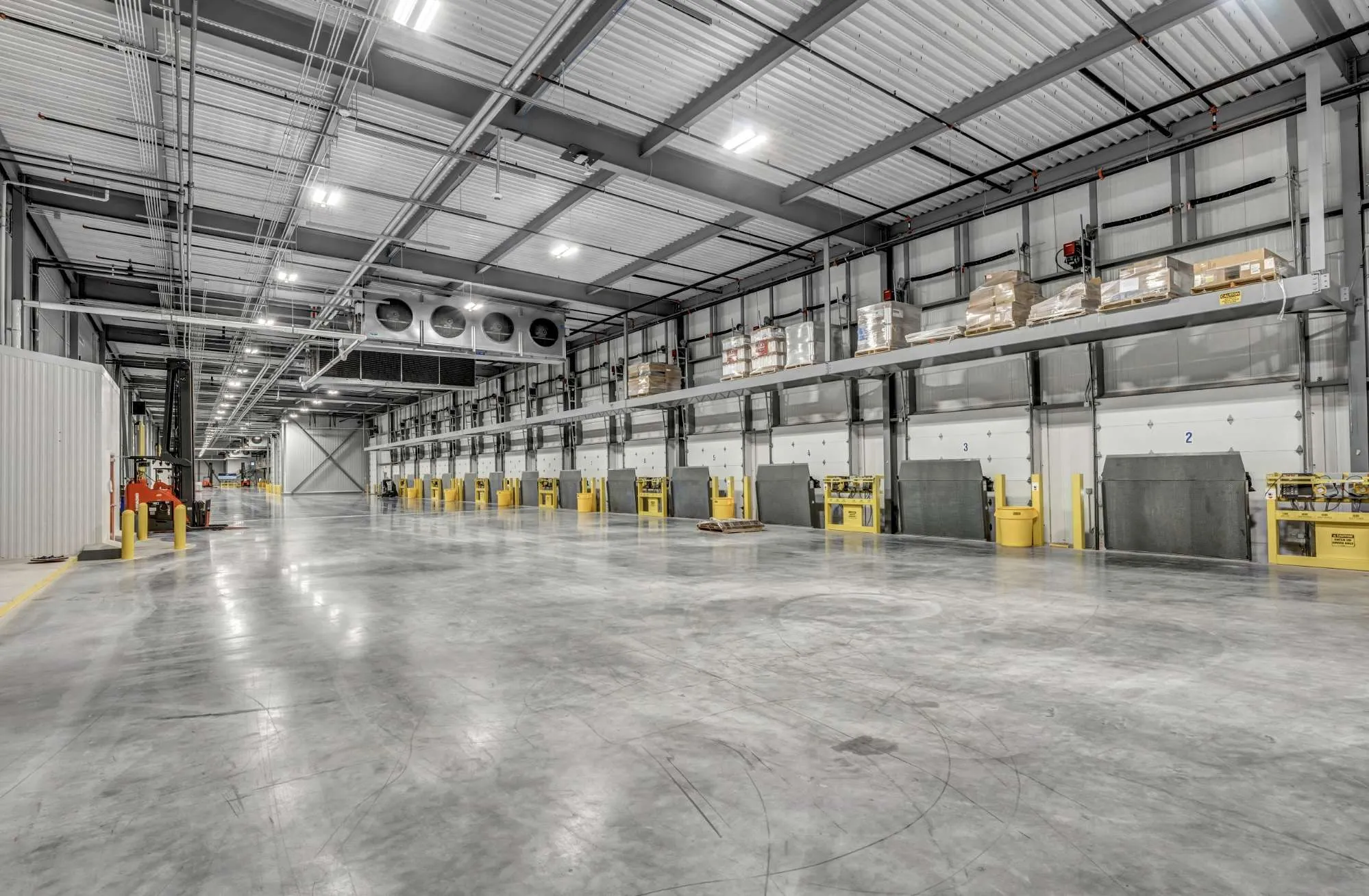
Alabama Cold Storage That Supports Food Plant Expansion
Food producers rarely decide to expand because they simply want a larger building. Usually, demand is growing, product mix is changing, or an existing freezer has become a bottleneck. An Alabama cold storage project should solve those business problems first. The building comes next.
That approach therefore matters. Poultry, meat, seafood, dairy, bakery, produce, and frozen food operations depend on reliable temperature control. As production grows, storage, freezing, utilities, docks, and material flow must grow with it. A well-planned expansion brings those systems together.
Why Alabama Cold Storage Matters for Producers
Alabama has a deep connection to agriculture and food production. The Alabama Department of Commerce identifies food products as a priority sector supported by farms, processors, research, and distribution infrastructure. That foundation creates opportunities for companies that need to add capacity near raw materials, labor, customers, or established plants.
Therefore, successful Alabama cold storage planning starts with the operation. It asks how products move today, where delays occur, and what future production will require. Those answers shape a facility that supports growth instead of merely adding square footage.
Find the Real Capacity Constraint
Before drawing a floor plan, the project team should understand the current bottleneck. However, the apparent storage problem may hide a different constraint elsewhere in the operation. Blast freezing, tempering, staging, dock availability, refrigeration, or labor flow may cap throughput first.
Start with product volume by day, week, and season. Then review dwell time, pallet turns, order profiles, shipping schedules, and temperature requirements. This information creates a dependable capacity model. It also prevents a common mistake, which is sizing a building around average inventory while ignoring peak demand.
Ti Cold begins with disciplined cold storage planning because each design decision affects another. More pallet positions may require added refrigeration. Faster freezing may change electrical demand. New docks may alter traffic patterns. Looking at the full operation early helps owners invest where capacity will create the greatest return.
Decide Whether to Expand or Build New
An addition to an operating plant can preserve a valuable location and existing infrastructure. It may also keep storage close to production. However, expansion can be difficult when the site has limited land, tight truck circulation, aging utilities, or little room for construction.
A practical feasibility study compares both paths. It should review land, zoning, utilities, refrigeration, drainage, traffic, schedule, and operational risk. In addition, the team should consider tax programs and local requirements. Ti Cold’s site selection services help owners evaluate those factors before committing capital.
Connect Cold Storage to Production
For a producer, cold storage is part of the process. It should not function as an isolated warehouse. Product may move from cooking, chilling, packaging, or freezing into storage within minutes. Consequently, the layout must protect temperature, food safety, and flow at every handoff.
The best layout follows the product. Raw materials should arrive without crossing finished goods. Packaging should have a clear route to production. Finished pallets should move toward freezing, storage, picking, and shipping with minimal backtracking. As a result, the expansion supports more output without creating new congestion.
Engineer Refrigeration Around the Load
Refrigeration design begins with more than room temperature. Engineers must account for incoming product temperature, pull-down time, door openings, people, lighting, motors, defrost, and outside conditions. Processing loads can change quickly, especially when warm product enters a cooler or blast freezer.
Alabama’s heat and humidity make the building envelope equally important. Insulation, vapor barriers, roof details, floor systems, and door controls must work together. Otherwise, moisture can enter the envelope, create frost, damage materials, and increase energy use.
Ti Cold coordinates cold storage engineering with building design from the beginning. This integrated approach helps align compressors, condensers, evaporators, piping, controls, and electrical service with real operating demand. It also creates space for maintenance and future equipment, which can make later growth less disruptive.
Protect Production During Construction
Expanding an active food plant requires a careful sequence. Production cannot simply stop while crews connect a new freezer or relocate utilities. Therefore, phasing should become part of design, budgeting, and scheduling from the first meeting.
The team should identify shutdown windows, temporary routes, tie-in points, and protected work zones. It should also plan how workers, materials, and equipment will enter the site. Separate access reduces interference with employees, inbound ingredients, and outbound loads.
Meanwhile, the construction plan should protect the cold chain during every tie-in. Temporary walls and controlled access can separate work from food operations. Managers should also define contingency steps before crews begin. Clear responsibilities help plant leaders react if utilities or production conditions change. Finally, an organized response can limit disruption.
Design for Sanitation and Compliance
Cold storage design must support the plant’s food safety plan. Cleanable surfaces, controlled drainage, sealed penetrations, and suitable lighting make sanitation easier. Likewise, clear separation between raw and finished products reduces cross-contact risk.
Meat and poultry processors face additional oversight. The Alabama Department of Agriculture and Industries regulates qualifying state-inspected establishments and highlights HACCP training requirements. Expansion planning should involve regulatory teams early, since room use, product flow, and inspection needs can influence the layout.
Use Alabama’s Logistics Network Wisely
Location can strengthen the business case for Alabama cold storage. The state offers highway, rail, waterway, and port connections for domestic and international movement. Still, access only adds value when the site layout handles refrigerated traffic efficiently.
Truck courts need enough depth for safe maneuvering. Gate locations should prevent queues from blocking public roads. Dock counts should reflect peak receiving and shipping periods rather than daily averages. In addition, trailer parking and employee traffic should remain separated when possible.
For companies moving imports or exports, the Alabama Port Authority cold storage network connects refrigerated cargo with road, rail, waterway, and air options. Producers should compare those routes with customer locations and carrier availability. A thoughtful site can reduce miles, handoffs, and temperature risk across the supply chain.
Plan Utilities Before They Limit Growth
Cold facilities place significant demands on electric, water, sewer, gas, and communications infrastructure. An available parcel does not always have enough usable capacity. Therefore, the project team should confirm utility service, upgrade costs, and lead times before final design.
Electrical planning deserves special attention. Refrigeration, charging equipment, conveyors, automation, lighting, and processing systems may operate together during peak periods. A realistic load profile helps utilities and engineers size service correctly. It can also reveal opportunities for demand management or staged equipment operation.
Build Resilience Into Alabama Cold Storage
Temperature-controlled operations need a clear plan for outages, severe weather, equipment failure, and transportation delays. Resilience starts with understanding which loads and processes are truly critical. From there, owners can evaluate backup power, equipment redundancy, spare parts, remote monitoring, and emergency response procedures.
Resilience should fit the operation rather than follow a standard checklist. A seafood freezer may have different risk tolerance than a produce cooler. A plant serving daily retail orders may prioritize docks and order picking. By matching systems to business risk, owners can protect products without overspending on unused capacity.
Leave Room for the Next Expansion
Today’s project should make tomorrow’s growth easier. That may mean reserving land, extending structural grids, planning utility corridors, or positioning the engine room for another phase. It may also mean choosing a rack layout that can adapt as order profiles change.
However, flexibility needs a purpose. Empty space alone does not create a good expansion plan. The design team should define likely growth triggers, such as a new product line, added production shift, customer contract, or export program. Then the facility can support those scenarios with deliberate provisions.
Ti Cold’s integrated design and construction solutions connect current requirements with long-term goals. That perspective helps producers avoid boxing themselves in with docks, roads, refrigeration equipment, or building orientation.
Turn Expansion Into Operating Value
The value of Alabama cold storage should appear in daily performance. A successful project may reduce third-party storage costs, shorten product travel, improve inventory control, or increase production uptime. It may also improve order accuracy and give the sales team room to pursue new customers.
Every choice should serve the operating plan. When capacity, refrigeration, flow, labor, and logistics work together, the building becomes a tool for profitable growth.
Start Your Alabama Cold Storage Expansion
Plant expansion is a major investment, yet the right early work creates clarity. Begin with production data, inventory needs, site conditions, utility capacity, and future goals. Then bring operations, engineering, construction, food safety, and finance into the same conversation.
Ti Cold specializes in temperature-controlled facilities for companies that are expanding, upgrading, or building from the ground up. Our team connects planning, engineering, design, and construction around the way your business operates.
If growing production has outpaced your freezer, cooler, or distribution space, it may be time to plan the next phase. Talk with Ti Cold about an Alabama cold storage solution built for today’s operation and tomorrow’s opportunity.
The post Alabama Cold Storage That Supports Food Plant Expansion appeared first on Ti Cold.
Popular Products
-
 Classic Oversized Teddy Bear
$23.78 -
 Gem's Ballet Natural Garnet Gemstone ...
$171.56$85.78 -
 Butt Lifting Body Shaper Shorts
$95.56$47.78 -
 Slimming Waist Trainer & Thigh Trimmer
$67.56$33.78 -
 Realistic Fake Poop Prank Toys
$99.56$49.78