Applied Sciences, Vol. 16, Pages 93: Knee Extension Strength And Mobility As Key Predictors Of Falls In Older Adults: Implications For Fall Prevention Programs
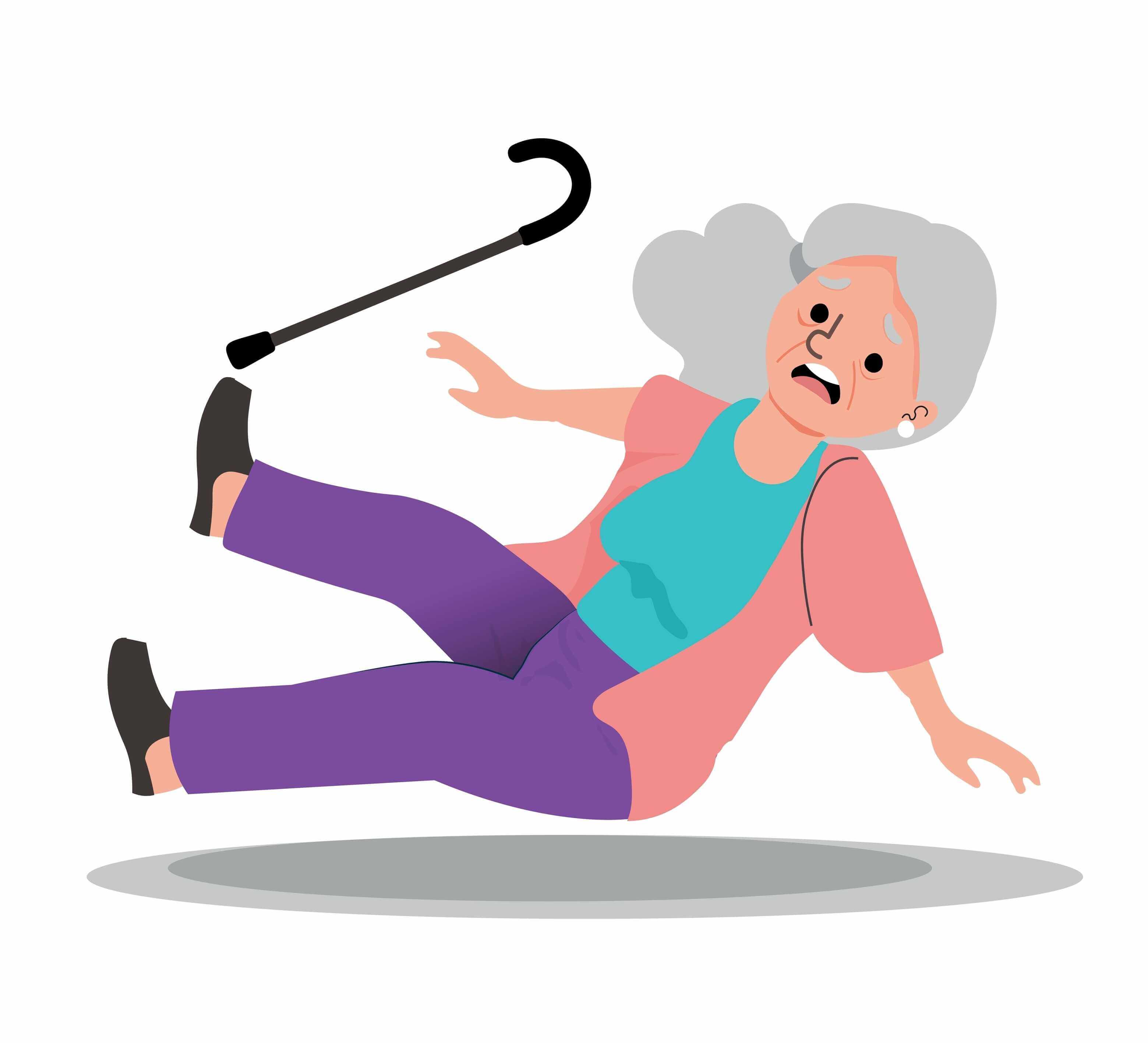
Applied Sciences, Vol. 16, Pages 93: Knee Extension Strength and Mobility as Key Predictors of Falls in Older Adults: Implications for Fall Prevention Programs
Applied Sciences doi: 10.3390/app16010093
Authors: Jong-Seon Oh Jin-Seop Kim Seong-Gil Kim
With the global population aging, managing fall risk among older adults has become a critical public health concern. Older adults attending adult daycare centers in South Korea are vulnerable due to poorer physical function and higher walking aid usage compared to community-dwelling counterparts. However, existing studies have primarily targeted community-dwelling older adults and rarely integrated both psychological and physical factors comprehensively. This study aimed to bridge these gaps and enhance fall prevention strategies. A study was conducted with 78 older adults (mean age = 83.24 ± 6.50 years; 82.1% female) from adult daycare centers. Physical assessments and structured interviews were conducted to measure strength, balance, and proprioception. Structured interviews collected demographic data and fear of falling. Significant differences in walking aid use, strength, balance, and proprioception were observed between participants with and without a history of falls (p < 0.05). Logistic regression analysis revealed that knee extension strength (OR = 0.893, 95% CI = 0.819–0.973) and longer timed up and go test times (OR = 1.098, 95% CI = 1.012–1.192) were significant predictors of falls. The combined model achieved an AUC of 0.83 (95% CI = 0.73–0.92), demonstrating good discriminative validity for fall prediction. Given the high fall risk in this population, targeted programs emphasizing lower-limb strengthening and mobility enhancement are essential to reduce fall incidence.
Popular Products
-
 Gas Detector Meter
$311.56$155.78 -
 Foldable Garbage Picker Grabber Tool
$93.56$46.78 -
 Portable Unisex Travel Urinal
$49.56$24.78 -
 Reusable Keychain Pepper Spray – 20ml
$21.56$10.78 -
 Camping Survival Tool Set
$41.56$20.78