Covington Fire Dept. Reports ‘community Paramedicine’ Pilot; Plans For Future
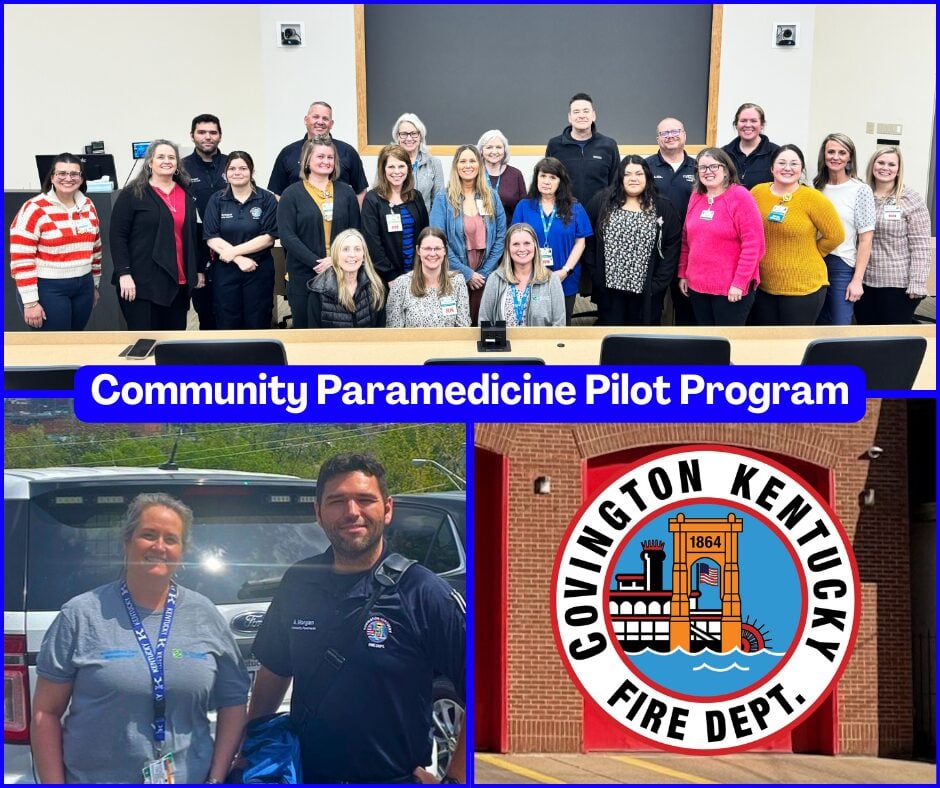
When a person’s health challenges extend beyond the walls of a doctor’s office, the Covington Fire Department has stepped in as part of the solution — literally meeting residents where they live. That approach defined the Community Paramedicine pilot program, a collaborative effort designed to bridge gaps between vulnerable patients and the traditional healthcare system.
Community paramedicine functions as a critical connection point for patients who struggle to manage chronic conditions, frequently rely on emergency services, or face barriers such as transportation or limited access to follow-up care. By delivering services in the home and coordinating closely with healthcare providers, the program focused on improving outcomes while reducing unnecessary strain on emergency and hospital systems.
How the program began
In March 2024, the Covington Fire Department was approached by St. Elizabeth Physicians to participate in a grant-funded Community Paramedicine pilot program supported by the COPIC grant. The City saw its first patient on April 1, 2025, and the pilot formally concluded on October 31, 2025, when the COPIC grant expired.
While the pilot funding has ended, the impact of the program continues to inform Covington’s approach to public safety and healthcare delivery. The Covington Fire Department is actively pursuing new grant opportunities and exploring long-term funding strategies to continue and sustain community paramedicine services.
Goals and purpose
The purpose of the Community Paramedicine pilot was to provide individualized care and support that empowers patients to actively engage in their own healthcare. Core goals included:
• Improving chronic condition health literacy
• Reducing avoidable emergency department visits
• Decreasing inpatient admissions
• Reducing unnecessary 9-1-1 calls
• Increasing attendance at hospital follow-up appointments, and
• Improving compliance with primary care visits
The pilot demonstrated that proactive, home-based care can meaningfully improve patient experience while easing the burden on emergency services.
Target population
Patients enrolled in the program met specific clinical eligibility criteria. These included individuals diagnosed with COPD, heart failure, diabetes, post-myocardial infarction conditions, or chronic kidney disease who had not been successful in managing their conditions through traditional care models.
Eligibility also required two or more avoidable emergency department visits or inpatient admissions within the previous six months.
During the pilot:
• 89 patients participated
• 352 home visits were completed
• Patients averaged four visits each
Services provided
Each visit paired a Covington paramedic with a St. Elizabeth Physicians nurse, social worker, or respiratory therapist. Weekly in-home visits allowed teams to identify barriers that are often missed in clinical settings.
Services included:
• Home visits and person-centered care planning
• Comprehensive social determinants of health assessments
• Coordination with primary and specialty care providers
• Medication reconciliation and education
• Chronic disease education and self-management support
• Connection to community partners and outpatient services
• Education on St. Elizabeth’s free 24/7/365 nurse helpline, and
• Home safety assessments, including fire and fall prevention
As a result of these assessments, patients received support such as smoke detector installation, durable medical equipment, handrail adjustments, and education on home safety and fall prevention. Social needs addressed included food insecurity, transportation access, and housing assistance.
Outcomes and impact
Early outcomes from the pilot show substantial benefits for both patients and the community:
• 57% reduction in emergency department visits, and
• 73% reduction in 9-1-1 calls among participating patients
Patient-reported outcomes also reflected positive change. DUKE health assessment scores showed a moderate improvement in overall health perception and a significant improvement in mental health scores over the course of the visits. While physical health scores declined slightly, this is believed to reflect increased awareness and understanding of existing health conditions as a result of education and engagement.
Collectively, the results point to improved clinical outcomes, reduced demand on emergency services, and a better overall patient experience.
Laying the groundwork for the future
Although the COPIC grant that funded the pilot has expired, the program laid a strong foundation for a new care delivery model in Northern Kentucky. Covington EMS teams are exploring ways to integrate the cost of community paramedicine into future city budgets while actively pursuing additional grant funding.
Long-term sustainability will also require the development of reimbursement models for community paramedicine, including engagement with commercial payers.
The Covington Fire Department remains committed to building on the success of this pilot and working with regional partners to continue delivering compassionate, innovative care to the community.
Covington Fire Department
The post Covington Fire Dept. reports ‘community paramedicine’ pilot; plans for future appeared first on NKyTribune.
Popular Products
-
 Large Wall Calendar Planner
$55.76$27.78 -
 Child Safety Cabinet Locks - Set of 6
$83.56$41.78 -
 USB Touchscreen Heated Fingerless Gloves
$75.56$37.78 -
 Golf Swing Trainer Practice Stick wit...
$21.56$10.78 -
 Golf Swing Training Belt
$41.56$20.78