Effectiveness Of Clinical Decision Support In Fall Prevention Among Older Adults: A Systematic Review And Meta-analysis
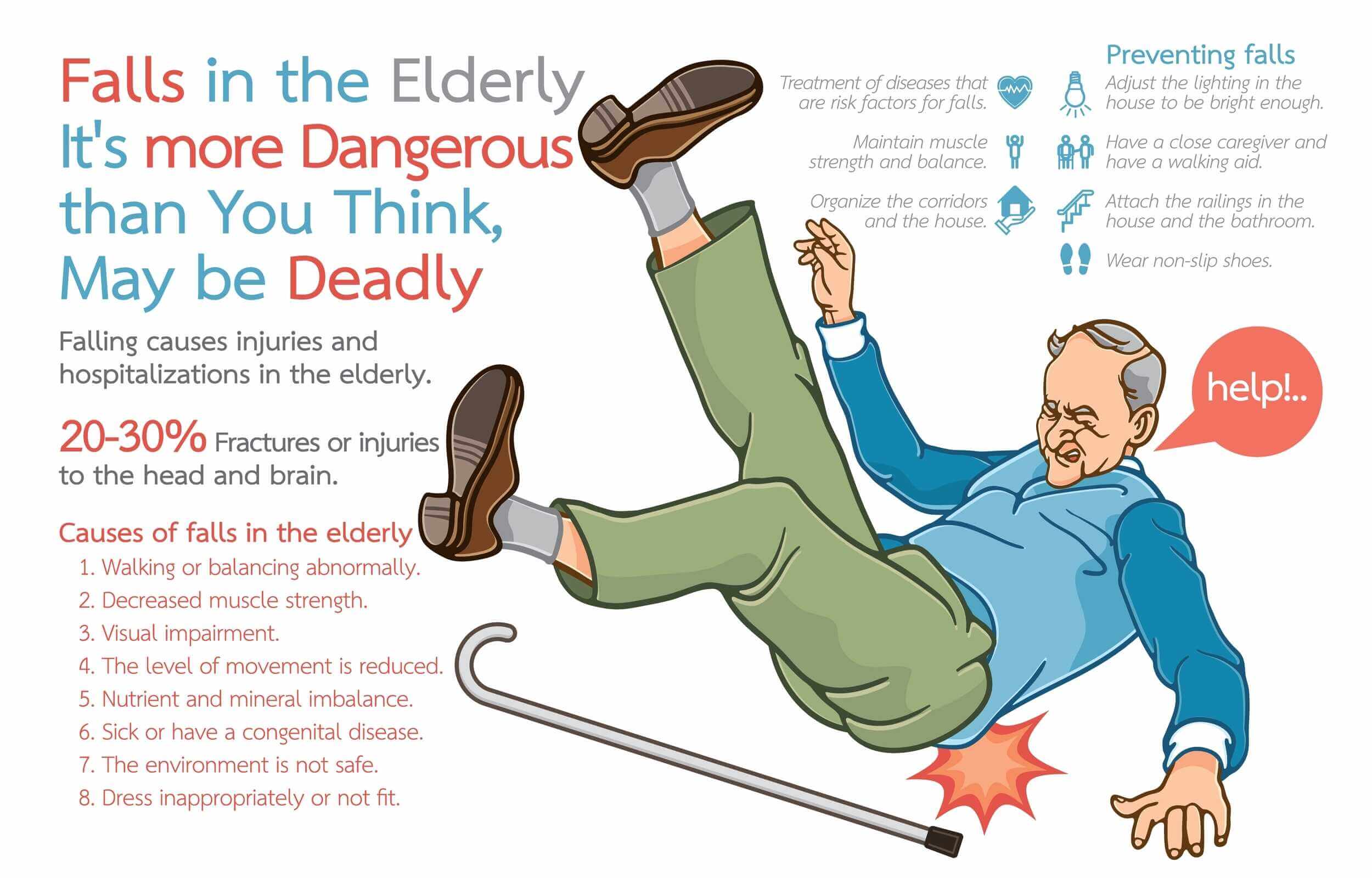
by Rune Solli, Nina Rydland Olsen, Linda Aimée Hartford Kvæl, Stijn Van de Velde, Are Hugo Pripp, Signe Agnes Flottorp, Therese Brovold
BackgroundSystematic use of Clinical Decision Support (CDS), which provides timely information to assist healthcare practitioners in decision-making, is recommended in the implementation of fall prevention among older adults. This systematic review aimed to evaluate the effects of CDS for fall prevention on healthcare practitioners’ adherence to recommended practice, medication outcomes, and patient outcomes.
MethodsWe searched Medline, EMBASE, CINAHL, Cochrane Library, Web of Science, AMED, PEDro, and Google Scholar from the earliest available dates through January 2025. We included randomised and non-randomised studies that directly compared interventions consisting of CDS presented on-screen or on paper to healthcare practitioners aiming to prevent falls in persons aged 65 years or older. We analysed healthcare practitioner performance, medication review and prescribing, fall risk, fall rate, and fall injury rate as primary outcomes. Two reviewers independently screened studies and assessed for risk of bias. We synthesised results using meta-analyses and vote-counting based on direction of effect, when possible, otherwise narratively, and we rated the certainty of the evidence using the GRADE approach.
ResultsOf 25 included studies, 20 were randomised and five were non-randomised. Most CDS tools supported healthcare practitioners in performing multifactorial fall risk assessments and follow-up interventions based on identified risks (60%) and most were delivered electronically (60%). CDS may improve healthcare practitioners’ adherence to recommended practice (all eight comparisons favouring CDS; 95% confidence interval [CI] 68% to 100%; low certainty) and likely improve medication review and prescribing (all nine comparisons favouring CDS; 95% CI 70% to 100%; moderate certainty), although the effect sizes are uncertain. CDS may reduce fall risk, but the effect may be small (odds ratio 0.93; 95% CI 0.81 to 1.01; low certainty). CDS likely reduces fall rates in hospitals or residential care (rate ratio [RaR] 0.74; 95% CI 0.63 to 0.88; moderate certainty) and in patients aged 80 years or older (RaR 0.72; 95% CI 0.61 to 0.86; moderate certainty). CDS may reduce fall rates in community-dwelling older adults (RaR 0.97; 95% CI 0.93 to 1.00; moderate certainty) and in patients aged between 65 and 80 years (RaR 0.92; 95% CI 0.84 to 1.01; low certainty), though the effects in both of these subgroups may be small. CDS may reduce fall injury rates in older adults aged between 65 and 80 years (RaR 0.80; 95% CI 0.59 to 1.09; low certainty). The evidence on fall injury rates in patients aged 80 years or older was very uncertain.
ConclusionCDS likely enhances healthcare practitioners’ performance in fall prevention among older adults; however, the effect sizes remain unknown. Although CDS may improve patient outcomes in fall prevention, both the effect sizes and the certainty of evidence vary. Results from this study may inform the planning and implementation of CDS in fall prevention. Future studies should strive for clearer reporting of CDS design factors to allow for an evaluation of which factors may influence the success of CDS interventions in fall prevention.
Trial registrationRegistration: PROSPERO, CRD42021250500.
Popular Products
-
 Automotive CRP123X OBD2 Scanner Tool
$649.56$324.78 -
 Portable USB Rechargeable Hand Warmer...
$61.56$30.78 -
 Portable Car Jump Starter Booster - 2...
$425.56$212.78 -
 Electric Toothbrush & Water Flosser S...
$43.56$21.78 -
 Foldable Car Trunk Multi-Compartment ...
$329.56$164.78