Emergencies In Amyotrophic Lateral Sclerosis
ABSTRACT
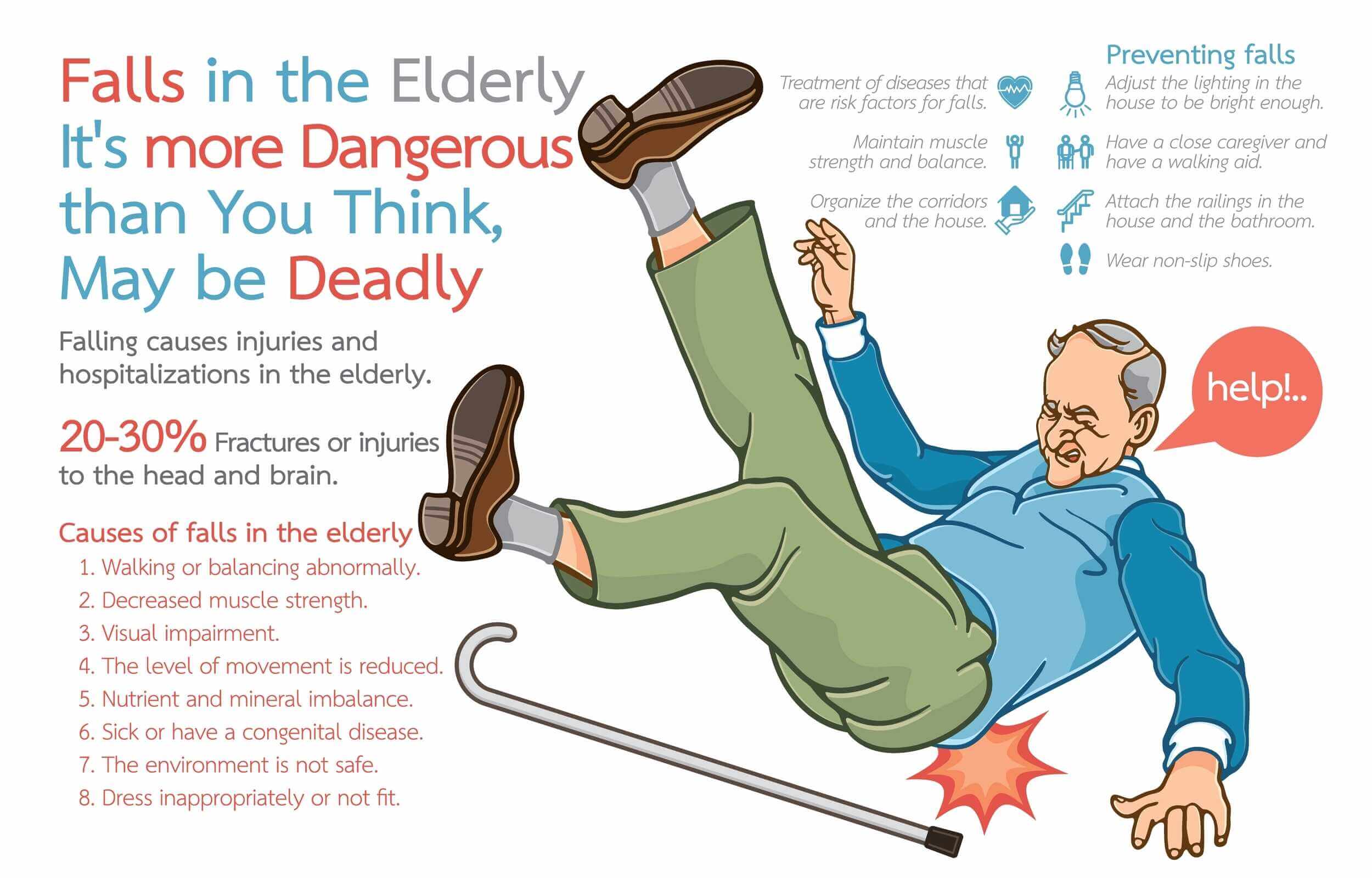
Emergencies are frequent in people living with amyotrophic lateral sclerosis (pALS), especially as the disease progresses, and can necessitate urgent evaluation and intervention. Progressive weakness in ALS inevitably increases fall risk, making discussion of fall prevention strategies integral to caring for pALS. Thromboembolic events and respiratory failure may present insidiously in ALS, requiring a high index of clinical suspicion, and management strategies differ from those for individuals without ALS. Bulbar impairment in ALS can give rise to aspiration, laryngospasm, and malnutrition leading to emergency department (ED) visits, underscoring the need for early consideration of gastrostomy tube placement. PALS face an increased risk of serious infections, making vigilant monitoring for any acute change essential. Tracheostomy and gastrostomy, although life-sustaining measures in ALS, may require ED care when complications arise. Proactive assessment and management are critical to prevent complications related to constipation, urinary dysfunction, cognitive and behavioral issues. Although serious adverse events from ALS treatments are very rare, potential immune-mediated neurologic complications are a consideration with tofersen use. Importantly, ALS emergencies should be viewed as potential indicators of disease progression, prompting timely serious illness discussions and reassessment of goals of care. Anticipation of potential complications and emergencies, combined with an understanding of appropriate evaluation and evidence-based management, constitute critical components of caring for pALS. Early recognition and proactive management of these emergencies can improve safety, reduce avoidable hospitalizations, and support goal-concordant, patient-centered care.
Popular Products
-
 Classic Oversized Teddy Bear
$23.78 -
 Gem's Ballet Natural Garnet Gemstone ...
$171.56$85.78 -
 Butt Lifting Body Shaper Shorts
$95.56$47.78 -
 Slimming Waist Trainer & Thigh Trimmer
$67.56$33.78 -
 Realistic Fake Poop Prank Toys
$99.56$49.78