Hip Abductor Strength Predicts Injurious Falls And Mediates The Balance Confidence–falls Relationship: A Competing Risk Model
ABSTRACT
Background
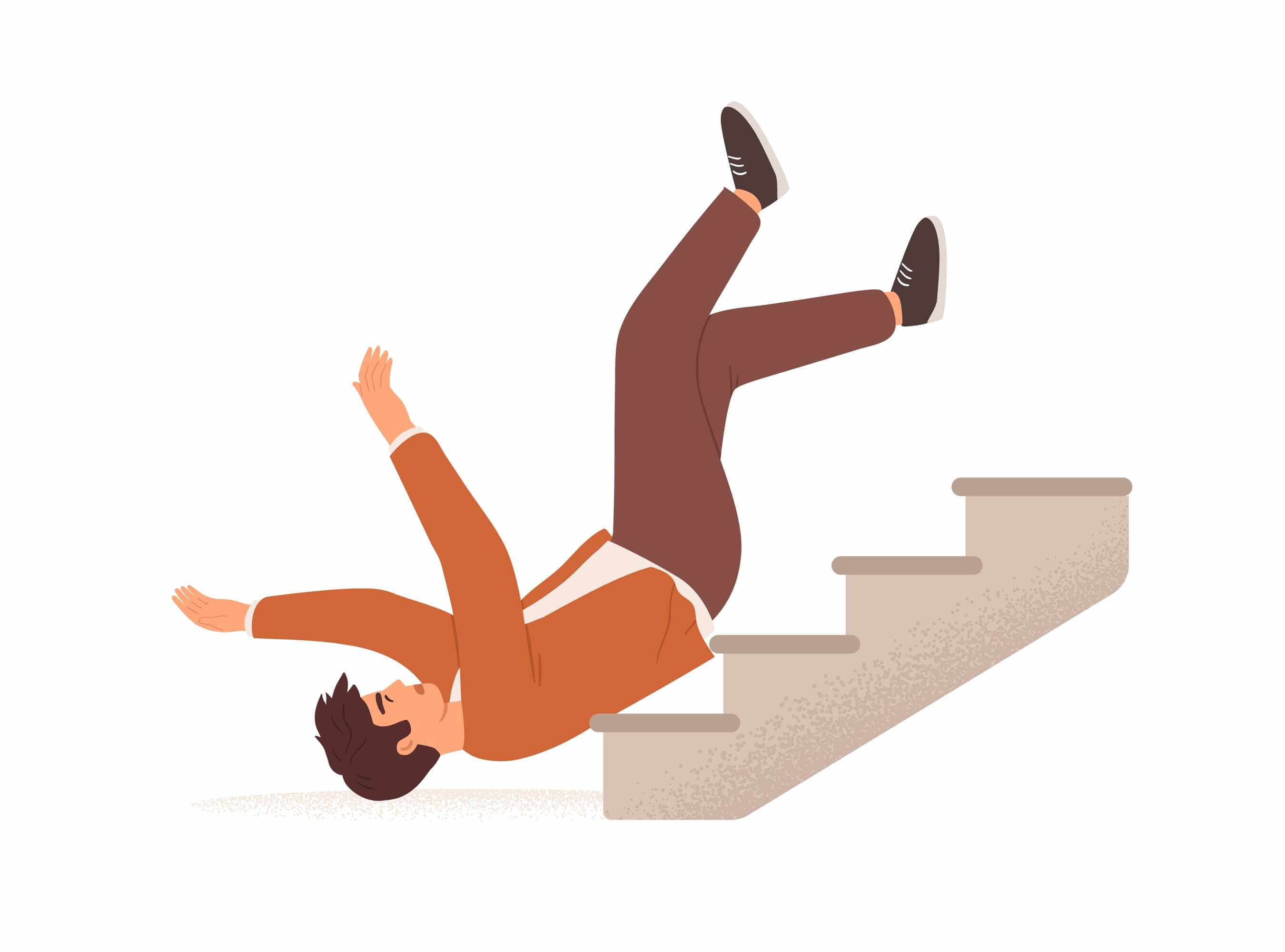
Falls are a major public health issue, largely driven by age-related declines in hip and lower limb muscle strength. Hip muscle strength plays a critical role in postural stability and falls prevention. Lower balance confidence increases fall risk by restricting activity participation, which may contribute to muscle weakness over time. This study examined the association between hip abductor and flexor strength and the incidence of injurious falls in older adults and investigated whether hip abductor and flexor strength mediate the relationship between balance confidence and incident injurious falls.
Methods
Participants (n = 952; aged ≥ 65 years) were drawn from the Geelong Osteoporosis Study (GOS). The outcome was the time to first emergency department presentation for an incident injurious fall. Hip abductor and flexor strength were assessed using a handheld dynamometer to measure hip abduction and flexion force, with strength values adjusted for leg lean mass measured by dual-energy X-ray absorptiometry. Balance confidence was assessed using the 14-item Modified Falls Efficacy Scale (MFES). Associations between hip muscle strength and incident injurious falls were evaluated using a competing risk regression model, which accounted for death as a competing event. The results are expressed as adjusted sub-distribution hazard ratios (aSHR) and 95% confidence intervals. Mediation analysis was conducted to assess whether hip abductor and flexor strength mediated the relationship between balance confidence and the incidence of injurious falls.
Results
Among the 952 participants, 38% were women (mean age 76.1 ± 7.3 years), and 62% were men (mean age 76.9 ± 7.0 years). The median follow-up time was 11.5 years (IQR 5.9–19.0). During follow-up, 219 participants (23.0%) experienced at least one injurious fall, corresponding to an incidence rate of 19.3 per 1000 person-years (95% CI: 16.9–22.0). Greater hip abductor strength was associated with a lower risk of incident injurious falls (aSHR = 0.835, 95% CI: 0.724–0.963; p = 0.013), with each 1-N/kg increase in hip abductor strength reducing the sub-distribution hazard by 16.5%. Hip flexor strength was not significantly associated with incident injurious falls. Hip abductor strength accounted for 23.7% of the association between balance confidence and incident injurious falls.
Conclusions
Greater hip abductor strength is protective against incident injurious falls in older adults and partially mediates the relationship between balance confidence and injurious falls. Fall prevention strategies should integrate hip abductor strengthening with interventions targeting cognitive and psychological factors, such as improving balance confidence.
Popular Products
-
 Classic Oversized Teddy Bear
$23.78 -
 Gem's Ballet Natural Garnet Gemstone ...
$171.56$85.78 -
 Butt Lifting Body Shaper Shorts
$95.56$47.78 -
 Slimming Waist Trainer & Thigh Trimmer
$67.56$33.78 -
 Realistic Fake Poop Prank Toys
$99.56$49.78