How Digital Orthodontic Planning Is Changing Adult Braces Treatment
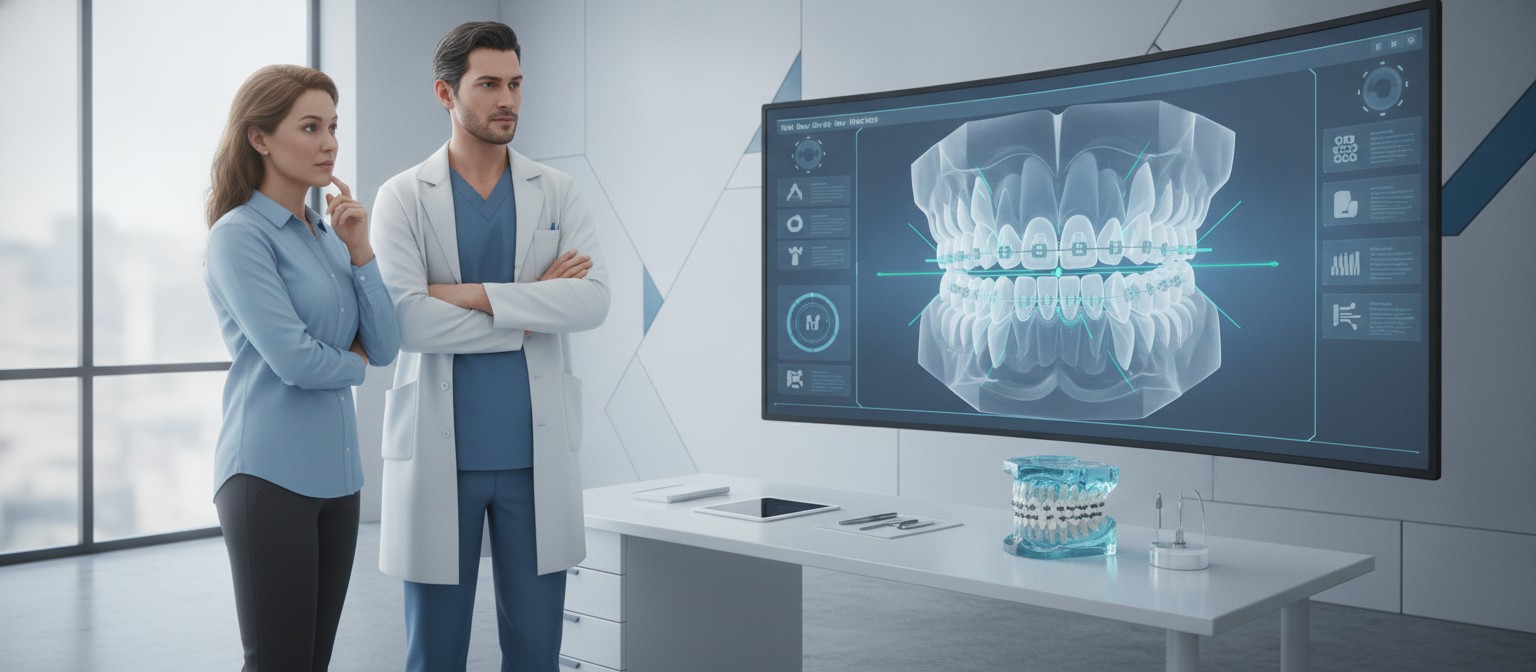
Digital models have made orthodontic planning easier to explain. A clinician can rotate an image of the teeth, examine relationships from different angles, and discuss proposed changes without asking a patient to imagine every movement. For adults considering braces, that can make a complicated decision more understandable.
The technology does not make the decision on its own. A model is a representation of part of the mouth, and a simulation shows intended movement under assumptions. Its value depends on the quality of the records, the clinician’s interpretation, and the way the plan is checked against the patient over time.
Building a useful set of records Orthodontic records can include an examination, medical and dental history, photographs, impressions or intraoral scans, and radiographs when indicated. Different records answer different questions. A surface scan may describe tooth shapes and how they fit together, but it cannot replace information about structures beneath the gums.
More Fall Prevention stories