How Lems Affects Mobility And Leg Strength — And What To Do
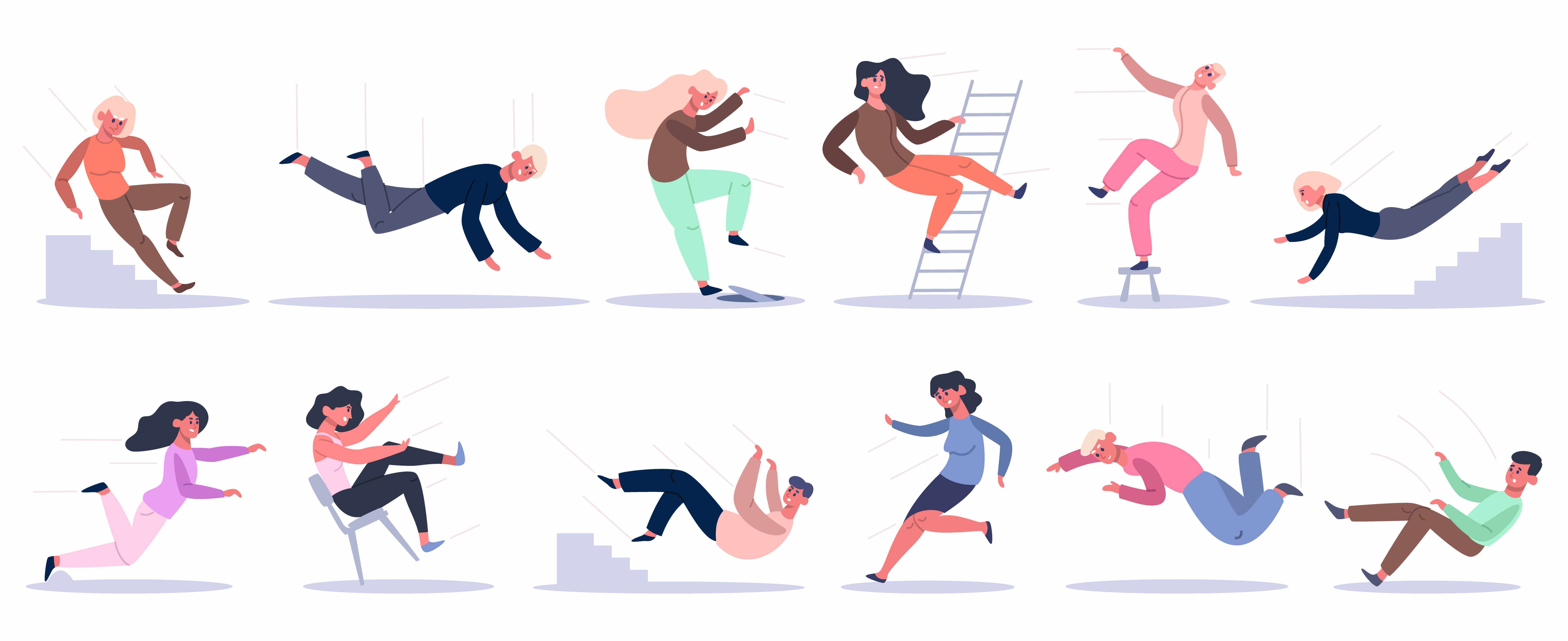
If you’re living with Lambert-Eaton myasthenic syndrome (LEMS), you may notice that your muscles feel weak, especially in your legs and hips. Some people describe their legs as feeling heavy, like they’re harder to lift or move. You might even notice changes in the way you walk, or your gait. And if you’re managing both LEMS and cancer, fatigue from the cancer itself or treatment for cancer can make weakness feel even more intense. “The first two years are often when autoimmune activity and cancer treatment place the greatest strain on strength and endurance,” says Shui Yu, DPT, a physical therapist at City of Hope Orange County in Irvine, California. “Early rehabilitation helps preserve mobility and independence and can also improve treatment tolerance, functional outcomes, and overall quality of life during cancer care.” You might think hitting the gym is the best way to build strength, but standard workouts are not the best approach if you have LEMS. Follow these tips on finding the right care team, exercises, and other tools to help improve mobility and leg strength. Specialized Physical Therapy vs. General Exercise for LEMS Management Physical Therapy vs. General Exercise It’s completely understandable to want to build your strength back. But with LEMS, weakness isn’t just about muscles being out of shape. It’s caused by changes in how the nerves communicate with the muscles. That means standard gym workouts aren’t always the safest or most effective way to regain strength. A physical therapist can offer carefully tailored exercises to help with fatigue, strength, and treatment-related side effects. The earlier you start, the better, says Yu. Make sure to find a physical therapist with experience navigating neuromuscular or paraneoplastic symptoms, so they can better cater the exercises to your needs. If a physical therapist isn’t familiar with LEMS or these types of symptoms, “They can overwork patients, making them more fatigued or weaker than they should be,” says Christopher Nance, MD , a neurologist with University of Iowa Health Care in Iowa City who specializes in neuromuscular diseases. “The goal of physical therapy is not to get your muscle strength back to normal based on just exercise, but to keep your muscles active through gentle exercise.” 7 Essential LEMS Exercises for Hips and Thighs Essential LEMS Exercises Strengthening the hips and thighs directly supports standing, climbing stairs, and walking, says Yu. “Low-impact, functional exercises build strength safely without overfatiguing the neuromuscular junction,” she says, “while mobility and breathing exercises support posture and respiratory efficiency.” Beyond that, she adds, regular activity also helps reduce cancer-related fatigue, enhance balance, support circulation, and improve quality of life. Your physical therapist may recommend specific exercises for increasing your mobility and leg strength with LEMS. Ask how many sets of each exercise would be best for you: Sit-to-Stand This exercise targets your quads, glutes, and core. Start seated on a sturdy chair, and rise to a full standing position without using your hands to grab onto something. Then, slowly lower yourself back into the chair. Supported Mini-Squats These low-impact squats are great for targeting the proximal leg muscles, including the hips and glutes. Stand up and hold a stable surface, such as a table or chair. Gently bend your legs, stopping no more than halfway down. Slowly stand back up, using the chair or table as support. Cat–Cow Yu recommends this stretch for improving thoracic spine flexibility and promoting upright posture. On all fours, inhale while you slowly arch your back and then exhale as you round your spine. Seated March According to Yu, the seated march activates hip flexors with minimal strain and supports energy conservation. Start by sitting in a tall chair or one that supports your back. Alternate lifting your knees toward your chest in a marching motion. Isometric Gluteal Sets This static exercise can help build stability without excessive joint movement. Lie on your back (or, if you prefer, stay standing with your back straight), and squeeze your glutes for 5 to 10 seconds. Seated Leg Extensions This exercise helps maintain knee extension strength and targets the front thigh muscles. If you don’t have access to a leg extension machine, sit down on the edge of a chair, with your back straight. Straighten one leg with your toes pointed, squeeze your quad, and lift your leg. Hold this pose for a few seconds, and then lower your leg and repeat with the other side. Diaphragmatic Breathing Yu says this “belly breathing” exercise enhances respiratory efficiency and reduces fatigue, which is particularly helpful for managing small cell lung cancer. Inhale slowly through your nose, allowing your abdomen to fully expand. Then, exhale slowly through your mouth. Assistive Tools and Home Modifications Assistive Tools and Home Modifications While managing LEMS, making modifications to your home can really help you maintain mobility and reduce fall risks. This might look like installing rails or adding a seat to the shower. “Fall prevention also includes practical steps, such as removing tripping hazards, improving lighting, and wearing supportive footwear,” says Yu. When it comes to footwear, avoid wearing slippers and sandals without a back, as well as those with slick soles or high heels.e60dc2a1-f33c-4a05-9b50-8e3e8e5976296aff049d-9e57-4ea1-b15c-67fa0b4d5987 Additionally, use assistive tools that make getting around easier on your body. Don’t look at this as a sign of defeat. It’s simply a different way to help yourself conserve your energy for movements that most require leg strength. Yu also recommends scheduling activity during periods of peak strength and using canes, walkers, and other assistive devices when appropriate. That may mean sitting on a chair while showering to save energy before you have an appointment or walking from your car to the grocery store but using a scooter once inside. The Takeaway LEMS reduces mobility and leg strength, but you can work with a specialized physical therapist to create an accessible exercise plan to manage weakness. Exercises they may recommend include cat-cow, diaphragmatic breathing, sit-to-stand, and supported mini-squats, among others. Consider making modifications to your home and using assistive tools to reduce fall risk and maintain your mobility and independence.
Popular Products
-
 Electric Toothbrush & Water Flosser S...
$43.56$21.78 -
 Foldable Car Trunk Multi-Compartment ...
$329.56$164.78 -
 Mommy Diaper Backpack with Stroller O...
$111.56$55.78 -
 Ai Dash Cam with Front & Rear HD, GPS...
$295.56$147.78 -
 Smart Auto-Recharge Robot Vacuum Cleaner
$613.56$306.78