How Nursing Home Abuse Lawyers Protect Residents From Neglect
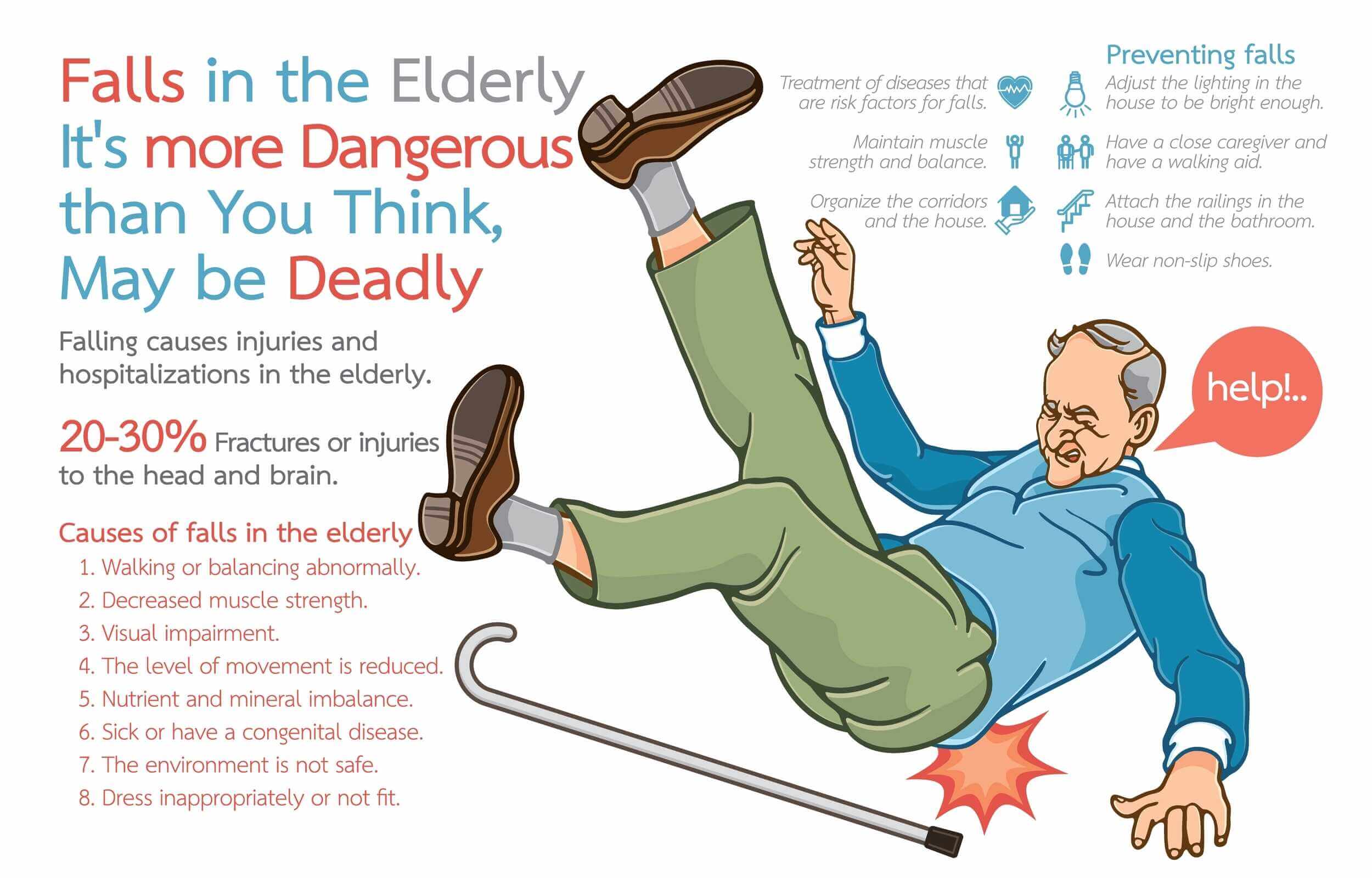
In Frederick, MD, families trust nursing homes to provide attentive care, protect residents from avoidable harm, and preserve their dignity as health needs become more complex. When unexplained injuries, poor hygiene, rapid weight loss, or emotional changes raise concerns, nursing home abuse law provides a path to investigate whether neglect played a role. Understanding how these legal claims are evaluated helps families recognize warning signs, protect vulnerable loved ones, and pursue accountability when a facility fails to meet its duty of care.
Neglect Often Hides in Plain Sight
Neglect usually develops from missed basics rather than from a single shocking event. A late meal, unchanged bedding, skipped turning, or unanswered call light may seem small in isolation. Over time, those lapses can produce dehydration, skin breakdown, infection, and emotional withdrawal. Lawyers help families see the clinical pattern, linking scattered incidents into a documented sequence that points to unsafe care rather than ordinary decline.
Why Early Legal Help Matters
Unexplained bruising, repeated falls, foul odors, or sudden confusion often raise concerns before a facility can offer clear answers. In that early stage, records, staffing notes, and medication logs can reveal whether required care was missed. Lawyers, including Jenner Law Firm, review those materials quickly so families can determine whether preventable neglect, rather than illness progression, caused the resident’s condition.
Lawyers Identify Signs Staff Ignored
Attorneys look for signs that caregivers failed basic duties. Common markers include untreated infections, poor oral care, unexplained use of restraints, missed medications, and prolonged exposure to urine or stool. Each finding carries weight because neglect cases often rest on repeated omissions. A careful review can show that a resident’s harm did not arise from age alone, but from ignored warning signs.
Records Can Reveal the Real Story
Charts often expose what memory softens or staff deny. Care plans may list turning schedules, fluid goals, fall precautions, or wound checks that were never consistently carried out. Progress notes can also show long gaps between symptoms and treatment. Lawyers compare those entries with the resident’s actual condition, looking for mismatches that suggest a home accepted duties on paper yet failed in practice.
Staffing Problems Frequently Drive Harm
Many neglect claims trace back to understaffing or poor instruction. Too few aides can delay toileting, feeding, repositioning, and supervised walking, all of which increase risk. Residents with weak balance, impaired swallowing, or limited sensation face even greater danger. Lawyers often examine schedules, overtime patterns, complaints, and turnover history to show that facility leadership knew that care demands exceeded the number of available hands.
Facility Rules Matter
Federal and state rules require nursing homes to prevent avoidable injuries and preserve resident dignity. Those standards cover hygiene, nutrition, supervision, access to treatment, and freedom from unnecessary restraint. A legal claim can connect those obligations to what occurred at the bedside. That link helps show neglect as a systems failure, rather than a single bad shift or one careless employee.
Witnesses Help Confirm What Records Miss
Files rarely capture every detail of daily life inside a unit. Roommates may hear cries for help. Visitors might notice unchanged linens, unlit lights, or meals left untouched. Former employees sometimes describe chronic short staffing or pressure to chart care that never occurred. Lawyers gather those observations to support timing, clarify conditions, and fill gaps where documentation appears vague or suspiciously polished.
Liability Often Extends Beyond One Caregiver
Blame does not always stop with the aide in the room. Supervisors, administrators, management companies, and owners may share responsibility if hiring practices, training failures, or staffing decisions created dangerous conditions. Leadership sets the care environment in which residents live every day. Lawyers trace that chain of control so that accountability reflects the full structure behind the neglect, rather than a single visible worker.
Damages Reflect More Than Medical Bills
Harm in these cases often reaches far beyond hospital charges. A neglected resident may need wound treatment, infection management, relocation, rehabilitation, counseling, or added personal assistance. Pain, humiliation, sleep disruption, and loss of independence also matter. If neglect contributes to death, relatives may pursue a wrongful death claim. Lawyers measure those losses carefully so the case reflects the resident’s full injury.
Negotiation and Trial Pressure Change Outcomes
Facilities and insurers respond differently when a claim is well prepared. Strong cases include medical records, photographs, staffing evidence, witness accounts, and expert review of care standards. That preparation increases pressure during settlement talks and protects families if the dispute reaches court. A home is less able to dismiss clear neglect when the evidence shows exactly how the resident was failed.
Legal Action Can Improve Daily Safety
A lawsuit seeks compensation, but it can also force scrutiny of daily routines that place residents at risk. Questions about call response times, turning schedules, hydration practices, and fall prevention may expose hazards affecting many people. Families gain access to facts that might stay hidden otherwise. In some situations, that pressure helps push a facility to correct dangerous habits before more residents suffer.
Conclusion
Nursing home abuse lawyers serve an important role when a resident’s health declines under suspicious or preventable conditions. They examine records, gather witness accounts, assess facility practices, and identify who allowed the neglect to continue. That work helps families seek answers, compensation, and safer care. It also reinforces a basic principle: older adults deserve attentive treatment, physical comfort, and dignity every single day.
Popular Products
-
 Gas Detector Meter
$311.56$155.78 -
 Foldable Garbage Picker Grabber Tool
$93.56$46.78 -
 Portable Unisex Travel Urinal
$49.56$24.78 -
 Reusable Keychain Pepper Spray – 20ml
$21.56$10.78 -
 Camping Survival Tool Set
$41.56$20.78