Marketing Strategies For Aging-in-place Homeowners
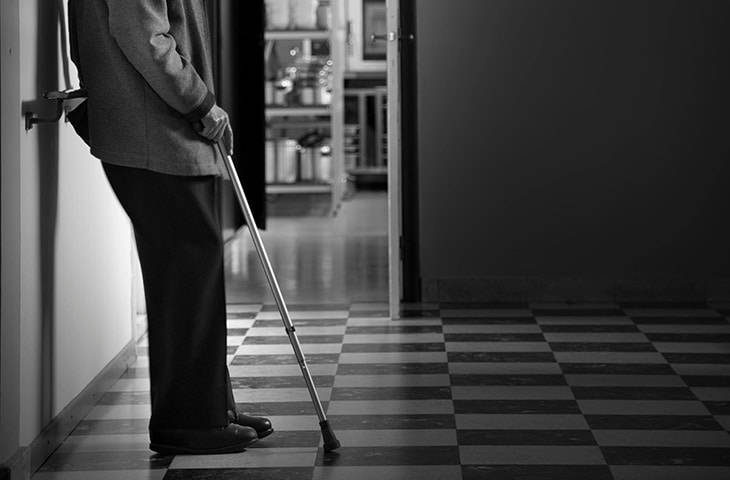
In this blog, we'll explore the marketing strategies that help home service businesses connect with this growing audience, build credibility, and create dedicated marketing funnels that turn thoughtful engagement into long-term growth.
{videolink}https://www.youtube.com/embed/HRbiriFSAto{/videolink}{loadads}
The aging-in-place market is one of the most overlooked growth opportunities in home services right now, and most marketing strategies haven't caught up to it. Millions of older homeowners are choosing to stay in their homes rather than move into assisted living, and that decision is fueling steady, often urgent demand for grab bars, walk-in tubs, stair lifts, widened doorways, ramps, smart home safety devices, and the contractors who install all of it. Yet a lot of home service businesses are still marketing to this audience with the same generic playbook they use for everyone else, and it shows in conversion rates that don't match the size of the opportunity.
Aging-in-place customers don't behave like typical home service leads. They research longer, involve more decision-makers, prioritize trust over speed, and respond to messaging that the rest of your marketing probably isn't built to deliver. Getting this right requires rethinking strategy from the ground up, not just adding a new service page.
Understanding This Audience Before You Market to Them
The first mistake most businesses make is assuming the homeowner is the only decision-maker. In reality, a significant share of aging-in-place projects involves an adult child or family caregiver who's researching, comparing, and sometimes paying on behalf of an aging parent. That means your messaging often needs to speak to two audiences at once: the homeowner who wants to maintain independence and dignity, and the adult child who's looking for safety, reliability, and peace of mind.
This audience also moves through a noticeably longer consideration window than a typical emergency repair customer. {loadads}A water heater failure gets a same-day call. A bathroom safety renovation might be researched for weeks or months, often triggered by a fall, a diagnosis, or a doctor's recommendation rather than sudden need. Your marketing has to be built for that longer runway, not just the fast-conversion model most home service campaigns are optimized for.
Building a Website and Funnel That Actually Fits This Buyer
Your site needs to address the emotional core, not just the technical specs. A grab bar installation page that lists materials and pricing without acknowledging the underlying concern, fear of falling, desire to stay independent, and family worries misses why the customer is actually there. Strong Home Services Website Development for this segment leads with empathy and outcomes ("stay safely in the home you love") before getting into product details.
Accessibility has to be more than a marketing claim; it has to be a website feature. Larger font options, high-contrast design, simple navigation, and clear calls to action aren't just nice touches for an older audience or for family members browsing on behalf of a parent; they directly affect whether visitors stay on the page long enough to convert. A beautifully designed site that's hard to read on a smaller screen or has tiny tap targets is quietly losing leads in this segment more than almost any other.
Landing pages need separate paths for separate buyers. Smart Home Services Landing Page Optimization for this audience often means building distinct pages: one speaking directly to the homeowner about independence and comfort, another speaking to the adult child about safety, reliability, and managing a project remotely. Testing which messaging converts better by traffic source (a homeowner searching "walk-in tub near me" versus an adult child searching "bathroom safety for elderly parent") consistently reveals very different conversion drivers.
Trust signals need to work harder than usual. Licensing, insurance, background-checked technicians, and clear before-and-after project galleries matter more here than almost any other home service category, because the work often happens in vulnerable moments and involves someone who may not be able to easily advocate for themselves during the project. Featuring this prominently, not buried on an About page, measurably improves conversion.
Channel Strategy for This Segment
Search remains essential, but the keywords look different. Beyond obvious terms like "walk-in tub installation," this audience and their adult children search phrases like "how to make a bathroom safer for elderly," "fall prevention home modifications," and "aging in place remodel ideas." Ranking for these informational, earlier-funnel searches captures the audience before they're ready to convert, building trust well ahead of the purchase decision.
Local partnerships extend reach in ways paid ads can't. Relationships with occupational therapists, physical therapists, home health agencies, and senior centers generate warm referrals that convert at a far higher rate than cold traffic, because the recommendation comes from a trusted third party already involved in the homeowner's care.
Content that educates outperforms content that sells. Guides on fall prevention, checklists for evaluating home safety, and explainer videos on what an aging-in-place assessment actually involves build the kind of trust this longer-consideration buyer needs before they'll pick up the phone. This is content marketing doing the job that a hard-sell ad simply can't with this audience.
Email nurture matters more here than in almost any other home services segment. Given the longer research window, a homeowner or family member who isn't ready to convert today might be ready in six weeks. A thoughtful nurture sequence, safety tips, financing information, and real project stories keep the business top of mind without being pushy, which matters enormously with a trust-sensitive audience.
Why This Deserves Its Own Strategy, Not a Bolt-On Campaign
A lot of businesses try to fold aging-in-place services into their existing general Home Services Marketing without adjusting the approach, and the results usually undersell the opportunity. This audience converts on different timelines, responds to different emotional triggers, and often involves a completely different decision-making structure than the rest of a typical service mix. Treating it as just another service line on the same generic landing page leaves real revenue on the table.
The home service businesses seeing real traction in this space are the ones building dedicated funnels: empathetic, accessible web experiences; landing pages segmented by who's actually searching; content that educates well before it sells; and follow-up that respects a longer, more considered buying journey. None of that requires reinventing your entire marketing operation; it requires recognizing that this customer deserves a strategy built around how they actually make decisions, not a generic template borrowed from your fastest-converting service line.
As the aging-in-place population continues to grow, the businesses that build this kind of dedicated, trust-first strategy now will have a meaningful head start over competitors still treating it as an afterthought.
{loadmtreelistings 77054}Popular Products
-
 Devil Horn Headband
$25.99$11.78 -
 WiFi Smart Video Doorbell Camera with...
$61.56$30.78 -
 Smart GPS Waterproof Mini Pet Tracker
$59.56$29.78 -
 Unisex Adjustable Back Posture Corrector
$71.56$35.78 -
 Smart Bluetooth Aroma Diffuser
$585.56$292.87