No Weights Required. Movement Expert Shares 3 Wall Exercises To Fight Against Age-related Muscle Loss And Reduce Fall Risk
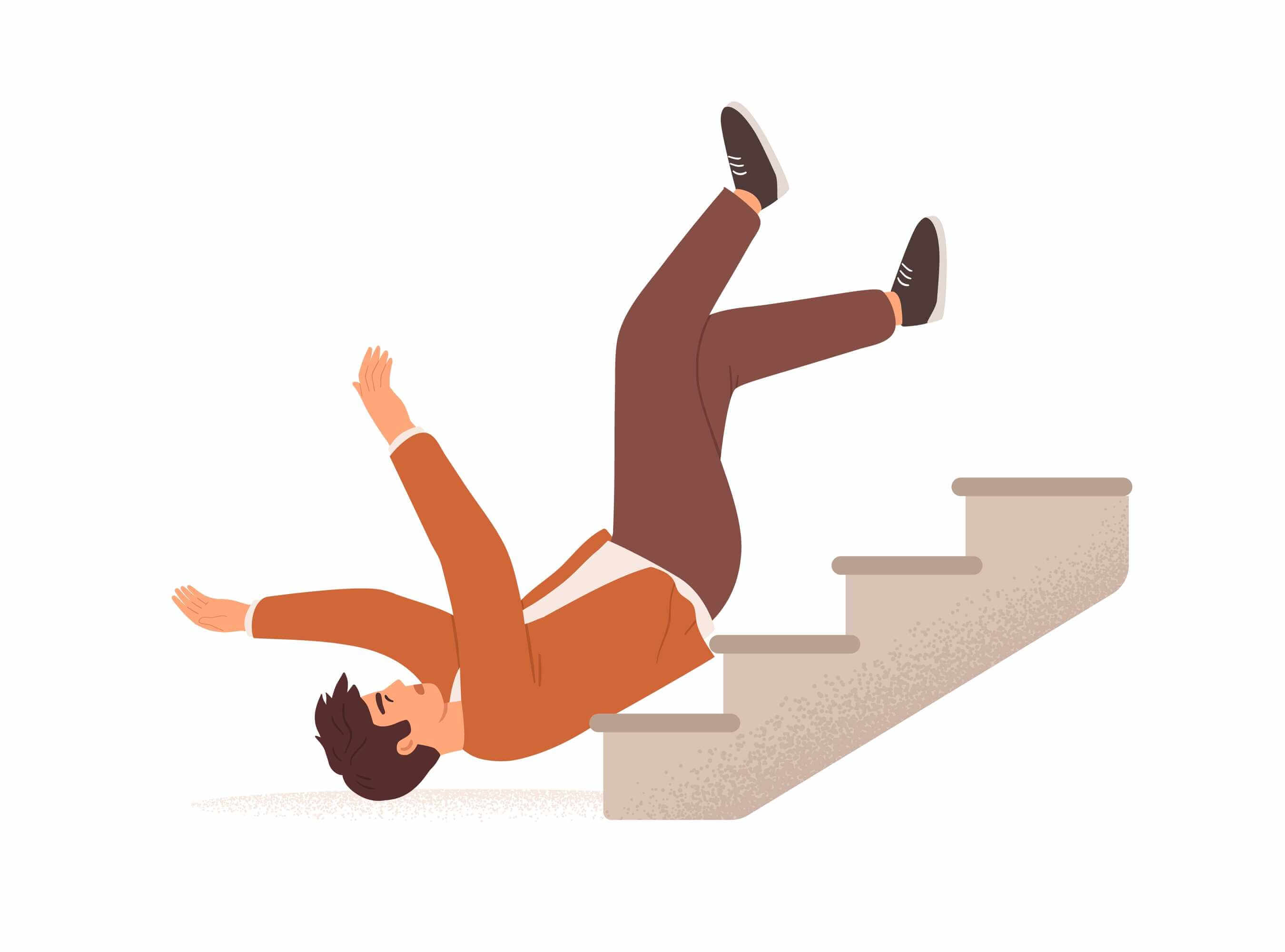
After turning 30, adults naturally begin losing 3 to 8 percent of their muscle mass every decade, with the rate of loss accelerating after 60. That’s exactly why regular exercise and resistance training are so important for aging well and reducing your risk of sarcopenia, or age-related muscle loss. Wall exercises specifically can be a useful tool because sarcopenia can disproportionately affect fast-twitch muscle fibers, which are responsible for power, speed, and helping you react when you stumble or lose your balance.
“For men over 55, the wall lets you load a muscle hard without needing a joint to handle an unstable range of motion,” says Jay Campbell, men’s physique champion, five-time international best-selling author, co-founder and chief strategy officer of BioLongevity Supplements. “Wall exercises build strength and control, with the stable surface letting you train in the danger zone and overcome the loss of those fibers. It also helps you avoid the joint stress of free-standing loaded movements and build strength without the risk of falling without a spotter.”
The below wall exercises will take you five minutes to complete and can be easily added to any routine, whether at home or the gym, a few times a week. Consistency helps build long-term lower-body strength, stability, and balance in a way that’s easier on the joints.
Related: Trainer Calls This Overlooked Exercise the Anti-Aging ‘Secret’ for Men Over 45
Wall Exercises to Prevent Sarcopenia
How to Do Wall Sits
If you’ve ever done wall sits, you know it’s a deceivingly tough exercise. Wall sits are all about isometric quad, glute, and core work, building the leg strength and mobility you rely on to get out of a chair or off the toilet unassisted. Clinical tests to diagnose low muscle strength in older adults analyze this exact motion.
- Stand with your back against a wall and feet about hip-width apart.
- Slide your back down the wall, bending your knees to about 90 degrees or as low as comfortable.
- Keep your knees stacked over your ankles and your back pressed against the wall.
- Hold the position, keeping your core engaged and breathing steadily.
How to Do a Wall-Assisted Single-Leg Stance
“The wall-assisted single-leg stance trains stabilizer muscles around the hip and ankle that keep you upright. Sarcopenia takes power and balance first, and repeating this exercise will help combat that decline,” Campbell says.
- Stand next to a wall with your feet hip-width apart and lightly place one hand on it for support.
- Shift your weight onto one leg and slowly lift your opposite foot off the floor.
- Keep your standing knee slightly bent and your hips level.
- Hold for the desired amount of time, then repeat on opposite leg.
How to Do Wall-Supported Reverse Lunges
This helps build single-leg strength and the strength to get off the ground unassisted, which can be especially important if you do fall.
- Stand facing a wall, holding onto it for balance.
- Step one foot backward and lower your back knee toward the floor, keeping your front foot planted.
- Drive through your front foot to return to the starting position.
- Complete your reps, then repeat on the opposite leg.
Experts
- Jay Campbell, men’s physique champion, five-time international best-selling author, co-founder and chief strategy officer of BioLongevity Supplements
Sources
- Sarcopenia, Cleveland Clinic
Popular Products
-
 Smart GPS Waterproof Mini Pet Tracker
$59.56$29.78 -
 Unisex Adjustable Back Posture Corrector
$71.56$35.78 -
 Smart Bluetooth Aroma Diffuser
$585.56$292.87 -
 Enamel Heart Pendant Necklace
$49.56$24.78 -
 Digital Electronic Smart Door Lock wi...
$211.78$105.89