Physical Therapy For People Who Avoid Exercise But Need To Stay Mobile
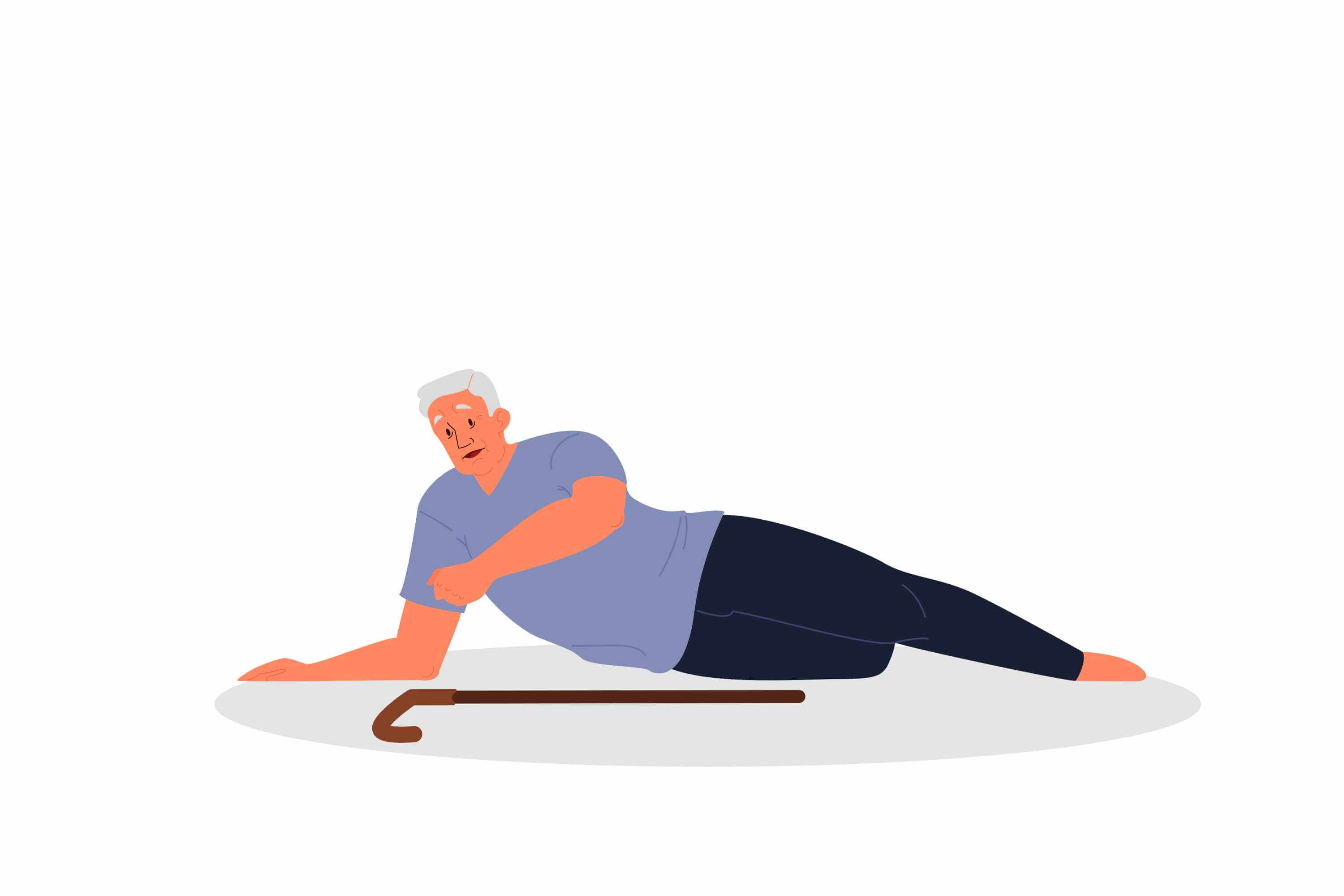
Many adults avoid exercise even when they know movement is important. Pain, fatigue, fear of falling, and past injuries often lead to long periods of sitting. Over time, this reduces physical function, weakens muscles, and limits the ability to move during daily tasks. Simple actions like getting out of a chair, carrying groceries, or walking short distances can become difficult. People with chronic conditions often feel trapped between needing activity and fearing that movement will increase symptoms such as back pain or joint stiffness.
At Advanced Physical Therapy, mobility care is designed for individuals who do not enjoy traditional workouts. The focus is safe, guided motion that fits real life. Each treatment plan is based on tolerance, medical history, and daily goals so patients can improve mobility without feeling pushed into intense routines.
How a Physical Therapist Supports Low-Activity Patients
A physical therapist evaluates posture, balance, strength, and joint motion before starting care. They diagnose movement limits and develop a treatment plan that uses small, controlled tasks. This approach is different from general fitness programs because it is medical and individualized.
A PT may begin with bed mobility, supported standing, or short walking intervals. These activities rebuild confidence and reduce fear. Many physical therapists work in outpatient clinics where sessions are structured and closely monitored. The goal is to restore physical function and fitness while keeping pain levels stable.
Additional support for low-activity patients may include:
- Monitoring fatigue levels, breathing patterns, and heart rate response during movement to prevent overexertion.
- Teaching proper body mechanics, pacing strategies, and how to incorporate rest breaks before pain escalates.
- Recommending home environment adjustments such as chair height changes, grab bars, or safer walking paths to reduce strain.
- Starting balance drills on stable surfaces and gradually progressing to more challenging tasks to build confidence and reduce fall risk.
- Providing education on how small, controlled movements contribute to overall mobility, showing patients that improvement doesn’t require traditional exercise.
- Using assistive devices when necessary, such as walkers or canes, while guiding gradual weaning as strength and balance improve.
This structured, individualized approach helps patients regain mobility safely, improve confidence, and maintain independence without feeling forced into conventional exercise routines.
Benefits of Physical Therapy Without Traditional Exercise
The benefits of physical therapy include improved circulation, joint protection, and better posture without requiring gym-style workouts. Physical therapy includes gentle stretching, balance drills, and movement training that match daily routines.
Pain control methods help patients participate safely. Heat therapy relaxes tight muscles, while cold therapy reduces inflammation. Ultrasound as a tool can support tissue healing. Hands-on manual therapy improves joint motion so patients can move with less discomfort. These methods help manage pain and reduce pain and stiffness that prevent activity.
Physical Therapy Options for Different Needs
There is more than one type of physical therapy, and programs are adjusted for comfort level. Orthopedic physical therapy focuses on joints and posture. Geriatric care addresses balance and fall prevention. Cardiovascular and pulmonary programs help patients rebuild endurance after illness or heart attacks. In nursing homes, mobility training supports safe transfers and walking.
Each specialty area uses simple tasks that match real life. Physical therapists specialize in matching treatment intensity to patient tolerance, which is important for those who avoid exercise.
Combining Physical Therapy and Occupational Therapy
Physical therapy and occupational therapy often work together to improve independence. While mobility training focuses on standing, walking, and transfers, occupational therapy addresses dressing, bathing, and cooking.
This combined approach helps patients return to normal routines. Occupational strategies also teach energy conservation so people with low endurance can complete tasks without fatigue.
What to Expect During a Physical Therapy Session
A typical physical therapy session begins with movement checks and symptom review. Physical therapists use posture correction, breathing drills, and light strengthening that does not overload joints. They study biomechanics to correct harmful patterns that increase pain.
Progress is measured by time and tolerance rather than repetitions. This reduces pressure and improves adherence for patients who dislike exercise. Over time, small increases in activity restore mobility and confidence.
Education and Training of Physical Therapists
A clinician with a doctor of physical therapy degree has completed an accredited DPT program after a bachelor’s degree. Training standards are set by the Commission on Accreditation in Physical Therapy, also referred to as the Commission on Accreditation in Physical Therapy. Professional guidance comes from the American Physical Therapy Association..
Many therapists earn certification through the American Board of Physical Therapy and the recognized board of physical therapy specialties. This advanced physical therapist education ensures that physical therapists are licensed and follow evidence-based practice.
According to the Bureau of Labor Statistics and the Occupational Outlook Handbook, the demand for physical therapy continues to grow, reflecting the increasing need for mobility care among aging adults and those with long-term conditions.
How Physical Therapy Teams Work
A physical therapist in the U.S. often works with physical therapist assistants and aides. These health care professionals guide exercises, monitor safety, and support progress. A physiotherapist must document outcomes and adjust care as needed.
Students in physical therapy programs complete clinical training before licensure. Those who want to become physical therapist must meet academic and clinical requirements. Physical therapists may work in clinics, hospitals, schools, or community programs. Physical therapists also educate patients about safe movement and prevention.
Who Benefits Most from Guided Physical Therapy
Many people who need physical therapy avoid activity because they associate movement with pain. Individuals recovering from injury or surgery, those with arthritis, and people with low endurance benefit from guided care. A physical therapist can help restore confidence through gradual motion.
Programs are available for people of all ages, including pediatric physical therapy for children and mobility training for older adults. Care plans focus on real tasks like walking to the mailbox, climbing steps, or standing long enough to cook.
Maintaining Safe and Independent Movement
Even for those who dislike workouts, safe motion supports active lifestyles. Short, consistent activity prevents decline and improves independence. This approach can relieve pain, improve circulation, and support joint health.
Because physical therapy focuses on controlled movement, it can help patients avoid surgery and prescription drugs in some cases. Treatment is a form of physical therapy practice that emphasizes safety and gradual progress rather than intensity. It is also a form of physical demand that is adjusted to each person’s tolerance. With consistent guided motion, patients achieve measurable gains in balance, endurance, and daily mobility.
At Advanced Physical Therapy, therapists understand that not everyone enjoys exercise. Programs are built around comfort, safety, and real-life tasks. With guided care, patients can move better, maintain independence, and improve daily mobility without the pressure of traditional workouts.
Popular Products
-
 Classic Oversized Teddy Bear
$23.78 -
 Gem's Ballet Natural Garnet Gemstone ...
$171.56$85.78 -
 Butt Lifting Body Shaper Shorts
$95.56$47.78 -
 Slimming Waist Trainer & Thigh Trimmer
$67.56$33.78 -
 Realistic Fake Poop Prank Toys
$99.56$49.78